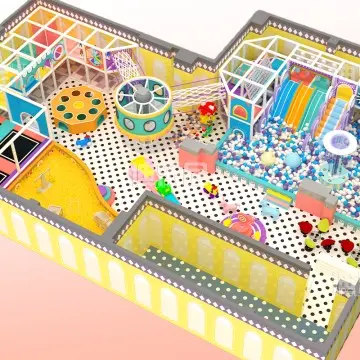
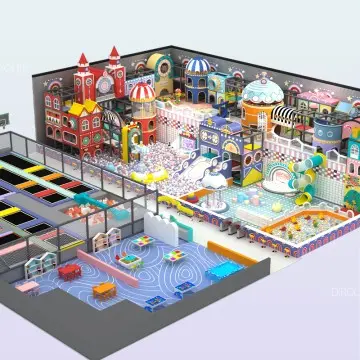
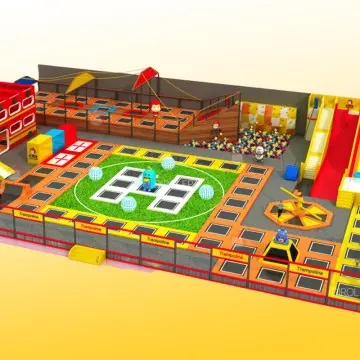
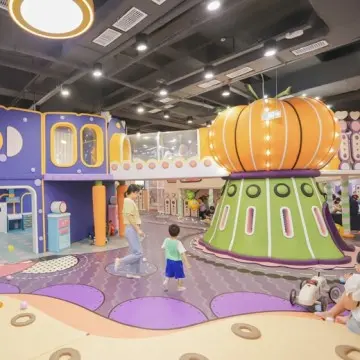
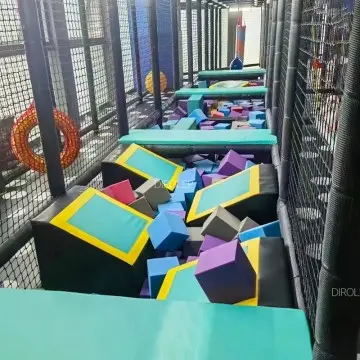
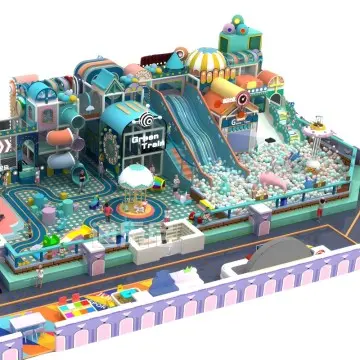
Specialized medical-grade indoor playground modules designed for hospital outpatient wards, developmental clinics, and pediatric triage waiting lobbies.
Bridging healthcare architecture, clinical psychology, and advanced manufacturing to replace pre-appointment fear with curiosity, discovery, and active well-being.
Historically, the outpatient reception of a pediatric hospital or ambulatory care clinic was characterized by rows of cold vinyl seating, flickering fluorescent bulbs, and ambient clinical tension. Today, a profound therapeutic paradigm shift is transforming modern healthcare facility design: the integration of custom-engineered Adventure Playgrounds for Pediatric Hospital and Clinic Waiting Area Play Zones. As healthcare providers universally recognize the physiological and neurological impact of patient anxiety, play spaces are no longer treated as decorative afterthoughts. Instead, they operate as mission-critical, trauma-informed physical interventions designed to de-escalate stress, shorten perceived waiting times, and establish positive emotional touchpoints for children undergoing diagnostic evaluations, chronic care, or routine examinations.
From a commercial and industrial perspective, the global market for healthcare-integrated therapeutic play architecture is experiencing unprecedented growth. Modern medical centers, specialized pediatric dentistry practices, ophthalmology clinics, pediatric physical therapy rehabilitation wings, and regional women-and-children hospitals are reallocating prime floor area into experiential adventure corridors. Global healthcare accreditation systems such as JCI (Joint Commission International) and WELL Building Standards emphasize holistic patient experience (PX) metrics, infection mitigation, and family-centered care. Hospital boards increasingly analyze experiential ROI: empirical data confirms that children who engage in active, tactile, or visually stimulating adventure play prior to physician consultations exhibit lower heart rates, reduced salivary cortisol, enhanced cooperation during physical exams, and minimized need for pharmacological sedation in low-level diagnostic imaging.
Multi-sensory climbing tunnels, tactile manipulation gearboards, and soft-sculpture balance mazes interrupt sympathetic nervous panic and redirect attention toward kinesthetic problem solving.
Seamless, non-porous polyvinyl fabrics infused with silver-ion antimicrobial coatings resist pathogenic colonization, hospital-grade bleach disinfectants, and heavy daily sanitation cycles.
Wheelchair-accessible transfer stations, low-gravity sensory pods, and acoustic dampening zones engineered for neurodiverse children and those with mobility limitations.
Strategic spatial adaptations tailored to specific medical departments, patient vulnerabilities, and clinical circulation workflows.
Emergency departments are sensory overload environments filled with alarms, high foot traffic, and distressed caregivers. In pediatric ED sub-waiting zones, adventure playgrounds are engineered with low-decibel, high-containment soft play components. Featuring subterranean crawl tubes, viewing bubbles, and impact-absorbent climbing ramps, these structures give waiting siblings and stabilized pediatric patients a safe haven. The spatial envelope is constructed with 360-degree visibility sightlines, allowing triage nurses and parents to monitor children continuously without intrusive physical barriers.
Specialist clinic visits frequently involve anticipatory needle phobia or discomfort associated with dental chairs and diagnostic apparatus. Modular adventure play units designed for specialist waiting lobbies incorporate tactile discovery walls, vertical labyrinth climbs, and fine-motor coordination puzzles. By occupying the child’s vestibular and proprioceptive systems, neuromuscular tension eases. Pediatric dental chains and eye clinics report dramatic drops in appointment cancellations and shortened consultation lead-times when children arrive at the exam room in an energized, playful state of mind.
For immunocompromised patients and their siblings enduring prolonged infusion schedules, environmental purity is paramount. Here, play structures must meet rigorous sterile maintenance requirements. Dileni deploys seamless ultrasonic-welded seams, eliminating stitch holes where dust mites and microbial biofilms typically flourish. Macaroon and Morandi pastel tones replace overstimulating garish colors, delivering a biophilic, spa-like calming ambience that comforts immunocompromised pediatric patients during exhaustive treatment days.
In developmental medicine and orthopedic rehabilitation centers, the waiting playground functions as an informal pre-assessment laboratory. Occupational therapists observe the child’s spontaneous gross motor gait, balancing reflexes, and hand-eye coordination as they navigate stepped foam blocks, soft bridges, and incline ramps. This seamless boundary between clinical observation and recreational adventure removes the stigma of evaluation, producing organic clinical insights before structured clinical therapy even begins.
Examining how cutting-edge digital intelligence and automated monitoring are reshaping the next generation of medical play environments.
As healthcare infrastructure embraces digital transformation, the pediatric clinic adventure playground is merging with Internet-of-Things (IoT) sensors, adaptive projection mapping, and AI-driven environmental telemetry. This evolution ensures that physical play remains physically restorative while satisfying stringent biomedical oversight:
Traditional tactile game pieces require continuous chemical wipedowns. Next-generation hospital play spaces are rapidly adopting touchless lidar sensors and ceiling-mounted laser projection units. These systems project interactive virtual ponds, therapeutic nature scenes, and motion-reactive puzzles onto antimicrobial safety floors and padded vertical surfaces. Children stomp on virtual leaves or swat floating digital stars without touching a single physical controller. Advanced AI algorithms adjust the visual tempo and auditory tones based on ambient clinic noise levels—calming children down when the waiting lobby becomes frantic.
Infection control remains the foundational pillar of hospital facility management. Leading healthcare adventure play structures now incorporate embedded infrared capacity counters that communicate directly with hospital facility management software. Once a predetermined number of play sessions or cumulative hours is reached, the play zone automatically triggers a notification to environmental hygiene staff. Furthermore, enclosed crawling tubes can be fitted with automated, shielded ceiling UV-C germicidal irradiation lamps that activate only during overnight hours when integrated motion sensors detect zero human occupancy.
Moving away from high-saturation primary red and yellow hues that induce neurological over-excitation, pediatric healthcare architects increasingly mandate evidence-based "neuroaesthetic" finishes. Gentle Morandi shades, forest greens, muted sky blues, and organic wood-grain textures harmonize with hospital biophilic interior aesthetics. These balanced palettes promote parasympathetic nervous stabilization, encouraging deep rhythmic breathing, lowering muscular tension, and creating a cohesive spatial extension of modern wellness architecture.

| Evaluation Parameter | Standard Commercial Mall Playground | Dileni Medical-Grade Pediatric Waiting Playground |
|---|---|---|
| Primary Surface Material | Standard commercial PVC leather (0.45mm) | Heavy-duty medical polyvinyl (0.85mm) with silver-ion antimicrobial coating |
| Internal Padding Material | Recycled polyurethane foam (20–25 kg/m³) | Virgin high-resilience fire-retardant sponge (>45 kg/m³), zero off-gassing |
| Chemical & Disinfection Resistance | Mild detergent wipe only | Resistant to 1:10 sodium hypochlorite bleach, quaternary ammonium & alcohol wipes |
| Seam Construction Method | Standard cotton/nylon machine stitching | High-frequency ultrasonic hermetic welding + reinforced double-edge sealing |
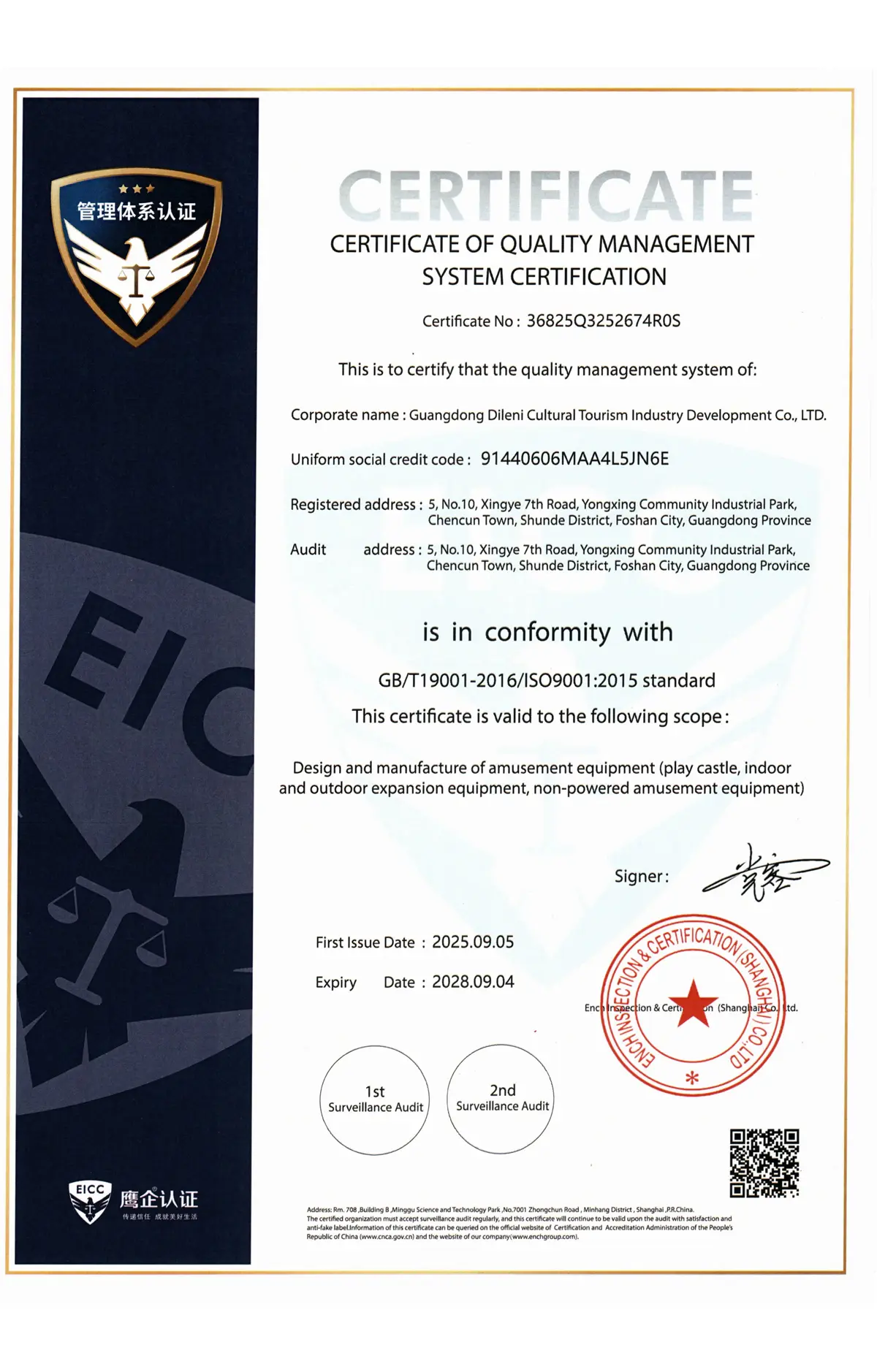
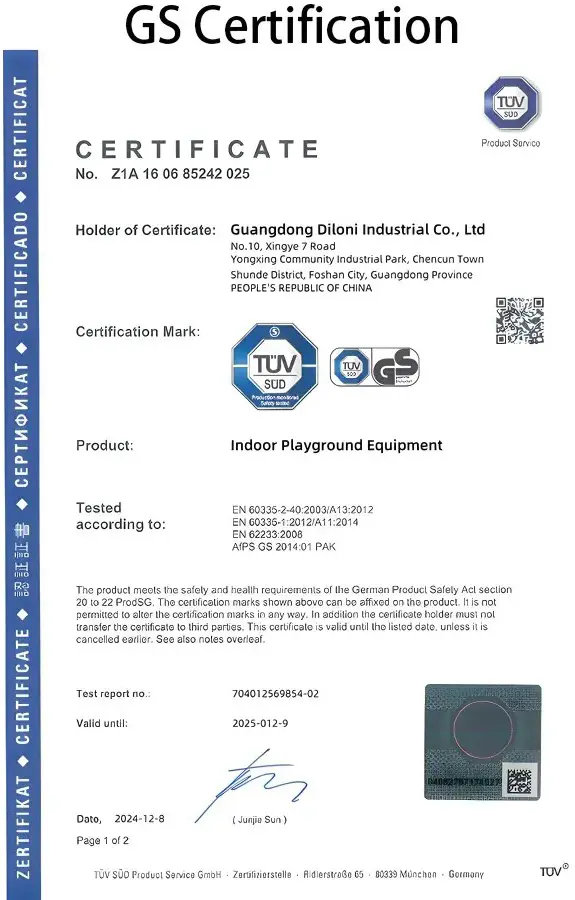
| Safety & Toxicity Approvals | Basic regional toy safety directives | TÜV Rheinland certified, EN 1176, ASTM F1918, ISO 9001, RoHS & REACH compliant |
| Acoustic Attenuation Design | Unrated; high reverberant noise profile | Integrated acoustic absorption cores reducing lobby reverberation by up to 40% |
Over two decades of precision manufacturing, global project execution, and specialized safety craftsmanship.
Dileni is a children's playground company located in Guangdong Province, China, with more than 20 years of experience in the industry. The company has a production base of more than 18,000 square meters, equipped with advanced production equipment and technology, and a group of excellent technicians and managers. Dileni has a wide range of products, including large and small indoor children's playground equipment, outdoor non-powered playground equipment, water parks, children's video game equipment and early education products and many other series.
Indoor Children's Playgrounds: Our indoor children's playgrounds are vibrant, safe and designed to inspire creativity and physical activity. These playgrounds are perfect for malls, family entertainment centers, schools and other indoor locations. Each playground is a wonderland of colorful slides, climbing walls, ball pools and interactive game boards that encourage children to explore, learn and play. We use high quality, non-toxic materials to ensure the safety and health of every child. Our designs are customizable to fit any space and theme, making each indoor playground a unique and magical experience.
Electronic Game Equipment: In the digital age, electronic game equipment has become an integral part of children's entertainment. We offer a wide range of electronic gaming devices that combine cutting-edge technology with engaging content. Our products include arcades, interactive consoles and virtual reality devices, all designed to provide an immersive and educational experience. Our electronic gaming devices are suitable for use in arcades, family entertainment centers and even at home. We ensure that our games are age-appropriate, educational and promote positive values, making them a great addition to any gaming environment.
Dileni can provide personalized solutions with special design and production according to the actual needs of our customers. The company promises reasonable price, short production cycle, quality assurance and thoughtful service, providing customers with one-stop services such as planning and design, delivery, installation and maintenance. Dileni product design focuses on combining with children's actual entertainment, and at the same time pay attention to children's psychological needs, the material is green and environmentally friendly, no toxic side effects detected by the National Testing Center. Dileni products are exported to more than 100 countries and regions around the world, showing strong international competitiveness.
China Guangdong Dileni Industrial Company won the China Amusement Equipment Industry Outstanding Enterprise Certificate, China Amusement Industry National Key Recommended Brand Certificate, won the China Central Television CCTV Discover China Program on the list of brands, China High-tech Enterprise Certificate, China Key Integrity Enterprise Certificate and so on.
Engineered for high-traffic healthcare environments, family entertainment centers, and pediatric clinical waiting zones worldwide.
Dileni provides custom architectural layout planning, 3D CAD modeling, clinical safety compliance consulting, worldwide shipping, and on-site certified installation for pediatric hospitals, diagnostic centers, and specialist medical clinics globally.