2026 Top Garden Playing Equipment for Kids What to Choose?
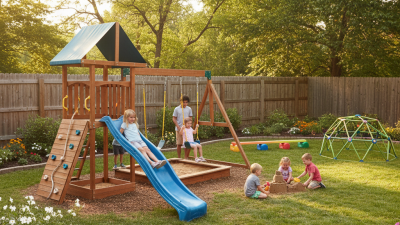
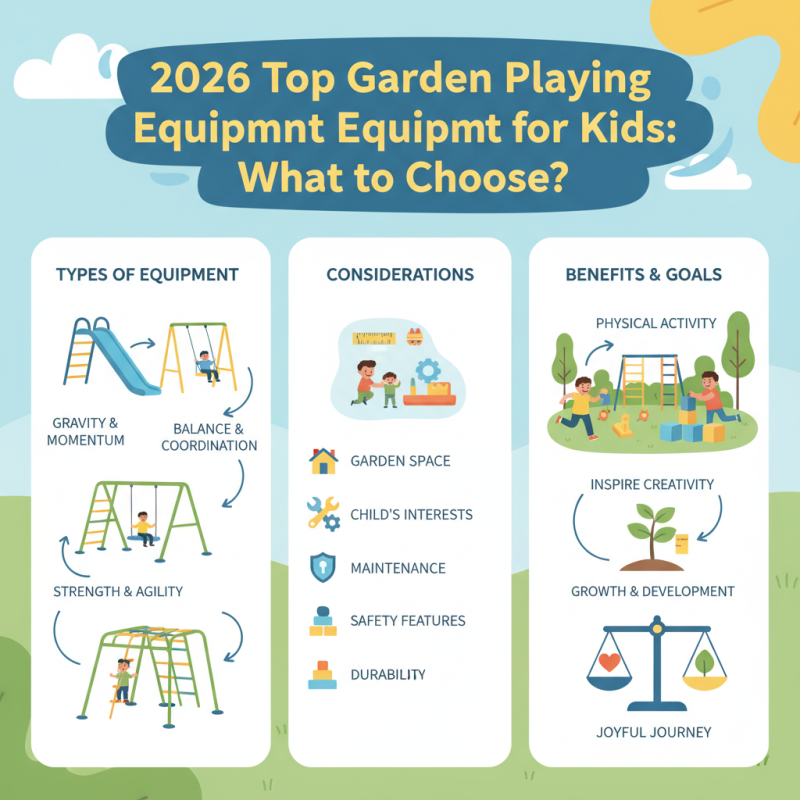
In the quest for the best Garden Playing Equipment for kids in 2026, choices abound. Parents are often overwhelmed by options. There are slides, swings, and climbing frames that promise fun and engagement. Each type offers unique benefits. Slides teach kids about gravity and momentum, while swings develop balance.
However, selecting the right equipment can be challenging. Consider your garden space and your child's interests. Large slides may not fit in a small yard. Additionally, some equipment may require more maintenance than anticipated. Durability matters, as kids can be rough on their toys. It’s crucial to think about safety features too.
Ultimately, the goal is to create a space where children can play freely. Garden Playing Equipment should inspire creativity and encourage physical activity. It's not just about play; it’s about growth. Reflect on your options, and make sure to choose wisely. Finding the right balance can be a joyful but imperfect journey.
Top Trends in Garden Playing Equipment for Kids in 2026
As we look ahead to 2026, garden playing equipment for kids is evolving. Parents are prioritizing outdoor play that emphasizes creativity and imagination. Natural materials are gaining popularity, with wooden structures and organic shapes becoming a common sight in backyards. These designs not only blend with the environment but also inspire children to connect with nature.
Trends indicate a rise in multifunctional equipment. Swings with climbing walls and slides that double as sandboxes are becoming favorites. These versatile items maximize space and keep kids engaged for hours. Minimalism is also in vogue; simple, open-ended toys allow children to create their own adventures.
However, safety remains a key concern. Manufacturers face the challenge of balancing fun with security. Parents must regularly inspect equipment for wear and tear. There is also a need for more inclusive designs that cater to children with different needs. Assessing whether equipment meets these standards is essential for providing a safe play environment. Reflecting on these aspects can lead to more thoughtful choices in garden play.
Criteria for Selecting Safe and Durable Garden Equipment
When selecting garden playing equipment for kids, safety is paramount. Look for products with rounded edges that reduce the risk of injury. Check the weight limits to ensure the equipment can handle your child’s size. Also, consider the materials used. Non-toxic and weather-resistant materials will withstand the elements. Inspect for rust or sharp parts that could harm little hands.
Durability is just as important. Equipment that can endure frequent use often becomes a favorite. Parents should look at warranties or guarantees. These offer peace of mind. Review the product's construction; sturdy frames can prevent accidents. However, sometimes equipment may look good on the surface but has hidden flaws. Pay attention to customer feedback to spot any recurring issues.
Finally, consider the space available in your garden. Measure the area before purchasing to ensure a good fit. Overcrowded spaces can lead to safety hazards. Be mindful of natural features like trees or fences; they could pose risks during play. Regularly inspect the equipment for wear and tear. Small cracks or loose parts can escalate into bigger problems if neglected.
Popular Types of Garden Play Equipment for Various Age Groups
When choosing garden play equipment for kids, consider their age and preferences. Toddlers often enjoy smaller slide sets and sandbox areas. These items encourage sensory play and help develop motor skills. They provide a safe environment for little ones to explore.
For preschoolers, options like climbing frames and swings are fantastic. These promote physical activity and social interaction. Children can challenge themselves with climbing while also learning to share and take turns. Active play builds confidence and strength.
Tips: Always check safety ratings. Look for equipment with rounded edges. This minimizes injuries. Also, consider the space you have. Compact designs can fit into smaller gardens without overwhelming the area. Keep your child’s interests in mind. Sometimes, they may prefer a simple playhouse over complex structures. Reflect on what makes your child happiest.
2026 Top Garden Playing Equipment for Kids
This chart illustrates the popularity of different types of garden play equipment for various age groups in 2026. The data reflects preferences among children aged 2-5, 6-8, and 9-12 years old.
Innovative Features to Look for in 2026 Garden Play Equipment
When choosing garden play equipment for kids in 2026, focus on innovative features. Safety is a priority. Look for materials that are non-toxic and durable. Equipment should withstand rough play and the elements. Soft edges and sturdy construction can prevent injuries.
Consider multifunctional equipment. Kids love variety. A slide that turns into a climbing wall creates options. Look for swings that can be adjusted as children grow. This versatility keeps play exciting and challenges them. Adding interactive elements can also engage young minds. Features like musical panels or sensory paths spark creativity.
Here are some tips. Check for age-appropriate designs. Some equipment may look fun but isn't safe for younger children. Also, think about space. A large slide might seem appealing but might not fit well in a smaller garden. Lastly, be open to DIY projects. Sometimes, simple ideas can lead to unique play experiences. Embrace the process of creating play spaces. It can be a fun adventure for you and your kids.
2026 Top Garden Playing Equipment for Kids - Innovative Features to Look for
| Equipment Type |
Age Range |
Material |
Safety Features |
Innovative Features |
| Swing Set |
2-12 years |
Wood |
Non-slip grips and safety harnesses |
Adjustable heights and multi-use attachments |
| Climbing Frame |
3-10 years |
Metal |
Rounded edges and climbing nets |
Integrated slide and modular design |
| Playhouse |
2-8 years |
Plastic |
Child-safe locks and ventilation windows |
Interactive panels and solar-powered lights |
| Trampoline |
5-15 years |
Fabric and steel |
Safety net and padded edges |
Enhanced bounce technology and LED lights |
| Sandpit |
1-6 years |
Wood or plastic |
Secluded design with coverings |
Convertible into a water play area |
Maintaining and Caring for Garden Play Equipment: Best Practices
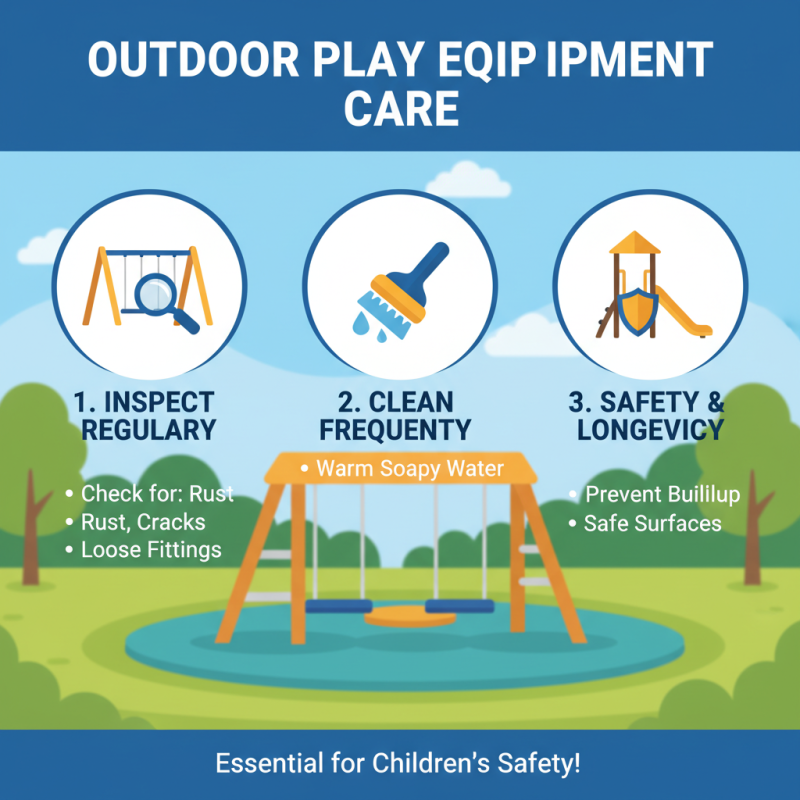
Maintaining and caring for outdoor play equipment is essential for safety and longevity. Regular inspections are necessary. Look for signs of wear and tear. Rust, cracks, and loose fittings can be hazardous for children. Clean the equipment frequently using warm soapy water. This simple act prevents buildup and keeps surfaces safe.
Check the ground beneath swings and slides. Soft surfaces like mulch or rubber mats can minimize falls. Replace any damage quickly. It’s also vital to ensure the equipment is age-appropriate. Kids can grow quickly, and what was safe last year may not be this year.
Parents should involve their children in care routines. Teach them to report issues they see. Encourage them to respect the equipment. Remember, even the best equipment needs love and attention. Create a checklist for maintenance tasks to keep things organized. Consider seasonal maintenance, too. Snow and rain can impact outdoor play areas. Always strive for a safe, inviting playground.


 CONTACT NUMBER
 CONTACT NUMBER
 CONTACT NUMBER