2026 Best Climbing Playground Designs for Kids and Families?
The world of outdoor play is evolving, particularly in climbing playground designs. In 2026, the best climbing playgrounds will inspire creativity and challenge for children and families. Expert architect Sarah Thompson, known for her innovative playground designs, emphasizes, "A climbing playground should ignite a child's imagination while ensuring safety."
The right climbing playground blends excitement with sturdy, safe materials. From rope courses to rock walls, creativity should shine through. However, not all designs maximize play potential. Some may lack diverse challenges that engage various skill levels. A successful climbing playground must address these gaps effectively.
Climbing playgrounds engage children physically and mentally. They build confidence and social skills as kids conquer fears and navigate obstacles. As we look ahead, developers should reflect on past designs. What worked? What didn’t? Each new playground should aim to offer unique experiences while prioritizing safety and inclusivity.
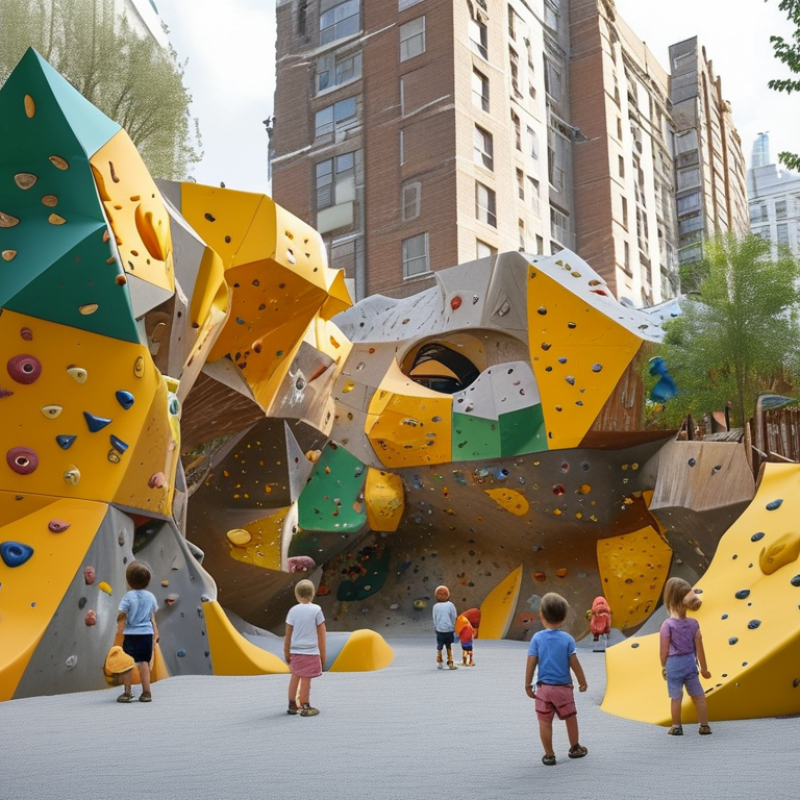
Innovative Features of Modern Climbing Playgrounds for Children
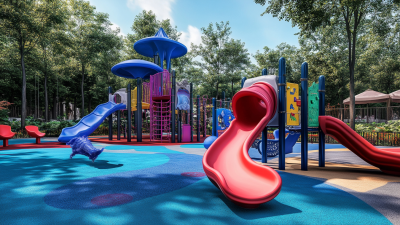
Modern climbing playgrounds are evolving to meet the diverse needs of children and families.
These innovative designs promote physical fitness and social interaction.
According to a report by the American Academy of Pediatrics, children require at least
60 minutes of active play every day.
Climbing structures play a crucial role in achieving this goal, encouraging kids to explore and take risks
in a controlled environment.
Many contemporary playgrounds incorporate features like adaptive climbing walls
and sensory elements. Adaptive designs ensure children of all abilities can participate. Research indicates
that sensory-rich environments enhance cognitive development. The bright colors and varied textures stimulate
curiosity, allowing children to engage more fully with their surroundings. Some structures even include
climbing challenges that promote problem-solving skills and teamwork.
While these advancements are promising, not all playgrounds effectively address safety concerns. Some designs
lack proper cushioning beneath climbing areas, increasing the risk of injury. Parents often express concerns
about maintenance and accessibility. Regular inspections and community involvement are crucial to ensure
playgrounds remain safe and inviting. Therefore, validation through professional guidelines and community
feedback is essential for the success of these innovative playgrounds.
Safety Standards and Regulations for Kids' Climbing Structures
When designing climbing structures for kids, safety should be the top priority. Reports show that about 23,000 children visit emergency rooms each year due to playground injuries. Specifically, climbing equipment accounts for a large portion of these incidents. Proper adherence to safety standards is essential.
The American Society for Testing and Materials (ASTM) outlines crucial safety considerations. For instance, fall zones must be adequately cushioned to reduce injury risk. Soft materials, like mulch or rubber mats, should extend at least six feet beyond the equipment's boundaries. It’s worth noting that many playgrounds overlook this requirement.
Regular inspections and maintenance are also vital. A 2021 National Playground Safety Institute report highlighted that nearly 70% of playgrounds fail to meet safety standards during routine checks. This raises significant concerns. Climbing structures should be inspected frequently to avoid hazards, like loose parts or structural weaknesses. Involving families in these safety conversations can create a shared responsibility toward playground safety.
2026 Best Climbing Playground Designs for Kids and Families
| Design Name |
Age Range (Years) |
Materials Used |
Safety Features |
Compliance Standards |
| Adventure Tower |
5-12 |
Wood, Steel |
Anti-slip surfaces, Rounded edges |
ASTM F1487 |
| Climbing Wall Adventure |
8-15 |
Fiberglass, Climbing Holds |
Safety matting, Harness system |
CPSC, EN 1176 |
| Forest Maze |
3-8 |
Recycled Plastic, Wood |
Non-toxic finishes, Barrier walls |
ISO 8124 |
| Climb & Slide Combo |
4-10 |
Metal, Plastic |
Safety rails, Shock-absorbent flooring |
ASTM F1292 |
| Nature Climb |
6-12 |
Natural Boulders, Synthetic Grip |
Fall zone safety, Visual supervision |
EN 1176-1 |
Designing Inclusive Climbing Playgrounds for All Abilities
Creating inclusive climbing playgrounds is vital for community engagement. These spaces should cater to children of all abilities. Consider using various textures and materials in the design. Incorporating soft surfaces can assist those who may fall while climbing.
Spiral paths and gentle inclines can provide access for children with mobility challenges.
Playgrounds must stimulate imagination and physical activity. Designs should allow for interactive elements, like ropes or nets. These should be adaptable to suit different skill levels. Visual and auditory cues can enhance the experience. Take inspiration from nature with naturalistic climbing features.
Feedback from parents and educators is crucial. Community input ensures the playground meets diverse needs. Regular assessments can identify areas for improvement. A flexible design approach allows for future adjustments. Such steps can enhance engagement and inclusivity in playgrounds over time.
Top Materials Used in 2026's Best Climbing Playground Designs
When exploring the top materials for climbing playground designs in 2026, a few trends stand out. Natural wood remains a favorite for its aesthetic appeal and durability. It blends seamlessly with outdoor environments, creating a warm, inviting space for children to explore. However, regular maintenance is essential as it can splinter or rot over time.
Another popular choice is recycled plastic. Its vibrant colors and resistance to weather elements make it attractive. This material is also eco-friendly, which resonates with many modern families. Yet, the perception of plastic durability can vary, and some users question its longevity.
Metal frames are increasingly utilized for their strength and stability. They can support intricate climbing structures while ensuring safety. Steel can withstand heavy use, but it can become hot in direct sunlight and might require extra padding. Balancing aesthetics, safety, and usability can be a challenge, but these materials are paving the way for innovative playground designs in 2026.
Inspiration from Nature: Biophilic Design in Climbing Playgrounds
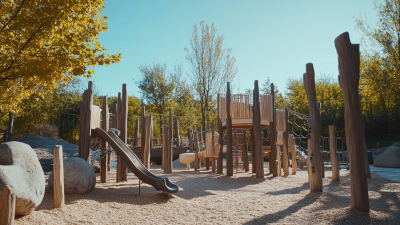
Biophilic design creates a natural connection in climbing playgrounds. Children explore textures, colors, and forms found in nature. This approach fosters creativity and encourages physical activity. Climbing structures that resemble trees, rocks, and animals invite children to engage with their environment.
Incorporating elements like logs, boulders, and living plants adds authenticity. These features not only challenge children but also promote environmental awareness. Families benefit from shared outdoor experiences. Ground-level gardens can stimulate curiosity and spark conversation about nature.
However, integrating biophilic design is not without challenges. Balancing safety and natural elements requires careful planning. Some designs might risk wear and maintenance issues. Designers must ensure that materials withstand diverse weather conditions. The evolving needs of children should also be considered. The goal is not just play; it's about creating memories and connections with nature.
2026 Best Climbing Playground Designs for Kids and Families
This chart illustrates the percentage of different design elements inspired by nature in climbing playgrounds for 2026. The data represents the most popular biophilic design features that encourage exploration and interaction among children.


 CONTACT NUMBER
 CONTACT NUMBER
 CONTACT NUMBER