Best Garden Playing Equipment for 2026 What to Choose?
As we look toward 2026, selecting the right Garden Playing Equipment becomes crucial for families. The market for outdoor play gear has shown consistent growth, with recent reports indicating a forecasted annual growth of 5% in this sector. Expert Sarah Thompson, a renowned landscape architect, emphasizes, "Quality garden play equipment not only entertains but also enhances a child's physical and cognitive development."
In today's competitive landscape, safety and design innovation are key factors. Parents are increasingly seeking equipment that encourages outdoor play. From climbing frames to sensory gardens, the options are vast. However, not every product meets safety standards, raising concerns. A study by the Outdoor Industry Association reported that nearly 30% of parents worry about the durability of garden playing equipment.
Moreover, sustainability has emerged as a priority. Many manufacturers are now using eco-friendly materials, although some still lag behind. With children spending more time indoors, promoting outdoor activities is essential. The right garden playing equipment can inspire creativity and physical fitness, but careful selection is imperative.
Top Trends in Garden Playing Equipment for 2026
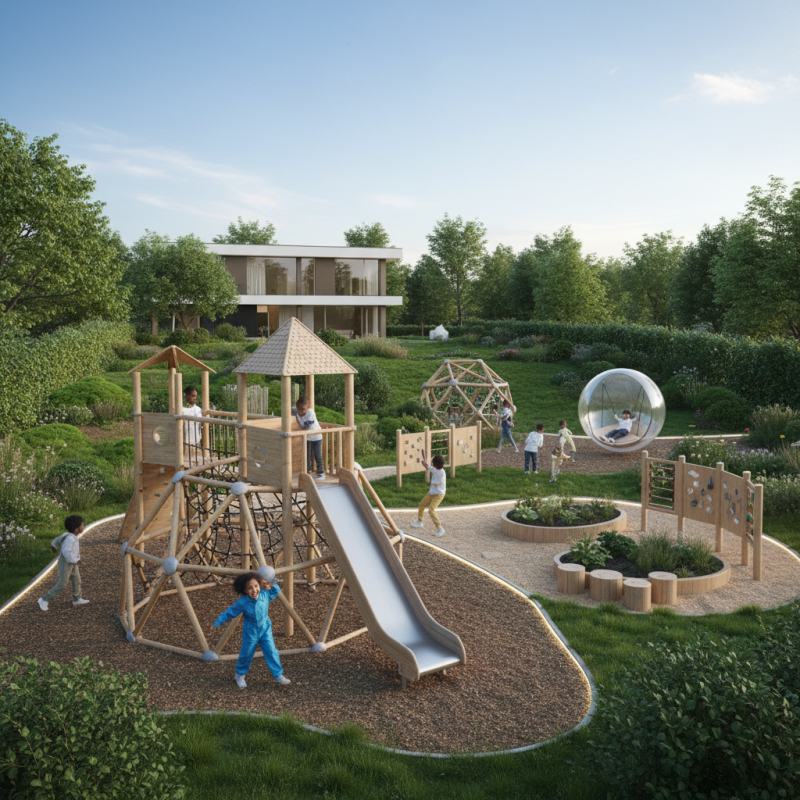
When looking ahead to 2026, garden playing equipment is becoming more innovative and engaging. Natural materials will be trending as families turn to eco-friendly options. Items made from wood or bamboo not only appeal to the eye but also blend seamlessly with the garden. Yet, it’s important to ensure these materials are safe and treated properly to withstand weather.
Interactive equipment is gaining popularity as well. Devices that promote creativity, such as sensory gardens or art stations, will captivate children. These spaces encourage exploration and imagination. However, it’s crucial to monitor use and provide guidance to avoid safety issues. After all, not all kids play the same way, and some may face challenges interacting with these features.
The rise of tech-infused options is enticing too. Incorporating technology can enhance traditional activities. For instance, augmented reality can make garden games even more thrilling. Yet, it’s necessary to balance screen time with nature play. Finding the right mix may need some trial and error as families adapt to these new trends. The journey of discovering what fits best for your garden will be an ongoing process.
Safety Standards and Regulations for Garden Play Equipment
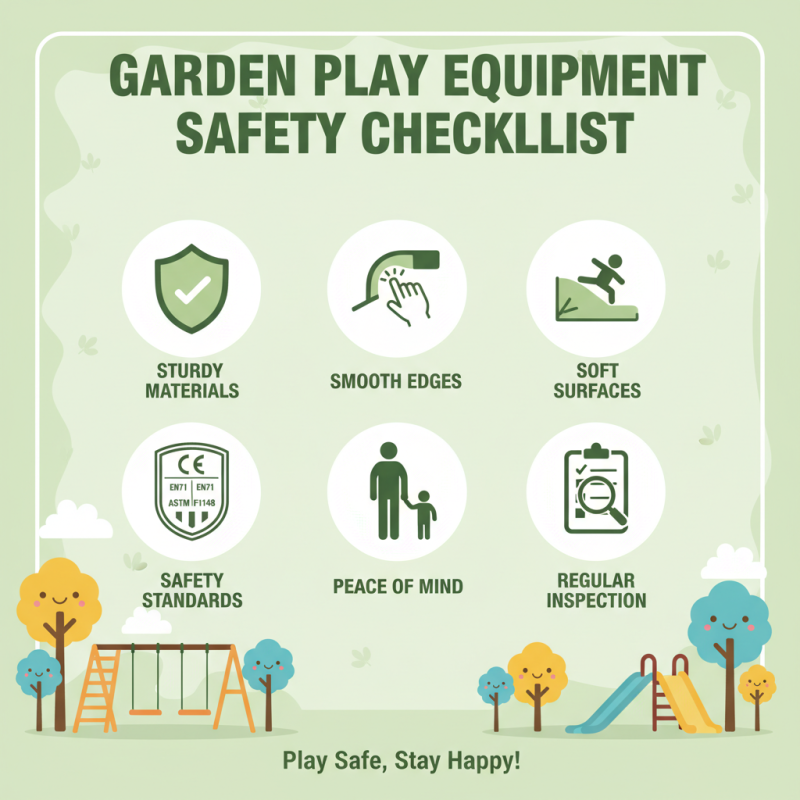
When selecting garden play equipment for children, safety is paramount. In 2026, manufacturers must adhere to updated safety standards. According to the American Society for Testing and Materials (ASTM), at least 40% of playground injuries are preventable through proper equipment design. Materials should be non-toxic and free from sharp edges.
Regular inspections are also crucial. Studies reveal that nearly 80% of equipment defects are usually unnoticed by parents or caregivers. Soft landing surfaces, like rubber mulch, can significantly reduce injury risk by up to 50%. Parents should prioritize equipment that meets or surpasses the latest safety regulations.
Moreover, consider local regulations and guidelines. Some regions require that play equipment meet specific height and size restrictions. Not all regions enforce the same standards. Staying informed can help ensure children's play remains safe and enjoyable. Vigilance and awareness can make a big difference in creating a fun play environment.
Best Materials for Durability in Garden Play Equipment
When selecting garden play equipment, durability is key. Materials significantly impact how long the equipment lasts. Popular choices include wood, metal, and plastic. Each has its pros and cons, influencing safety and maintenance.
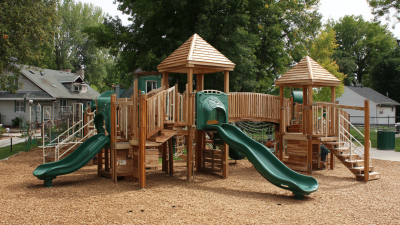
Wood offers a natural look and feel. However, it requires regular treatment to resist weather and rot. Untreated wood can splinter, posing risks for children.
Metal is sturdy and often rust-resistant, making it a solid choice for swings and slides. Yet, it can become hot in direct sunlight, which is something to consider for hot summer days.
Plastic is lightweight and often colorful, appealing to kids. It’s resistant to fading and typically requires less upkeep. Still, cheaper plastic may not withstand heavy wear.
Children play vigorously, and equipment must hold up. Reflecting on these materials can guide parents towards the best and safest choices for their garden. Balancing looks, safety, and durability requires thoughtful consideration.
Top Recommended Brands for Garden Playing Equipment in 2026
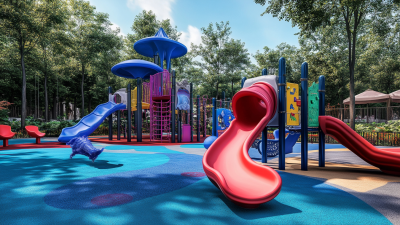
When selecting garden playing equipment for children, several reliable brands stand out in 2026. These brands offer a variety of options tailored for diverse age groups. From climbing frames to swing sets, the choices are numerous. Safety is a major concern, and many products include soft padding and secure anchoring systems.
Look for brands that focus on durability. Equipment made from high-quality materials withstands the test of time. Wooden structures may require regular maintenance, which can be a drawback. Metal options might rust if not properly cared for. Additionally, child-friendly designs encourage imaginative play, fostering creativity.
Consider the space in your garden. Equipment that is too large can overwhelm a small yard. Furthermore, monitor the weather conditions, as some items can be damaged by harsh sunlight or rain. It’s a process to find the right balance between fun and safety. Engage children in the decision-making. Their excitement and input are essential, making it a collaborative experience.
Best Garden Playing Equipment for 2026 What to Choose?
| Equipment Type |
Recommended Age Group |
Material |
Safety Features |
Price Range |
| Swing Set |
3-10 years |
Metal/Wood |
Rounded edges, stable base |
$150 - $400 |
| Slide |
2-8 years |
Plastic/Composite |
Non-toxic materials, grip handles |
$100 - $300 |
| Playhouse |
3-8 years |
Wood/Plastic |
Ventilation, safe window design |
$200 - $600 |
| Sandbox |
1-6 years |
Wood/Plastic |
Covered design, smooth edges |
$50 - $150 |
| Trampoline |
6+ years |
Metal |
Safety net, padded frame |
$200 - $500 |


 CONTACT NUMBER
 CONTACT NUMBER
 CONTACT NUMBER