2026 Best Indoor Playground Builders for Kids Fun and Safety?
In a world where children’s safety and fun are paramount, the role of Indoor Playground Builders becomes increasingly significant. Renowned expert, Emily Carter, states, “Creating safe, enjoyable spaces for kids is our top priority.” This sentiment captures the essence of the indoor playground industry.
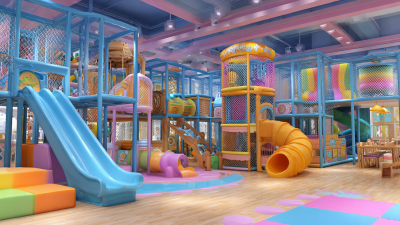
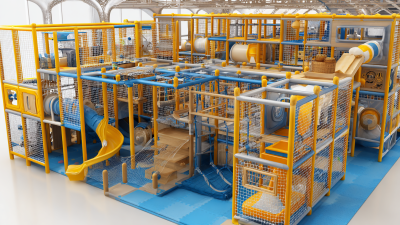
Indoor playgrounds are not just about bright colors and slides. They must prioritize safety features while providing engaging experiences. Builders face challenges in designing innovative spaces that cater to various age groups. Balancing aesthetics with safety requirements often leads to design flaws. For instance, overcrowded play areas can reduce safety and enjoyment.
Moreover, selecting the right materials is crucial. Some builders underestimate the importance of using non-toxic, durable materials. This oversight can compromise both safety and longevity. It’s vital for Indoor Playground Builders to continually reassess their designs, ensuring they meet evolving safety standards while still capturing children’s imagination and creativity.
2026 Trends in Indoor Playground Design: Balancing Fun and Safety
Indoor playgrounds are evolving. In 2026, designers are focusing on two major aspects: fun and safety. Recent studies show that 70% of parents prioritize safety features in play areas. This has led to innovative design solutions, such as soft surfaces and rounded edges.
Creative layouts now include multi-level structures and interactive elements to engage kids. The American Society for Testing and Materials (ASTM) highlights the importance of age-appropriate equipment. Equipment must cater to various age groups, especially toddlers and preschoolers. Safety measures like height restrictions are more critical than ever.
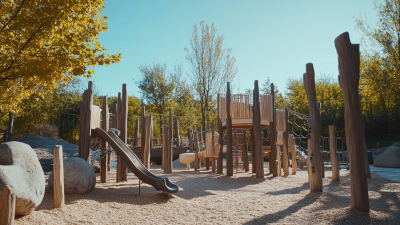
Embracing trends is essential. Incorporating natural elements can enhance the sensory experience. Yet, some designs can still feel crowded or overwhelming. Balancing safety and playfulness remains a challenging task for builders. Each project must undergo rigorous safety inspections, ensuring a secure environment. Failure to do so can lead to injuries. The industry needs to continually adapt and refine approaches.
2026 Trends in Indoor Playground Design: Balancing Fun and Safety
Key Features to Look for in Indoor Playground Equipment for Kids
When considering indoor playground equipment for kids, safety is paramount. Look for soft materials that reduce injury risk. High-quality padding on surfaces can make a significant difference. Parents should inspect structures regularly. Check for exposed bolts or sharp edges.
Tips: Invest in safety mats. They cushion falls and add an extra layer of protection. Consider the age range the equipment caters to. This ensures suitability and keeps children engaged.
Colorful designs attract kids. Bright hues can make play areas inviting. However, maintaining visual appeal shouldn't compromise safety. Equipment should be sturdy and age-appropriate. Misleading designs can pose hidden dangers.
Remember to assess the layout. It should promote easy supervision. A well-arranged space allows parents to monitor kids easily. An open design encourages social interaction but can lead to chaos without boundaries. Finding that balance is crucial.
Top Indoor Playground Builders: Industry Leaders and Their Offerings
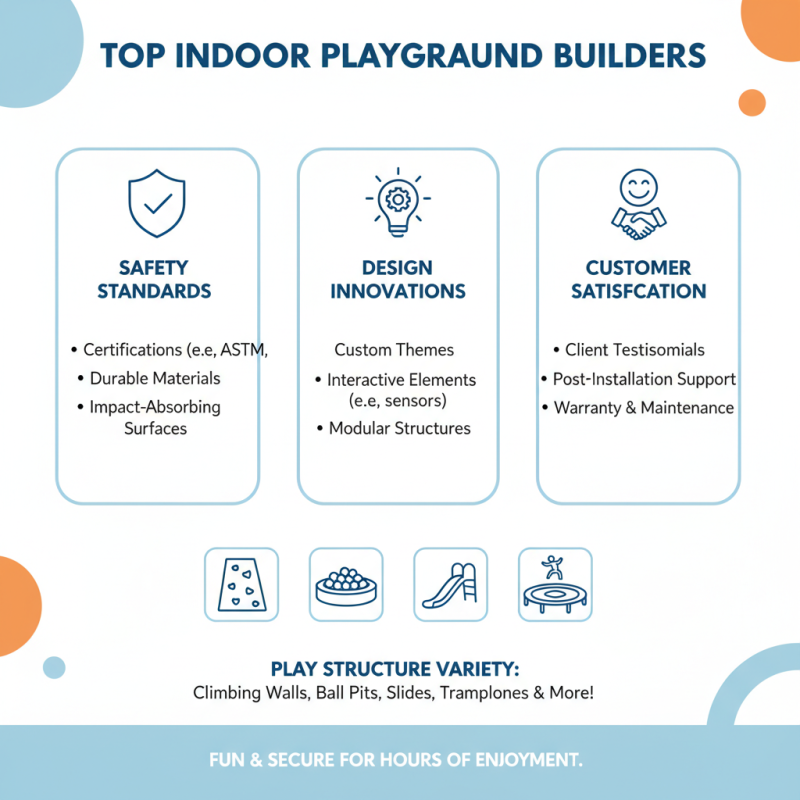
When looking for top indoor playground builders, several factors come into play. These include safety standards, design innovations, and customer satisfaction. Many builders offer a variety of play structures. They design everything from climbing walls to ball pits. Each element should be both fun and secure, allowing for hours of enjoyment.
However, not all builders meet the high expectations of parents. Some may lack transparency in their processes, leading to concerns about materials used. Other companies may prioritize profit over safety measures. It is crucial to investigate builders thoroughly. Reviews and testimonials can provide valuable insights into their work quality.
Moreover, the importance of play area aesthetics cannot be overlooked. Bright colors and engaging themes attract children. This aspect enhances the overall experience but requires careful planning. While many builders aim for creativity, some designs fall short. Playgrounds must not only entertain but also support physical development. Balancing these aspects demands thoughtful consideration from builders and clients alike.
Safety Standards and Regulations in Indoor Playground Construction
Creating a safe environment in indoor playgrounds is critical for kids. Various safety standards exist globally, but compliance is often inconsistent. According to the U.S. Consumer Product Safety Commission, over 200,000 children visit emergency rooms annually due to playground-related injuries. This statistic highlights the need for strict adherence to safety regulations during construction.
One key aspect is the materials used. Soft, impact-absorbing surfaces can minimize injury risks from falls. However, many builders opt for cheaper alternatives that do not meet safety guidelines. This might save costs initially but could lead to higher insurance premiums and liability risks later. Additionally, equipment design should prevent entrapment and ensure that all structures are age-appropriate to avoid accidents among mixed-age groups.
Regular inspections are vital. Industry reports indicate that playgrounds could improve their safety ratings significantly with routine checks. Many facilities neglect this aspect, relying on the initial construction quality. This oversight can lead to deteriorating conditions, putting children at risk. Building a playground involves more than just creating fun spaces; it requires a commitment to ongoing safety measures and a proactive approach to risks.
Cost Analysis: Investing in High-Quality Indoor Playgrounds for Longevity
When investing in an indoor playground, it's vital to consider quality.
High-quality materials ensure safety for kids while also lasting longer. Many cheaper options wear out quickly and can be dangerous.
Think about how often kids will use the playground. A durable structure will stand the test of time, making it a wise investment.
Tips: Choose materials that are easy to clean. This not only enhances safety
but also helps maintain the playground's appearance. Regular maintenance checks can prevent bigger issues down the line.
A well-kept playground brings peace of mind.
Cost analysis is crucial. Initial expenses for high-quality equipment might rise,
but consider the long-term benefits. Cheaper alternatives often lead to extra costs in repairs or replacements.
Investing wisely now can save you money later. Reflect on what matters most: the fun and safety of children.
It is worth the effort.


 CONTACT NUMBER
 CONTACT NUMBER
 CONTACT NUMBER