Best Indoor Playground Structures for Kids Fun and Safety?
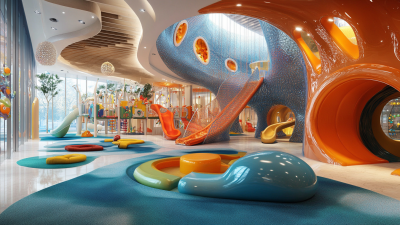
When it comes to children's play areas, safety and fun go hand in hand. Experts emphasize the importance of thoughtful design in Indoor Playground Structures. According to Dr. Lisa Bennett, a leading designer in the field, "The right structures can turn playtime into an unforgettable adventure." This highlights the key role these structures play.
Indoor Playground Structures must cater to a wide age range. Different levels of difficulty can accommodate toddlers and older children alike. Bright colors and engaging themes spark creativity and imagination. However, it’s vital to consider safety standards. Proper padding and secure materials are non-negotiable elements in design.
Yet, not every playground meets these standards. Parents sometimes face overwhelming choices, leading to potential mishaps. Regular maintenance is often overlooked, which can pose risks for kids. Reflecting on these considerations can help parents make informed decisions about their children's play environments.
Best Indoor Playground Structures for Kids Fun and Safety
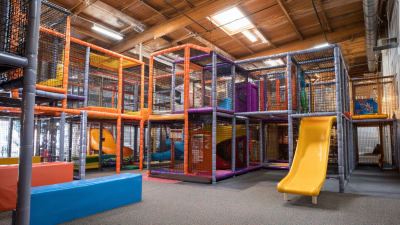
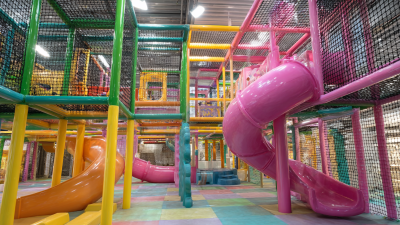
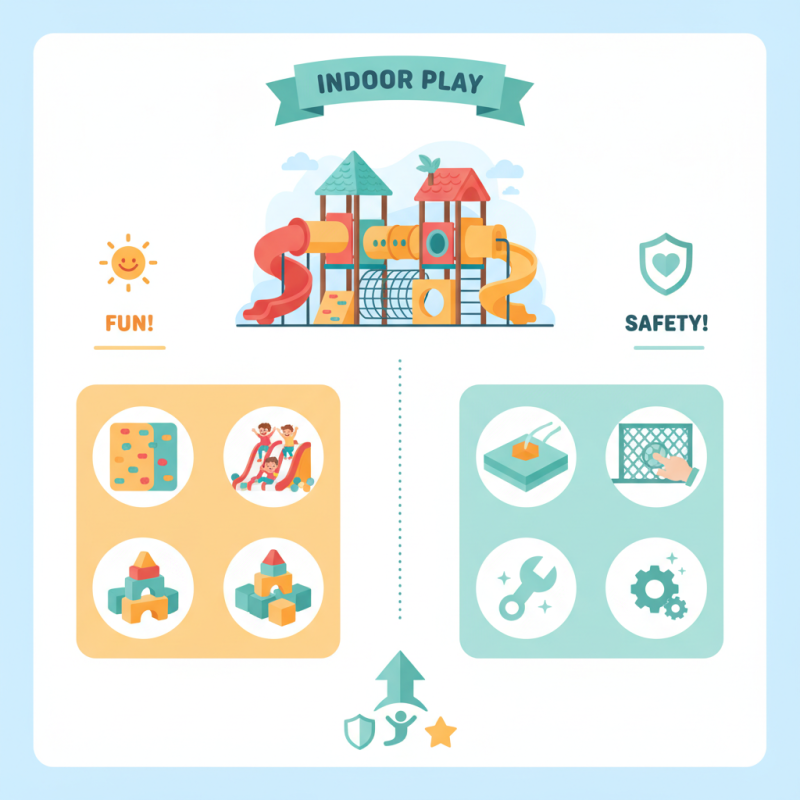
Indoor playgrounds provide a fun and safe environment for children to play. They are designed with various structures that encourage physical activity. From slides to climbing walls, these facilities engage kids in creative play. Safety is a top priority. Soft materials and rounded edges minimize the risk of injury. However, not all playgrounds are the same.
Parents should consider certain factors. The age-appropriateness of equipment is vital. Younger kids need smaller, more secure structures. Play areas should be spacious. Crowded spaces can lead to accidents. Visibility for supervising adults is also essential.
Tips: Always supervise your children at the playground. Check equipment for wear and tear. Encourage children to play safely, but let them explore their limits. It's important for their independence. Remember, fun should never compromise safety.
Best Indoor Playground Structures for Kids Fun and Safety
| Structure Type |
Age Group |
Features |
Safety Rating |
Price Range |
| Climbing Wall |
4-12 years |
Durable grips, non-slip surface |
High |
$500 - $1500 |
| Ball Pit |
1-5 years |
Soft balls, padded edges |
Medium |
$200 - $600 |
| Slide |
2-10 years |
Curved design, safe landing zone |
High |
$300 - $800 |
| Playhouse |
2-6 years |
Interactive features, spacious design |
Medium |
$150 - $500 |
| Obstacle Course |
5-12 years |
Various challenges, team activities |
High |
$1000 - $3000 |
Overview of Indoor Playground Structures: Types and Features
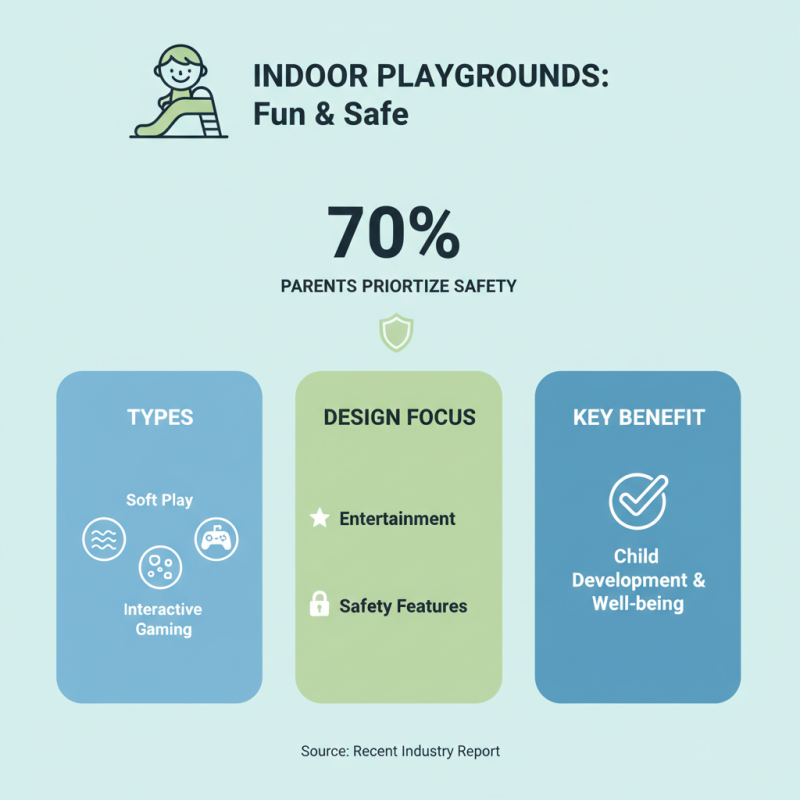
Indoor playground structures are designed for children's entertainment and safety. These structures come in various types, such as soft play areas, climbing walls, and interactive gaming zones. According to a recent industry report, 70% of parents prioritize safety features when selecting indoor playgrounds. This highlights the importance of incorporating safety measures in design.
Soft play areas are a popular choice. They often include foam blocks and padded surfaces to cushion falls. Children can play freely without the risk of injury. A study showed that these areas reduce injury rates by 50% compared to traditional play equipment. However, maintenance is crucial. Regular checks for wear and tear can prevent accidents.
Climbing structures help develop physical abilities. These designs are often complex, incorporating various challenges. While they encourage strength and coordination, they can also pose risks. Monitoring children's play is important. A lack of supervision may lead to injuries. Balancing fun and safety remains a significant challenge in indoor playground design.
Key Design Elements for Safety in Play Structures
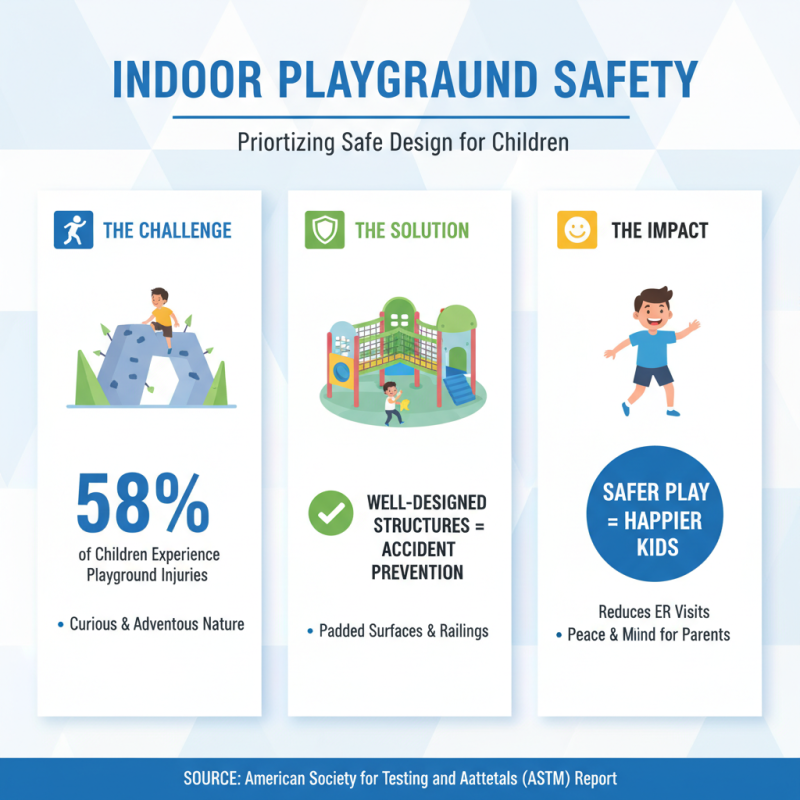
When designing indoor playground structures, safety must be a priority. Children are naturally curious and adventurous. A well-designed structure can prevent accidents. According to a report from the American Society for Testing and Materials, 58% of children experience playground injuries. Many of these incidents are related to unsafe designs.
Key design elements include soft surfaces and sturdy materials. Installing impact-absorbing flooring can reduce falls significantly. Materials should not splinter or have sharp edges. The Consumer Product Safety Commission emphasizes that proper spacing between equipment is vital. Overcrowding can lead to collisions.
Parents should also check for age-appropriate equipment. Playgrounds not designed for specific age groups can become hazardous. Regular maintenance is essential. Missing bolts, worn-out surfaces, or loose parts can create risky scenarios. While many facilities strive for safety, ongoing reflection on design can lead to better outcomes. Frequent evaluations are needed to ensure children's safety and enjoyment.
Importance of Age-Appropriate Equipment for Child Development
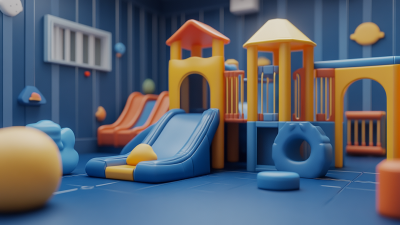
Choosing age-appropriate equipment in indoor playgrounds is crucial for child development. Younger children need softer surfaces and smaller climbing structures. This ensures they can explore safely and build confidence. Equipment should challenge their motor skills without overwhelming them. For instance, small slides and gentle ramps are ideal for toddlers.
As children grow, their needs change. They crave more complex structures to enhance coordination and social skills. Features like climbing walls or obstacle courses are great for this age group. However, it's important to monitor their interactions. Sometimes, older kids may inadvertently intimidate younger ones. This can lead to anxiety or reluctance to play.
Parents should observe how their child engages with the equipment. Each child is different; their comfort levels vary. Some may excel at climbing, while others prefer imaginative play. Regularly revisiting the playground layout and equipment choices ensures they align with the children's evolving needs. Adjustments might be necessary to maintain a positive experience for all.
Best Indoor Playground Structures for Kids Fun and Safety
Materials and Maintenance Tips for Durable Play Areas
Creating a safe indoor playground is vital for children's fun. Choosing the right materials is crucial. Soft surfaces are essential to prevent injuries during play. Consider options like foam or padded mats for flooring. They help absorb impact. Additionally, use non-toxic and durable materials for play equipment. These ensure safety while being environmentally friendly.
Maintenance is key for longevity. Regularly inspect equipment for wear and tear. Look for sharp edges or loose parts. Each small detail affects safety. Clean surfaces often to prevent the buildup of dirt or germs. Parents appreciate a clean environment for their kids. It can also be challenging to stay on top of maintenance schedules. Some areas may need extra attention, so create a checklist.
Community feedback is invaluable. Listen to parents about their experiences. They might highlight areas needing improvement. Create a space that is both fun and safe. Regularly updating equipment can be costly but necessary. Provide children with a play area that sparks joy while keeping their safety in mind.
Conclusion
Indoor Playground Structures play a vital role in providing children with a safe and enjoyable environment to engage in physical activity and social interaction. These structures come in various types, each equipped with features tailored to different age groups and developmental needs. Essential design elements focus on safety, ensuring that play areas are constructed with child-friendly materials and designed to minimize risks of injury.
Moreover, age-appropriate equipment is crucial for fostering child development, as it encourages physical, cognitive, and social skills. Parents and caregivers should prioritize the maintenance of these play structures to ensure durability and longevity. The benefits of indoor playgrounds extend beyond mere fun, contributing significantly to children's overall health and their ability to develop interpersonal skills in a controlled setting.


 CONTACT NUMBER
 CONTACT NUMBER
 CONTACT NUMBER