What is the Best Outdoor Play Park Equipment for Kids?
Outdoor play is essential for children's development. It not only promotes physical fitness but also enhances social skills. According to Sarah Jenkins, an expert in Outdoor Play Park Equipment, "Playgrounds should inspire creativity and encourage exploration." This statement highlights the importance of selecting the right equipment.
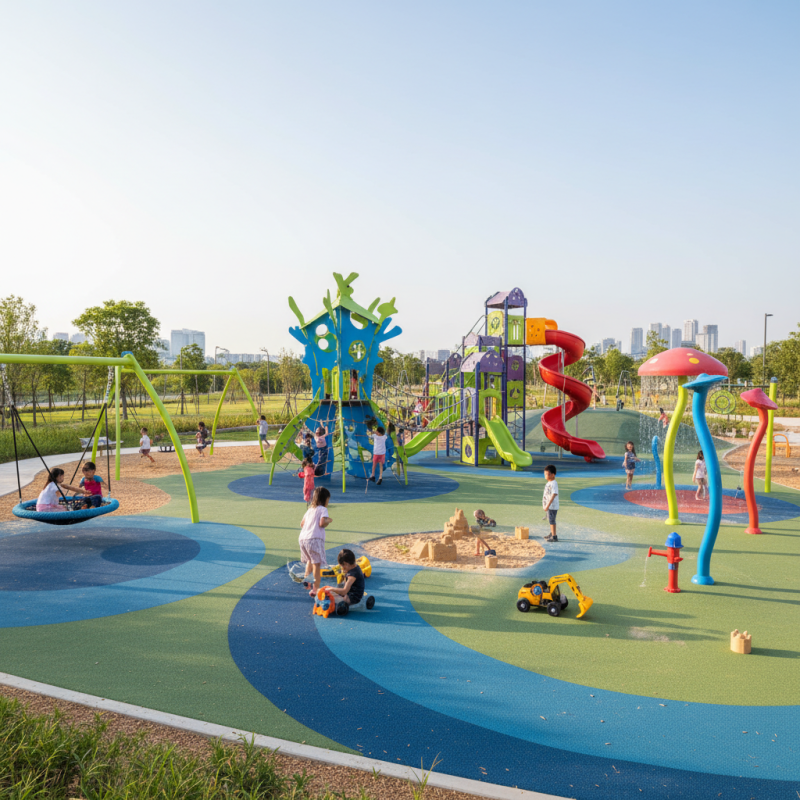
When choosing Outdoor Play Park Equipment, consider safety and engagement. Equipment should cater to various age groups and abilities. Climbing structures, swings, and slides are popular choices. Each piece should encourage active play while ensuring the children's safety.
Many parks lack diverse equipment. In some cases, outdated designs fail to engage kids. It’s crucial to reflect on what truly draws children to play. Bright colors, interactive features, and innovative designs can transform a dull park into an exciting adventure. Investing in quality equipment is vital for nurturing a love for outdoor play.
Types of Outdoor Play Equipment for Kids
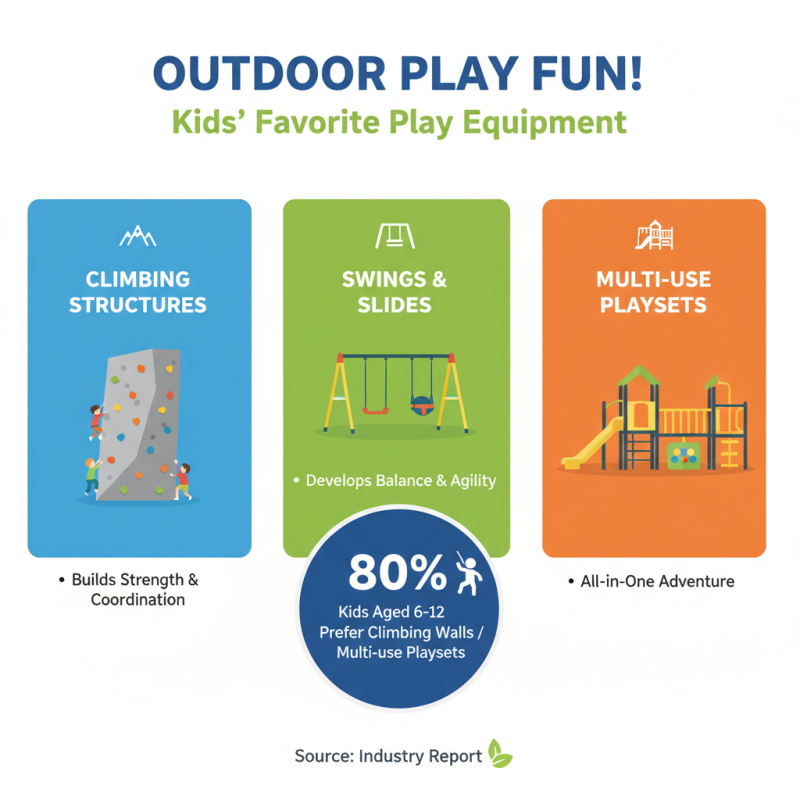
Outdoor play equipment for kids comes in many exciting forms. Children enjoy climbing structures, swings, and slides. According to a recent industry report, about 80% of kids aged 6 to 12 prefer climbing walls or multi-use playsets. These structures promote physical activity and coordination. They challenge kids to develop strength and balance. Many parks benefit from having diverse options.
Swings remain a classic favorite. They come in various styles, including regular swings and bucket swings for younger kids. Studies show that swinging can help enhance a child's vestibular system. This supports their spatial awareness and motor skills. Despite their popularity, swings can sometimes be overlooked in newer designs.
Slides are another essential piece of equipment. They offer thrilling experiences while helping kids build confidence. Even so, safety must be prioritized. Many slides do not comply with current safety standards. This is a concern for many parents and guardians. Regular inspections are crucial to ensure equipment remains safe and fun.
Benefits of Outdoor Play for Child Development
Outdoor play is essential for child development. Research shows that children who engage in outdoor activities exhibit improved physical health, social skills, and cognitive abilities. According to the American Academy of Pediatrics, 60 minutes of active play a day is important for young kids. When kids run, climb, and explore outdoors, they strengthen their muscles and improve coordination.
Moreover, outdoor play promotes mental well-being. A study from the University of Illinois found that children exposed to green spaces showed reduced levels of anxiety and stress. Nature has a calming effect. These outdoor environments can enhance creativity and problem-solving skills. Kids learn to navigate challenges, both physically and socially.
However, access to quality outdoor play equipment is often limited. Many communities lack safe, engaging playgrounds. This disparity can affect low-income families the most. It's crucial to advocate for inclusive, well-designed play parks. Investing in such spaces can lead to healthier, happier children. While outdoor play is beneficial, it needs to be available to all.
Benefits of Outdoor Play for Child Development
Safety Considerations for Outdoor Play Equipment
When selecting outdoor play equipment, safety is paramount. Studies show that over 200,000 children visit emergency rooms each year due to playground-related injuries. These injuries often arise from falls. Safe equipment can significantly reduce these risks.
Look for age-appropriate designs. Equipment should match the developmental stages of children. For instance, climbing structures for toddlers must be lower than those for older kids. Compliance with safety standards is essential in all equipment. Equipment should have proper shock-absorbing surfaces, like rubber mats or engineered wood fiber.
Regular maintenance is another critical aspect. Broken swings or loose bolts can lead to accidents. Surveys indicate that nearly 30% of playgrounds do not meet safety standards. Frequent inspections can help identify these risks. Awareness is key; parents and guardians should actively supervise play. Engaging with kids during play can reduce the chance of injury and enhance overall enjoyment.
Choosing the Right Size and Age-Appropriate Equipment
When selecting outdoor play park equipment, choosing the right size and age-appropriate items is crucial. Research shows that around 70% of playground injuries occur due to improperly sized equipment. Equipment designed for younger children can prevent these risks. A playscape meant for toddlers is often lower to the ground and features softer surfaces. This design is essential for safe exploration.
Age-appropriate equipment not only enhances safety but also encourages physical development. According to a study by the National Program for Playground Safety, equipment should match the abilities of the intended age group. For instance, climbing structures for preschoolers should be no higher than 5 feet. Additionally, larger playsets designed for older kids often utilize open spaces to accommodate bigger groups. This helps foster social interactions, which is vital for emotional growth.
However, not all playgrounds are created equal. Some parks fail to consider diverse age ranges. This oversight can limit play opportunities, especially for children close in age. It’s essential to balance challenging features with safe design. Community feedback can lead to improvements. Engaging with parents and caregivers often reveals gaps in equipment suitability. This approach encourages better decision-making for future installations.
Maintenance and Care Tips for Outdoor Play Parks
Proper maintenance of outdoor play park equipment is crucial for safety and longevity. Statistics show that 70% of playground injuries occur due to inadequate maintenance. Regular inspections can help identify wear and tear before accidents happen. Equipment should be checked for rust, loose bolts, or damaged surfaces. This routine check ensures children play safely.
Here are some tips for maintaining outdoor play parks:
- Clean the equipment frequently to prevent dirt buildup. Use a mild soap and water solution for thorough cleaning.
- Check safety surfacing under equipment regularly. It should be intact and provide adequate cushioning to prevent injuries from falls.
- Keep the area clear of debris. Litter and sharp objects can pose risks for kids playing.
Despite best efforts, maintenance can fall short. Some parks may lack the regular attention they need. Over time, this neglect can lead to deterioration. Staff training is essential but not always prioritized. This highlights a need for a more structured maintenance program. Implementing a community volunteer system can enhance oversight and care.


 CONTACT NUMBER
 CONTACT NUMBER
 CONTACT NUMBER