2026 Best Outdoor Playground Designs for Kids Fun and Adventure?
The design of Outdoor Playgrounds has evolved significantly in recent years, focusing on boosting children's creativity and physical health. According to a 2022 report by the International Playground Manufacturers Association, a well-designed playground can increase children's physical activity by up to 50%. Renowned playground expert Dr. Amy Fairchild states, “Outdoor play spaces are vital for childhood development, providing essential social and motor skills.”
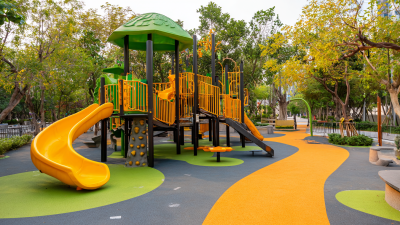
Creative designs are at the heart of engaging Outdoor Playgrounds. Today’s trends show unique structures that stimulate adventure and exploration. Parents often seek safe environments that spark curiosity. However, not all designs deliver on safety or engagement. Some playgrounds lack innovative features, leading to missed opportunities for children's development.
A great Outdoor Playground should invite children to explore but also challenge them. Parents and designers need to reflect on how current trends balance safety and adventure. There is still much work to be done. An ideal playground is not just a set of swings or slides; it should be a world of imagination.
Innovative Concepts in Outdoor Playground Design for 2026
In 2026, outdoor playground design is evolving through innovative concepts. Research shows that kids today crave diverse experiences in play. A focus on sensory play, natural elements, and interactive installations is reshaping playgrounds. According to a recent industry report, 65% of parents prefer inclusive playgrounds that accommodate children of all abilities. This highlights a significant shift towards creating spaces for everyone.
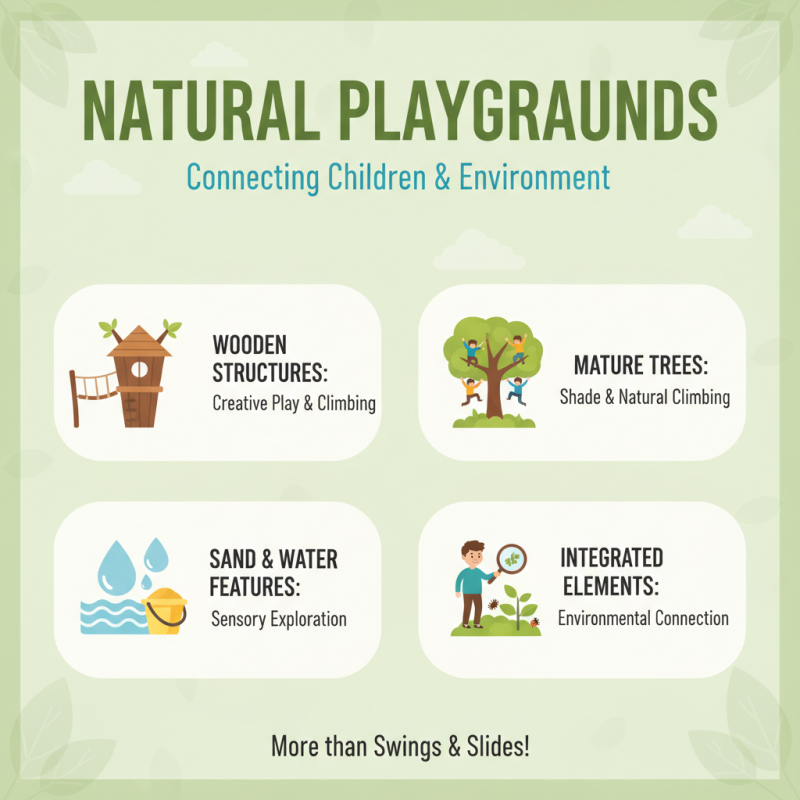
Integrating nature into playgrounds is essential. Parks with trees, plants, and water features stimulate exploration. Natural materials foster creativity and reduce stress. However, maintaining these areas poses challenges. Some designs may overlook accessibility. Ensuring pathways are clear and surfaces are safe is crucial for enjoyment.
Tips: Incorporate elements that encourage teamwork. Climbing structures and balance beams promote physical skills. Sensory gardens can teach kids about the environment. Thoughtful layout and design can inspire adventure while ensuring safety. Playgrounds should invite curiosity and foster connections among children. Balancing these elements is key to successful outdoor spaces.
2026 Best Outdoor Playground Designs for Kids Fun and Adventure
| Design Name |
Theme |
Key Features |
Age Group |
Safety Rating |
| Adventure Island |
Island Theme |
Climbing walls, Slides, Rope bridges |
5-12 years |
ASTM Certified |
| Space Odyssey |
Space Theme |
Galactic slides, Rocket climbing, Starry sandbox |
3-10 years |
EN 1176 Compliant |
| Nature Explorer |
Nature Theme |
Log bridges, Climbing trees, Nature trails |
2-8 years |
CPSC Approved |
| Superhero City |
Superhero Theme |
Hero towers, Flying fox, Obstacle courses |
4-12 years |
Certified Safe |
| Pirate Cove |
Pirate Theme |
Ship climbing, Treasure chests, Water play |
3-7 years |
ASTM & EN Certified |
Essential Safety Features in Modern Playground Equipment
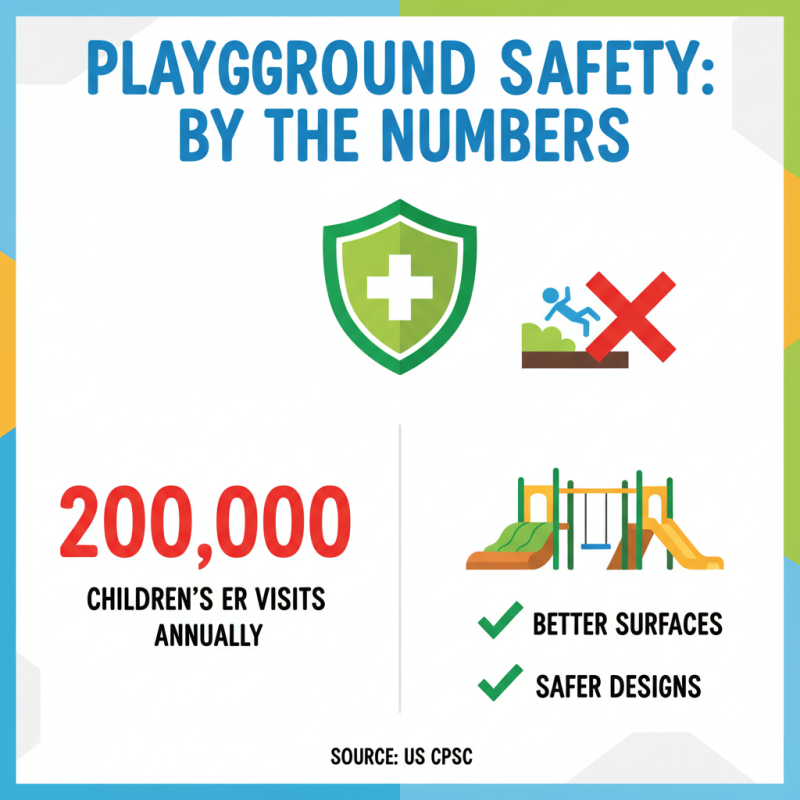
When designing playgrounds, safety is paramount. A report from the U.S. Consumer Product Safety Commission indicates that about 200,000 children visit emergency rooms annually due to playground injuries. This highlights the need for well-designed safety features.
Modern playgrounds should include critical elements like impact-absorbing surfaces. OSHA recommends rubber and mulch as effective materials to reduce fall-related injuries. Furthermore, proper spacing between equipment can prevent collisions. Experts suggest at least 12 inches of space around climbing structures.
Supervision is essential, yet often overlooked. Parents should always monitor their children. A survey shows that 70% of parents feel less confident in playground safety when no supervision is present. Regular maintenance checks can also uncover potential hazards. Without these checks, even the best designs may harbor hidden risks.
Integrating Natural Elements for Child-Centric Play Areas
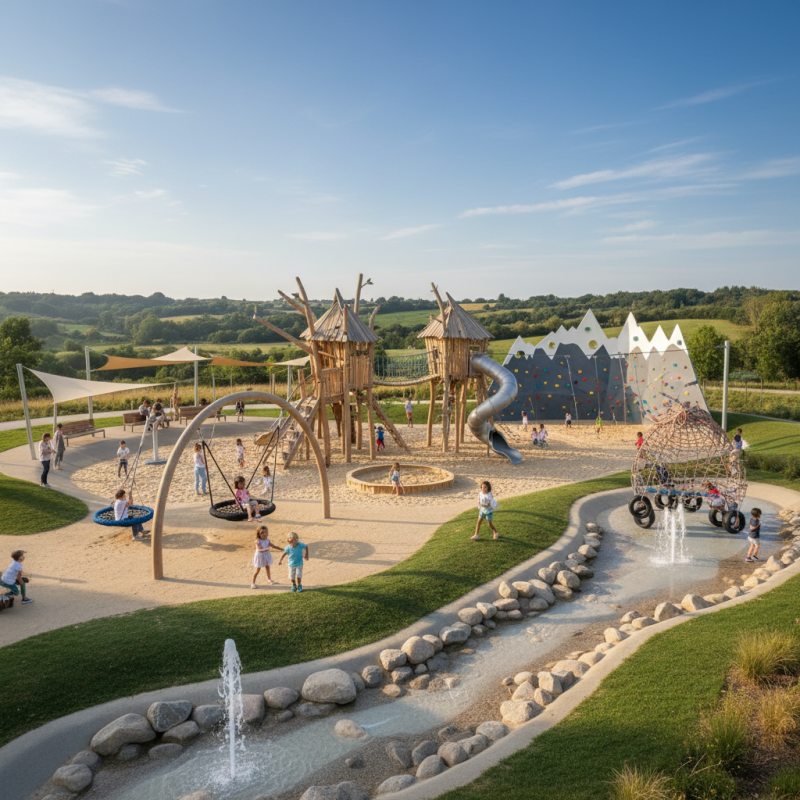
Creating outdoor playgrounds that integrate natural elements invites children to connect with their environment. Instead of just swings and slides, consider incorporating wooden structures, sand pits, and water features. These features can stimulate creative play while offering sensory experiences. Trees can provide shade and natural climbing opportunities, encouraging exploration.
The design should focus on safety, yet it’s easy to overlook hidden dangers. Natural materials may wear over time, leading to splinters or unstable surfaces. Regular maintenance is crucial to ensure that children can play safely. Attention to detail in these areas can transform a simple playground into an adventure hub.
Including diverse natural elements poses its challenges. For example, not all kids may enjoy climbing trees or getting muddy. Some might prefer quieter spaces. Hence, varied zones that cater to different play styles are important. A balance of active and passive play areas can help nurture all preferences.
Incorporating Technology in Outdoor Playgrounds for Engagement
Outdoor playgrounds are evolving, blending fun with technology. These spaces now feature interactive elements. Children can play with augmented reality (AR) installations or smart climbing walls. This shift encourages imaginative play while fostering motor skills.
A report from the International Playground Equipment Association indicates that tech-enhanced playgrounds can boost engagement by 40%. Children are drawn to screens and interactive devices. This attraction can lead to unique physical activities. Yet, balancing tech use with traditional play is essential. Too much screen time can diminish social interactions.
Furthermore, incorporating tech doesn’t guarantee a perfect solution. Some experts argue that it might distract from physical activity. Children may prefer virtual challenges over climbing structures. Observing how kids interact with both tech and traditional play can provide valuable insights. The goal is to create engaging environments that cater to diverse play preferences. Exploring this synergy is a journey worth taking.
Designing for Inclusivity: Accessible Playgrounds for All Children
Creating inclusive playgrounds is crucial for fostering play and adventure among all children. According to the National Center for Accessible Educational Materials, about 1 in 5 children have a disability. This statistic highlights the importance of designing spaces where every child can thrive. Accessible playgrounds can include ramps, wide pathways, and sensory-rich play items. Such designs allow children of varying abilities to explore and engage with their peers fully.
Tip: When planning a playground, consider the diverse sensory needs of children. Include tactile elements like textured surfaces or water features. These additions can stimulate interaction and learning.
Inclusivity doesn’t stop at physical access. Children benefit from social inclusion as well. Research by the Inclusive Play Project states that friendships often develop during play. Therefore, creating spaces that encourage interaction is vital. This might mean integrating play zones that cater to different activities, from quiet areas to active zones.
Tip: Use bright and contrasting colors to make elements visually appealing. This not only attracts children but also aids those with visual impairments in navigating the space. It's essential to reflect on how these designs can sometimes miss the mark. Perhaps some features do not engage every child. Continuous feedback from families can guide improvements.
2026 Best Outdoor Playground Designs for Kids Fun and Adventure
This chart illustrates the percentage of different playground features that promote inclusivity for all children. The data demonstrates the growing trend of incorporating accessible designs in outdoor play areas.


 CONTACT NUMBER
 CONTACT NUMBER
 CONTACT NUMBER