How to Choose the Best Outdoor Playground Structures for Your Area?
Choosing the best outdoor playground structures can be a challenge for communities. Many factors influence the decision. The right choice helps create a safe and engaging environment for children. According to the National Association for Sports and Physical Education, outdoor play is essential for child development. It encourages physical activity, creativity, and social skills.
Data from industry reports highlight the growing demand for innovative playground designs. Communities are increasingly investing in structures that promote inclusion and accessibility. Additionally, studies show that diverse play environments cater to various age groups. This is crucial for fostering healthy childhood experiences. While many playgrounds may look appealing, functionality and safety must not be overlooked.
It's important to assess local needs and preferences when selecting playground structures. Engaging with community members can provide valuable insights. However, not all choices will meet expectations, thus requiring ongoing evaluation and adjustments. Balancing aesthetics with safety and engagement is a complex task but necessary for long-term success.
Key Factors to Consider When Selecting Playground Structures
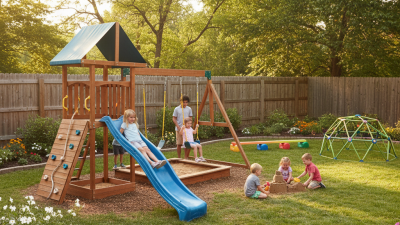
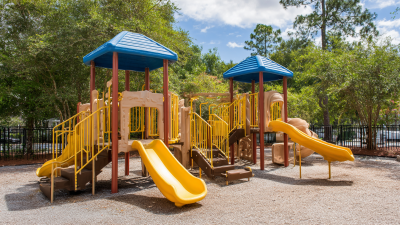
When selecting outdoor playground structures, several key factors should be taken into account. Safety is paramount. Look for materials that meet safety standards. Structures should have rounded edges and soft components to minimize injuries. The layout should allow for easy supervision. Parents and guardians feel more secure knowing they can keep an eye on their children.
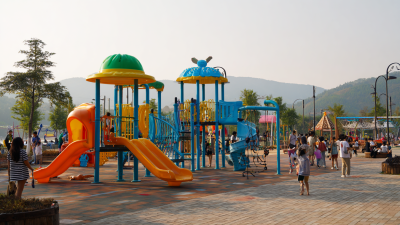
Age-appropriate design is another critical factor. Structures should cater to various age groups. Features for toddlers differ from those designed for older children. Activities that stimulate physical, social, and cognitive skills are vital. Incorporate options for climbing, sliding, and imaginative play. These elements help children develop strength and creativity.
Lastly, consider the maintenance of these structures. Wood may look appealing, but it requires more upkeep than metal. Look for durable materials that can withstand weather changes. Installation should also factor in long-term care costs. Regular checks can enhance the lifespan of the playground. Reflect on what fits best in your community. The right choices create lasting memories for many families.
Playground Structures Evaluation: Key Factors
Understanding Age Appropriateness for Playground Equipment
When selecting outdoor playground structures, age appropriateness is crucial. Children of different age groups have varying developmental needs. Structures designed for toddlers should focus on soft materials and low heights. For instance, equipment like small slides or crawl spaces encourage exploration without excessive risk. According to the National Playground Safety Institute, 70% of injuries occur on equipment not suited for the child’s age group.
For preschoolers, climbing structures can enhance motor skills. Safety and design should foster independent play. For instance, play panels at eye level boost interaction and cognitive growth. On the other hand, equipment meant for school-age children must be more complex. Climbing walls or obstacle courses promote physical challenges. However, the U.S. Centers for Disease Control and Prevention reports that nearly 20,000 children visit emergency rooms annually due to playground injuries.
Selecting the right playground involves understanding these dynamics. Not all parks have age-segmented areas, leading to potential hazards. Influence from parents and caregivers also matters. They often overlook the risks associated with mixed-age play. Reflecting on these aspects ensures a safer, more engaging experience for all children involved. Balancing excitement with safety is essential in any playground design.
Evaluating Safety Standards and Regulations for Outdoor Playgrounds
When selecting outdoor playground structures, safety should be your top priority. Different regions may have varying safety standards and regulations. Understanding these can help in choosing equipment that protects children. For instance, check if the playground complies with local guidelines set by health and safety authorities. Familiarize yourself with the ASTM standards, as they provide a solid foundation for safety measures.
Tips for ensuring safety include verifying the material and design of the structures. Ensure that materials are non-toxic and durable. Inspect the equipment for sharp edges or potential pinch points. These details can make a significant difference. Age-appropriate designs are crucial. Structures should cater to different age groups to prevent accidents.
Consult your local community for insights. They may share experiences that highlight safety issues or successes. Conduct regular maintenance checks on the equipment. Over time, wear and tear can pose unknown risks. Reflecting on previous installations can lead to improved safety practices. Engage with parents and caregivers for feedback. They can offer valuable perspectives on children’s interactions with the playground.
How to Choose the Best Outdoor Playground Structures for Your Area? - Evaluating Safety Standards and Regulations for Outdoor Playgrounds
| Playground Structure Type |
Recommended Age Group |
Safety Standards |
Installation Requirements |
Maintenance Frequency |
| Swing Sets |
2-12 years |
ASTM F1487 |
Requires flat surface, 6 ft safety zone |
Monthly checks |
| Slides |
2-8 years |
CPSC Guidelines |
Soft landing base required |
Bi-annual inspections |
| Climbing Structures |
5-12 years |
ASTM F1487 |
Secure anchoring required |
Monthly checks |
| Activity Panels |
2-6 years |
CPSC Guidelines |
Requires no sharp edges |
Quarterly checks |
| Seesaws |
5-12 years |
ASTM F1148 |
Level surface needed |
Weekly checks |
Assessing Available Space and Site Conditions for Playground Installation
When choosing outdoor playground structures, assessing available space and site conditions is crucial. Measure the area accurately. Ensure enough room for both the playground and safe fall zones. Consider the layout. The design should encourage various activities while promoting safety and access.
Site conditions impact installation. Check the ground type; grass, soil, or concrete all play a role. Inspect for drainage issues. Poor drainage can result in muddy areas that are unsafe for children. Additionally, look out for nearby obstacles like trees or fences that may limit playground options.
Local climate factors into your decision too. Heavy winds may require sturdier structures, while sunny areas may benefit from shade options. Reflect on these points before finalizing your choice. Do not rush the process; careful planning leads to a better outcome. It’s about creating a fun, safe environment for children to play and grow.
Incorporating Accessibility Features in Playground Design for Inclusivity
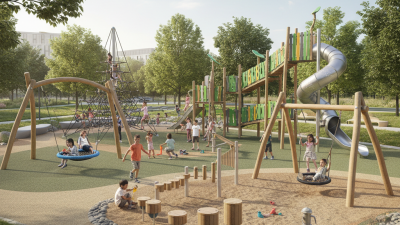
When designing outdoor playground structures, inclusivity is crucial. Accessibility features ensure that all children can play together, regardless of ability. Elevating ramps, for example, allow wheelchair users to access play areas easily. Swings with supportive seats accommodate children who need extra assistance.
Consider sensory play elements as well. Textured surfaces, musical components, and visual displays can engage children with different needs. These additions do not just benefit some; they enhance the experience for everyone. By fostering a playful environment rich in diversity, we invite all children to enjoy and explore.
Failing to prioritize accessibility can lead to exclusion. It's vital to consult with specialists in inclusive play design. Their expertise can guide effective solutions. Regular community feedback can also help identify gaps in design and ensure that the playground truly serves its purpose. Designing for inclusivity is not merely a choice; it's a responsibility.


 CONTACT NUMBER
 CONTACT NUMBER
 CONTACT NUMBER