Best Play Area Equipment for Kids Safety and Fun?
Creating a safe and fun environment for children is essential. Selecting the right Play Area Equipment can significantly enhance their play experience. However, not all equipment guarantees safety and enjoyment. It is crucial to consider various factors before making a choice.
With a wide array of options available, parents often feel overwhelmed. Do you prioritize safety over fun? Or should joy take precedence? Reliable equipment should have age-appropriate features and sturdy designs. Proper installation and regular maintenance are also vital for safety.
Moreover, the flexibility of the Play Area Equipment matters. Equipment should cater to different activities while promoting physical development. Not only should it stimulate creativity, but it should also encourage social interactions. Ultimately, reflecting on the needs of your children will guide you towards making the best choice.
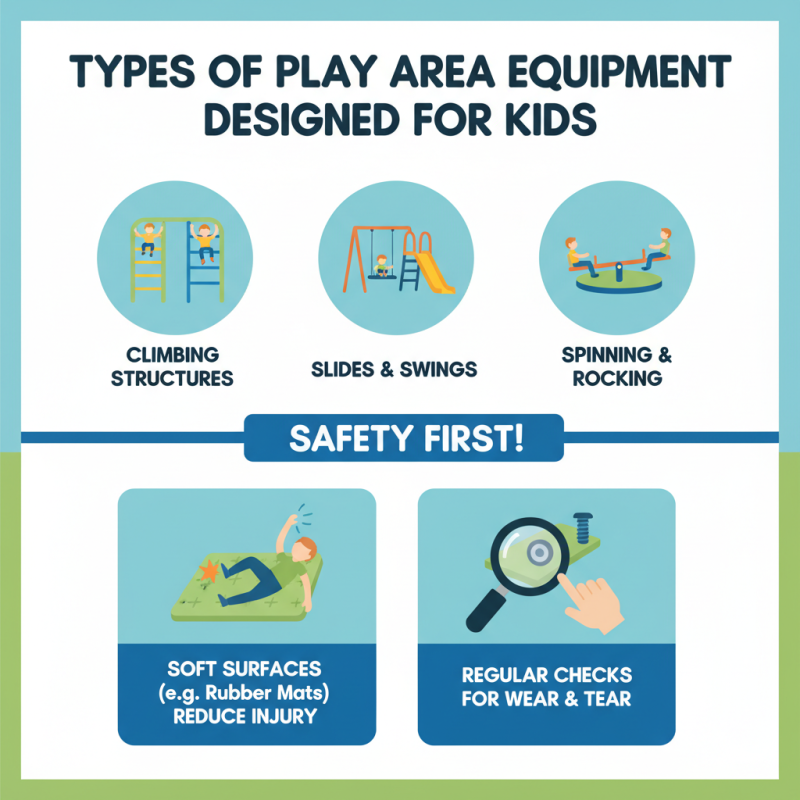
Types of Play Area Equipment Designed for Kids
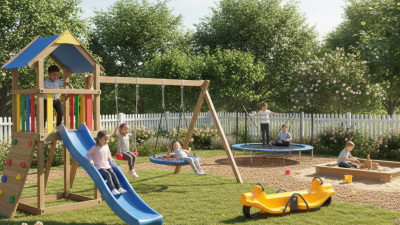
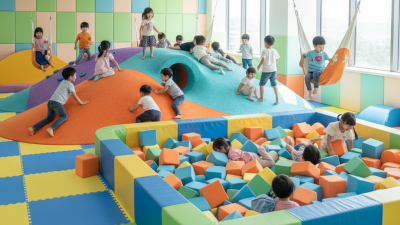
When creating play areas for children, safety is paramount. Various types of equipment are designed to enhance both safety and enjoyment. Climbing structures are popular among kids. They encourage physical activity and coordination. Soft surfaces, like rubber mats, reduce injury risk. Parents should check these areas regularly for wear and tear.
Another essential category is swings and slides. Swings promote balance and strength. Slides provide thrill but can lead to accidents if not monitored. Installing equipment in shaded areas helps prevent overheating during play. Regular maintenance checks are often overlooked. This is vital for ensuring ongoing safety.
Interactive equipment, such as sensory panels, stimulates creativity. These allow kids to explore textures and colors. While promoting imaginative play, it is crucial to ensure that items are securely mounted. One must also consider the age range suitable for each piece. Failing to do so can lead to confusion and potential accidents. Balancing fun with safety is a continuous process that requires vigilance.
Safety Standards for Children’s Play Equipment
When considering play area equipment for children, safety standards are paramount. The U.S. Consumer Product Safety Commission (CPSC) outlines guidelines to reduce risks of injuries. For instance, the height of equipment should not exceed 12 feet for public playgrounds. This prevents severe falls. In fact, studies show that about 200,000 children visit emergency rooms each year due to playground-related injuries.
Effective surfacing material is crucial. The CPSC recommends that protective surfacing be at least 12 inches thick for optimal shock absorption. Materials like mulch and rubber mats can significantly reduce the risk of injury. Yet, many playgrounds still use inadequate surfacing, which leads to safety concerns. According to a survey from the National Program for Playground Safety, 70% of playgrounds do not meet safety standards.
Child supervision plays a vital role in enhancing safety. Children often act unpredictably, which can lead to accidents. Regular inspections and maintenance of equipment are necessary. Inadequate maintenance can often go unnoticed, resulting in hazardous conditions. Implementing these safety measures can create a fun, enjoyable, and secure environment for children to thrive. Balancing safety with enjoyment is essential in play area design.
Benefits of Engaging Play Structures for Child Development
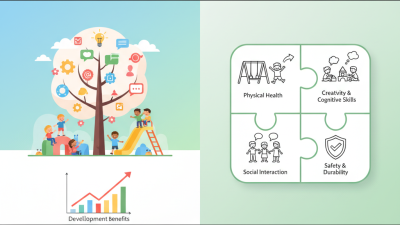
Engaging play structures are essential for healthy child development. They encourage physical activity, enhance social skills, and boost creativity. Children learn to solve problems as they navigate playground equipment. Physical play fosters coordination and strength, while social interaction builds teamwork.
Tips: Incorporate various equipment types. Think slides, swings, and climbing structures. Create spaces for quiet and busy play. Diverse options keep all kids engaged, regardless of their interests. Ensure the equipment is age-appropriate and safe.
Play areas should also offer opportunities for exploration. Natural elements, like sand or water, invite sensory play. Children gain confidence when they take risks in a safe environment. Observe how children interact. Are they sharing? Are they helping each other? Reflection helps improve the play area design. Safety is not just about structure; it’s also about encouraging connection.
Best Play Area Equipment for Kids Safety and Fun
| Play Structure Type |
Age Range |
Safety Features |
Benefits for Development |
Engagement Level |
| Swings |
2-12 years |
Soft seats, high back support |
Enhances balance, coordination |
High |
| Climbing Frames |
3-10 years |
Rounded edges, sturdy materials |
Builds strength, spatial awareness |
Very High |
| Slides |
2-8 years |
Non-slip surfaces, guardrails |
Promotes motor skills, encourages risk assessment |
High |
| Sandbox |
1-6 years |
Covered, smooth edges |
Enhances creativity, fine motor skills |
Medium |
| Balance Beams |
3-12 years |
Stable base, low height |
Improves balance, focus |
Medium to High |
Tips for Choosing Safe and Fun Equipment for Play Areas
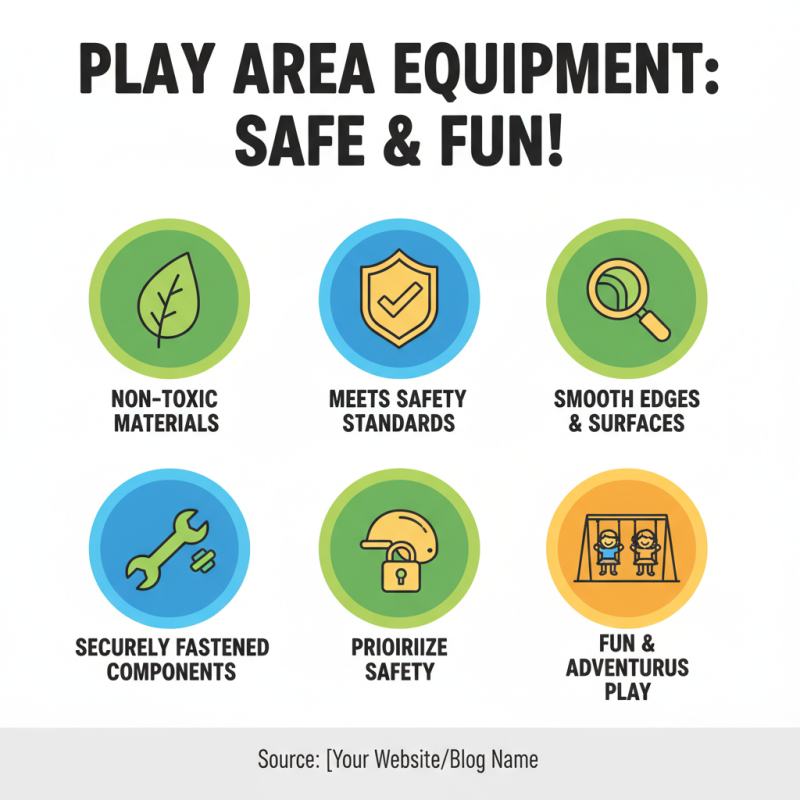
When creating a play area for kids, safety is paramount. Choose equipment made from non-toxic materials. Look for items that meet safety standards. Inspect edges and surfaces for potential hazards. Ensuring that all components are securely fastened is crucial. Children can be adventurous, and even small mistakes in assembly can lead to injuries.
Consider the age appropriateness of the equipment. A toddler swing set differs from one intended for older kids. Ensure the equipment matches the developmental stage of children who will use it. Regular maintenance is often overlooked. Check for wear and tear regularly. Rusty components and broken pieces can pose risks.
Incorporate various equipment types for engaging play. Slides, swings, and climbing structures offer different experiences. Mixing active and passive elements fosters creativity. However, be cautious of the layout. Overcrowded areas might lead to collisions. Reflect on how the space feels during playtime. Ensure that it’s inviting, but also allows for safe movement.
Maintenance Practices to Ensure Long-lasting Play Equipment Safety
Maintaining play area equipment is crucial for ensuring children's safety. Research by the Consumer Product Safety Commission indicates that nearly 200,000 children are treated for injuries related to playground equipment each year. Regular safety checks can minimize these risks. Inspecting equipment for wear and tear can identify potential hazards before they become serious problems.
Routine maintenance enhances the longevity of play structures. For instance, a study by the American Society for Testing and Materials found that well-maintained equipment lasts on average 30% longer than neglected structures. Simple tasks, such as tightening bolts, checking for rust, and ensuring soft surfaces under swings and slides are intact, can create a safer play environment.
It’s important to remember that wear isn't always visible. Equipment that appears fine may have hidden issues. In fact, professionals suggest reviewing equipment at least twice a year. Documenting these checks can help keep track of service history. This way, families can feel assured that their children are playing on safe equipment. Regular inspections foster trust in the safety of play facilities, which is a fundamental aspect of enjoyable play experiences.
Best Play Area Equipment for Kids Safety and Fun
This bar chart represents the average safety ratings of various types of play area equipment based on maintenance practices. The safety ratings are based on user reviews and inspections to ensure long-lasting play equipment safety.


 CONTACT NUMBER
 CONTACT NUMBER
 CONTACT NUMBER