Best Play Area Equipment for Engaging Outdoor Spaces?
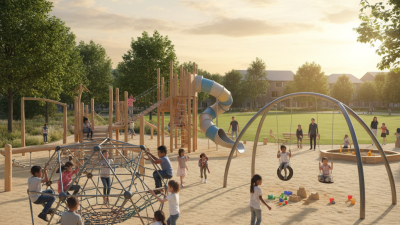
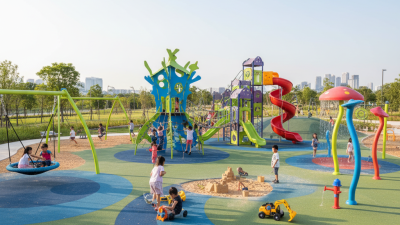
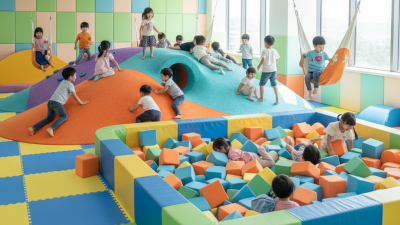
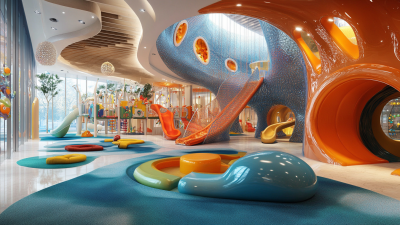
Creating engaging outdoor spaces for children is essential for their development and happiness. The right Play Area Equipment can transform a simple yard into a vibrant playground. It encourages physical activity, social interaction, and imaginative play. When selecting equipment, consider age-appropriateness, safety features, and durability.
Children thrive in well-designed environments. They explore, create, and interact with their peers. Play Area Equipment, such as climbing frames, swings, and slides, can help develop motor skills. However, not all equipment meets safety standards. Researching reliable sources is key to making informed choices.
It’s important to reflect on our selections. What attracts children? How do they engage with each piece of equipment? These questions can guide smarter choices. Prioritize quality and versatility in your outdoor play areas. The right equipment can foster joyful and safe experiences for children, setting the foundation for lifelong healthy habits.
Choosing Safe and Durable Play Area Equipment for Outdoor Spaces
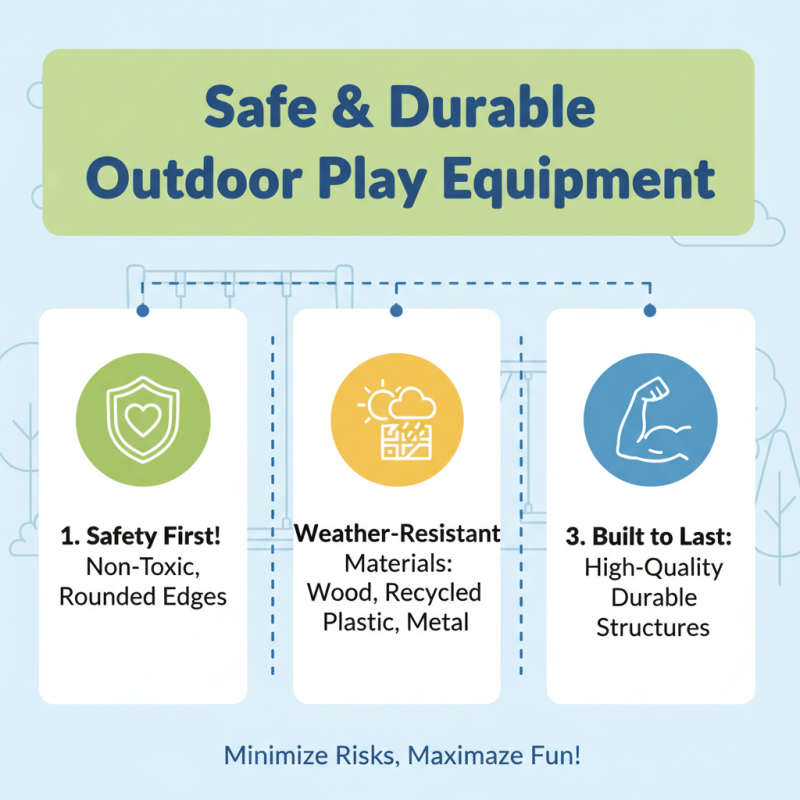
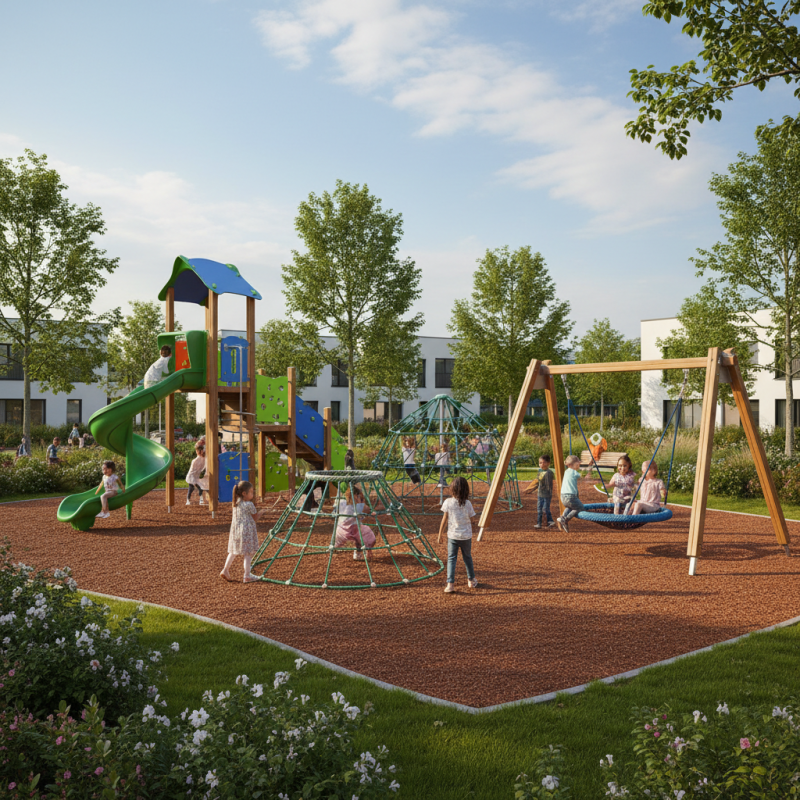
Choosing safe and durable play area equipment is essential for outdoor spaces. Safety should always come first. When selecting equipment, look for materials that are non-toxic and weather-resistant. Structures made from high-quality wood, recycled plastic, or metal can withstand the elements. Additionally, ensure that the equipment has rounded edges to minimize injury risks.
Durability is just as critical. Equipment must endure daily wear and tear from children playing. Regular maintenance helps identify issues before they become hazards. Inspect for rust, loose bolts, and surface wear. These small actions uphold safety standards and extend the lifespan of the equipment. Keep a checklist for maintenance to stay organized.
Many play areas fail to engage children fully. This might be due to the lack of variety. Incorporating climbing structures, slides, and sensory play features encourages exploration. Think about access for children of all abilities as well. Creating inclusive spaces enriches everyone’s experience. Always remember to reflect on how the equipment meets community needs.
Types of Play Equipment That Encourage Active Play and Learning
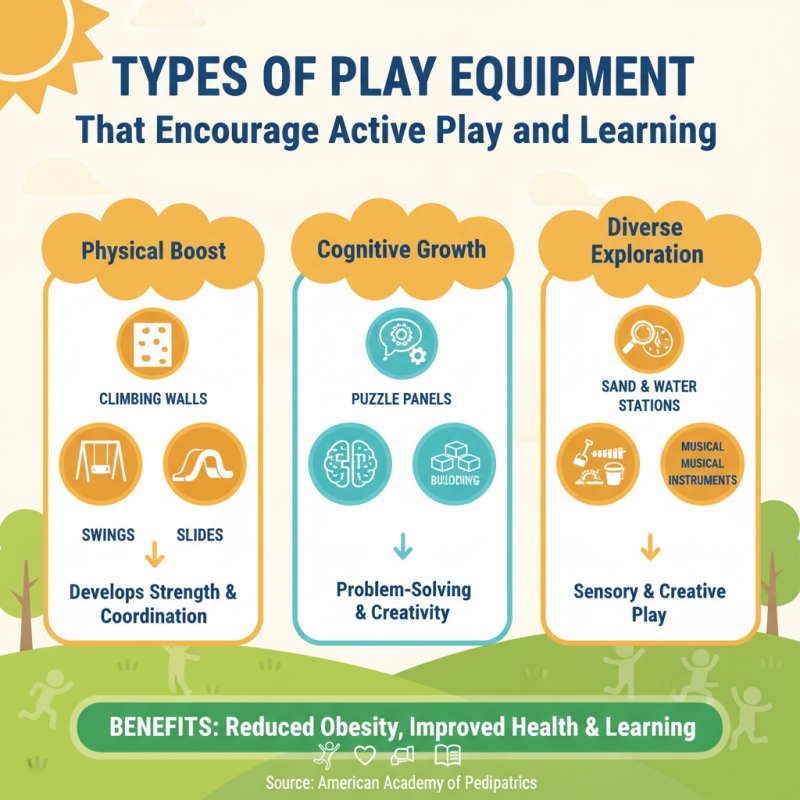
Engaging outdoor play areas are essential for children's growth. Selecting the right play equipment can enhance both physical activity and cognitive development. According to the American Academy of Pediatrics, active play reduces childhood obesity and improves overall health. Structures like climbing walls, swings, and slides can encourage kids to explore and develop their physical skills. Incorporating diverse equipment promotes various types of play, catering to different interests and abilities.
For optimal benefits, consider implementing equipment suited for collaborative play. Features like team slides and obstacle courses enhance social skills. Research shows that children who engage in cooperative play tend to demonstrate better communication skills. It's important to regularly assess the condition of play equipment to ensure safety and longevity, as maintenance can often be overlooked.
Tips: Regularly inspect play areas for safety hazards. Create zones with different activity types to cater to diverse interests. Encourage kids to explore and take risks within safe parameters. Outdoor spaces that promote active ideas can make learning fun and beneficial. Ensuring kids play safely helps them build confidence and foster teamwork.
Designing Inclusive Play Areas for Children of All Abilities
Designing inclusive play areas is essential for fostering environments where all children can thrive. These spaces should feature equipment that caters to various abilities. Consider swings with harnesses that assist children with mobility challenges. These swings enable them to experience the joy of soaring through the air. Sensory panels and tactile pathways can also engage children’s different senses. Such elements encourage exploration, creativity, and social interaction.
Creating an inclusive space comes with challenges. It requires thoughtful planning and collaboration with families and experts in child development. Not every design will meet the needs of all children on the first try. Feedback from users is crucial. Observing how children interact with the equipment can provide insights for future improvements. Adaptations might be necessary to ensure that every child feels welcome and engaged.
At the heart of an inclusive play area is the understanding that play is fundamental to development. Each child should have the opportunity to learn, connect, and build confidence. Engaging outdoor spaces can be designed to inspire curiosity and cooperation. By prioritizing inclusivity, we elevate the play experience for every child, no matter their ability.
Best Play Area Equipment for Engaging Outdoor Spaces
Maintaining and Inspecting Outdoor Play Equipment for Safety
Maintaining outdoor play equipment is essential for safety and longevity. According to the Consumer Product Safety Commission (CPSC), about 20,000 children visit emergency rooms annually due to injuries related to playground equipment. Regular inspections can reduce these incidents, ensuring children have a safe space to play.
Effective inspections should occur at least twice a year. Check for rust, loose bolts, and sharp edges. Make sure surfaces are appropriate. Recommendations suggest using materials like wood fiber or rubber mulch to soften falls and prevent injuries. Keeping play areas clean and free of debris can also minimize hazards.
It's important to engage kids in safety discussions. Teaching them about safe play can cultivate a culture of awareness. However, equipment wear can be deceptive. What looks fine may hold hidden risks. Regular exposure to weather can degrade materials unexpectedly. Addressing these subtle issues is a mark of careful maintenance.
Best Play Area Equipment for Engaging Outdoor Spaces
| Equipment Type |
Age Group |
Engagement Level |
Safety Features |
Maintenance Frequency |
| Climbing Frame |
3-12 years |
High |
Soft edges, Non-slip surfaces |
Monthly |
| Swing Set |
2-10 years |
Medium |
Safety harness, Ground mats |
Weekly |
| Slides |
3-10 years |
Medium |
Rounded edges, Low height |
Bi-monthly |
| Sandpit |
2-8 years |
High |
Covered when not in use, Non-toxic sand |
Weekly |
| Balance Beams |
4-12 years |
Medium |
Sturdy construction, Non-slip surfaces |
Monthly |
Incorporating Natural Elements in Outdoor Play Spaces for Exploration
Incorporating natural elements into outdoor play spaces can significantly enhance children's engagement.
Trees, rocks, and water features provide diverse textures and sensory experiences. Climbing on logs or balancing on stones encourages physical development. Children are naturally curious and drawn to these organic materials.
Exploration is key in outdoor settings. Adding plants, flowers, and small gardens invites children to interact with their environment. They can learn about colors, shapes, and even insects. It can also promote a sense of responsibility, as they care for living things. However, it’s important to consider safety. Not all natural elements are safe for play. Some plants can be toxic, and uneven surfaces may lead to falls.
Creating these spaces involves a thoughtful design. Parents and educators should consider the age range of the children. Natural features can challenge a child's comfort zone. Balancing risk and safety is essential for meaningful play. While kids thrive in adventurous environments, they also need supervision and guidance.


 CONTACT NUMBER
 CONTACT NUMBER
 CONTACT NUMBER