How to Choose the Best Indoor Play Equipment for Commercial Use in 2025
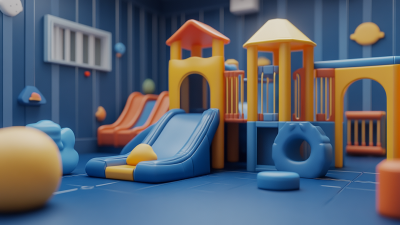
As the indoor recreation industry continues to evolve, the demand for high-quality Indoor Play Equipment Commercial options is on the rise. Business owners looking to enhance their facilities for children and families must navigate a myriad of choices to find the best equipment that meets both safety standards and engagement needs. In 2025, selecting indoor play equipment involves not just simple functionality but also a keen understanding of emerging trends, customer preferences, and the latest innovations in play design.
When evaluating indoor play equipment for commercial use, factors such as space optimization, age appropriateness, and durability are crucial. Facilities need to create an environment that fosters creativity and physical activity while ensuring a safe, enjoyable experience for their young patrons. Moreover, considerations around versatility and maintenance can greatly influence the long-term success of the investment. This article will explore essential guidelines and trends that can assist business owners in making informed decisions about indoor play equipment, ensuring they can provide a vibrant, engaging play experience that stands out in the competitive market.

Factors to Consider When Selecting Indoor Play Equipment for Businesses
When choosing indoor play equipment for commercial use in 2025, several key factors must be considered to ensure the success of the investment. First and foremost, safety should be the top priority. According to the International Playground Safety Institute, more than 200,000 children visit hospitals annually due to playground-related injuries. It’s crucial to select equipment that adheres to industry safety standards, such as ASTM and CPSC guidelines, to provide a secure environment for kids. Additionally, the equipment should feature soft edges, non-toxic materials, and adequate cushioning to minimize the risk of injuries.
Another critical aspect to consider is the age appropriateness of the equipment. Different age groups require varied play experiences, and understanding your target audience will help determine the types of equipment to invest in. A report by IBISWorld indicates that businesses catering to children aged 3-12 years can attract a broader customer base if they provide diverse play options that suit various developmental stages. This inclusiveness not only enhances child engagement but also encourages repeat visits.
Tips: When evaluating indoor play equipment, always check customer reviews and feedback to gauge satisfaction and performance. Additionally, consider the space available for installation—measuring dimensions will prevent overcrowding and ensure a pleasant environment for both children and supervising adults. Finally, don't overlook the importance of maintenance; opt for equipment that requires minimal upkeep yet remains durable over time to protect your investment.
Trends in Indoor Play Equipment for Commercial Spaces in 2025
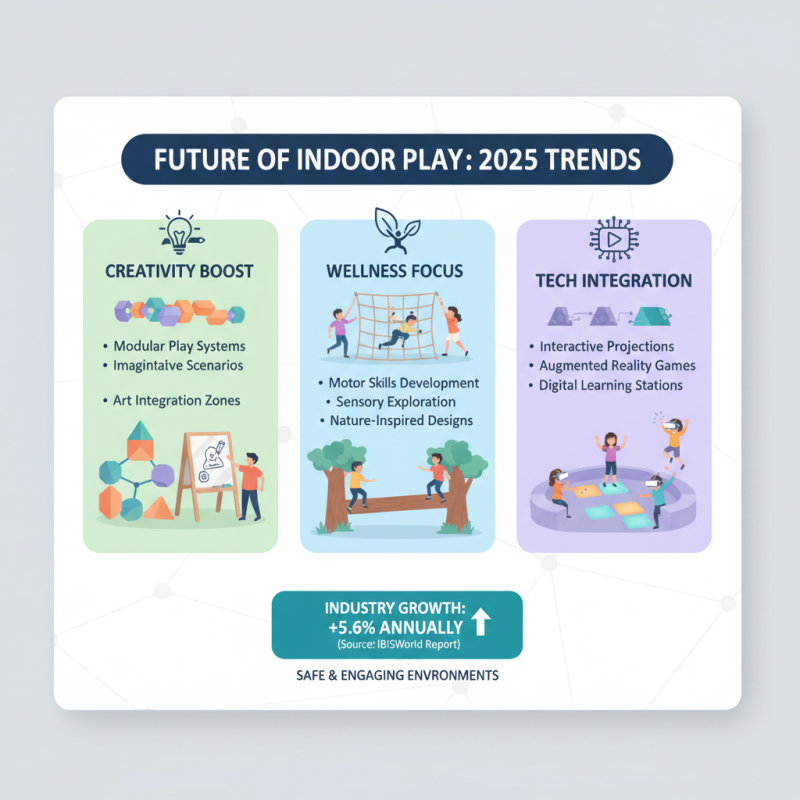
In 2025, the trends in indoor play equipment for commercial spaces will be shaped by the increasing focus on creativity, wellness, and technological integration. According to a report by IBISWorld, the indoor playground industry is projected to grow by 5.6% annually, driven by the rising demand for safe and engaging play environments. Facilities are expected to incorporate modular play systems that enhance children's motor skills and imaginative play, reflecting a shift toward educational value in recreational spaces.
Moreover, sustainability will play a crucial role in equipment selection. A recent study from the International Indoor Play Association revealed that consumers prioritize eco-friendly materials, with over 70% of respondents indicating they are more likely to support businesses that utilize sustainable products. Consequently, commercial spaces will increasingly invest in durable, non-toxic, and recyclable materials in their play structures, catering to environmentally conscious families. This not only aligns with the current consumer mindset but also contributes to long-term operational savings.
Additionally, the integration of technology in play equipment will become more prevalent. Industry reports indicate that interactive play installations, such as augmented reality (AR) or gamified structures, can enhance engagement and learning outcomes. As spaces adapt to attract tech-savvy families, stakeholders will need to ensure that their offerings align with these advancements, creating immersive experiences that captivate children while providing educational benefits.
Safety Standards and Regulations for Indoor Play Equipment
When selecting indoor play equipment for commercial use in 2025, safety standards and regulations are paramount. The International Play Equipment Manufacturers Association (IPEMA) emphasizes that adherence to certified safety standards significantly reduces the risk of injuries, which are estimated to exceed 200,000 annually according to data from the U.S. Consumer Product Safety Commission. Compliance with the ASTM F1487 standard, which outlines safety requirements for play equipment, is crucial for operators in ensuring a safe environment for children.
Tips: When evaluating indoor play equipment, always look for products that have been tested and certified by recognized safety organizations. This ensures they meet the necessary safety standards and will provide a secure playing environment for children. Regular safety audits and maintenance checks should also be part of your operating procedures.
Furthermore, it's essential to consider the age group of the children who will use the equipment. The American Academy of Pediatrics recommends that equipment be designed to cater to specific developmental stages to minimize risks. For instance, incorporating features that allow for easy supervision by staff can further enhance safety protocols.
Tips: Train your staff on proper equipment use and emergency procedures. A well-informed team can quickly address any issues, ensuring a safer play experience for children. Regularly update your safety training to stay compliant with evolving regulations.
Safety Standards for Indoor Play Equipment in 2025
Durability and Maintenance Requirements of Commercial Play Equipment
When selecting indoor play equipment for commercial use, durability and maintenance requirements are critical factors that cannot be overlooked. Commercial environments, such as children's centers or daycares, experience high traffic and frequent use, making it essential to choose equipment that can withstand the rigors of daily operation. Look for materials that are robust, such as high-density plastics and heavy-duty metal frames, which not only offer longevity but also enhance safety. Additionally, surfaces should be designed to resist wear and tear while being easy to clean, ensuring optimal hygiene for users.
Maintenance is another key component to consider when evaluating play equipment. Regular inspections and maintenance schedules should be established to address wear issues before they become serious. Opt for designs with fewer intricate parts that could break or malfunction, simplifying the repair process. Equipment that can be easily disassembled for maintenance or replacing worn components can also save time and costs in the long run. Choosing indoor play equipment with user-friendly maintenance features ensures that safety and playability remain high, keeping children engaged and happy while minimizing downtime for repairs.
How to Choose the Best Indoor Play Equipment for Commercial Use in 2025 - Durability and Maintenance Requirements of Commercial Play Equipment
| Equipment Type |
Material |
Durability Rating (Years) |
Maintenance Frequency (Months) |
Safety Standards Compliance |
| Indoor Jungle Gym |
Metal & Plastic |
10 |
6 |
ASTM & EN1176 |
| Soft Play Areas |
Foam & Vinyl |
8 |
12 |
ASTM & CPSC |
| Climbing Walls |
Fiberglass & Wood |
15 |
3 |
UIAA & ASTM |
| Ball Pits |
Plastic & Mesh |
7 |
6 |
ASTM |
| Slides |
Plastic |
10 |
12 |
ASTM & EN1176 |
Popular Types of Indoor Play Equipment for Various Age Groups
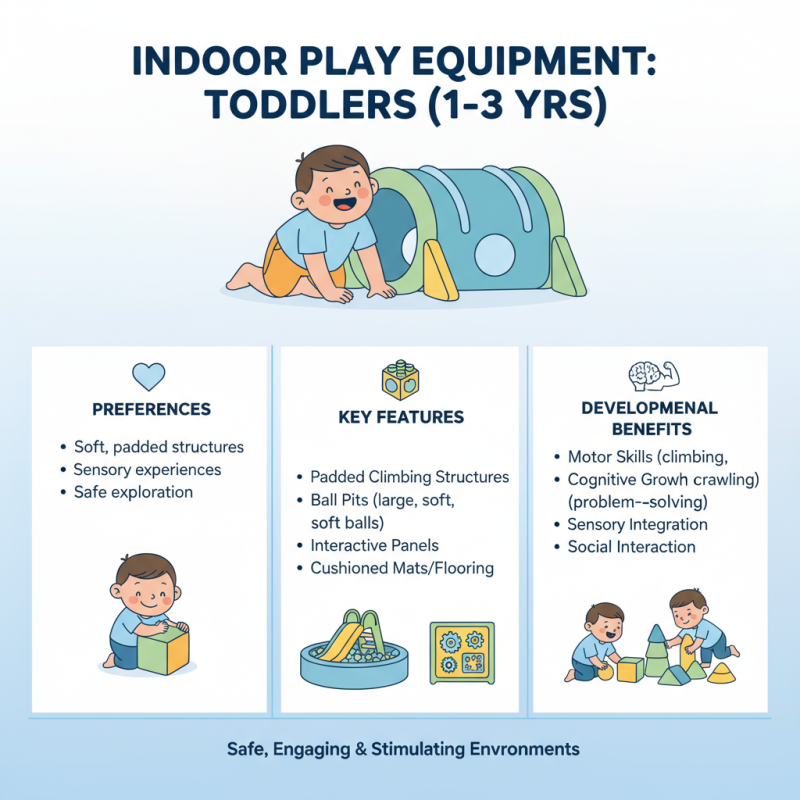
When selecting indoor play equipment for commercial use, understanding the preferences and developmental needs of various age groups is crucial. For toddlers aged 1-3, soft play structures and sensory play items are popular choices. These include padded climbing structures, ball pits, and interactive panels that promote motor skills and cognitive development while ensuring safety through cushioned materials. The aim is to create a welcoming environment that stimulates curiosity and encourages exploration.
As children advance to preschool age, typically 3-5 years, they benefit from more complex play options. Multi-level play systems that incorporate slides, tunnels, and obstacle courses encourage physical activity and social interaction among peers. This age group thrives on imaginative play, so equipment that fosters creativity, such as playhouses or themed activities, can enhance the play experience. For older children, aged 6-12, you can introduce more challenging elements, such as climbing walls and sports equipment that promotes agility, coordination, and teamwork, catering to a competitive spirit. In this way, it is essential to select versatile equipment that engages children across different age ranges, ensuring a dynamic and enjoyable indoor play experience for everyone.


 CONTACT NUMBER
 CONTACT NUMBER
 CONTACT NUMBER