How to Choose the Best Outdoor Play Structures for Your Backyard
Choosing the best outdoor play structures for your backyard is not just about aesthetics; it's about creating an enriching environment that fosters physical activity, social interaction, and imaginative play for children. As families increasingly prioritize outdoor activities, the outdoor play structures market has seen significant growth, projected to reach $2.3 billion by 2025, according to industry reports. This surge signifies a rising recognition of the importance of outdoor play in child development.
Expert in the field, Dr. Sarah Thompson, a child development specialist, emphasizes that "accessible outdoor play structures contribute significantly to children's physical and emotional well-being." When selecting play structures, parents should consider safety, durability, and age-appropriate designs to ensure they cater to various developmental stages. As studies continually highlight the benefits of outdoor play, investing in quality outdoor play structures becomes an essential choice for fostering a child's growth and happiness.
Factors to Consider When Selecting Outdoor Play Structures
When selecting outdoor play structures for your backyard, several key factors should be taken into account to ensure that your choice fosters both fun and safety for children. First and foremost, safety should be your top priority. Look for structures made from durable, non-toxic materials that can withstand various weather conditions. Ensure that any edges are rounded, and that the height of the play structures is suitable for the age group using them. Additionally, consider the spacing between components to prevent pinch points, which could lead to injuries.
Another crucial factor is the age appropriateness of the play structure. Children of different ages have distinct play needs and abilities, so it’s essential to choose a structure tailored to your children’s developmental stages. For younger children, simpler structures with low slides and crawl spaces may be ideal, while older kids may enjoy more complex designs featuring climbing walls and zip lines. Lastly, consider the available space in your backyard. Measure the area where you plan to install the play structure to ensure it fits comfortably, allowing for safe play zones around it. Proper planning will enhance both the enjoyment and longevity of the outdoor play equipment.
How to Choose the Best Outdoor Play Structures for Your Backyard
| Feature |
Importance |
Recommended Type |
| Safety |
High |
Playground Set |
| Materials |
Medium |
Wood or Steel |
| Size |
High |
Compact or Large |
| Age Range |
High |
Toddler to Teen |
| Installation |
Medium |
DIY or Professional |
| Maintenance |
Medium |
Low-Maintenance Options |
| Budget |
High |
Varied Price Range |
Types of Outdoor Play Structures: Swings, Slides, and Climbing Frames
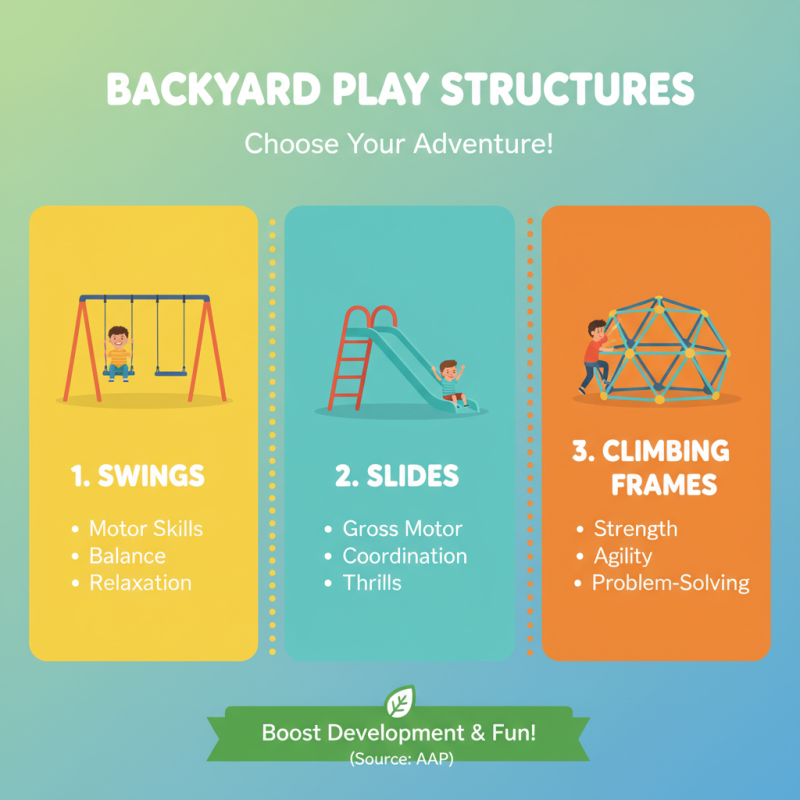
When it comes to selecting the best outdoor play structures for your backyard, understanding the different types available is crucial. The three primary categories include swings, slides, and climbing frames, each offering unique benefits for children's physical development and playtime enjoyment. According to the American Academy of Pediatrics, engaging in outdoor play helps develop children’s motor skills, increase physical fitness, and improve their social interactions with peers, making play structures a valuable addition to any backyard.
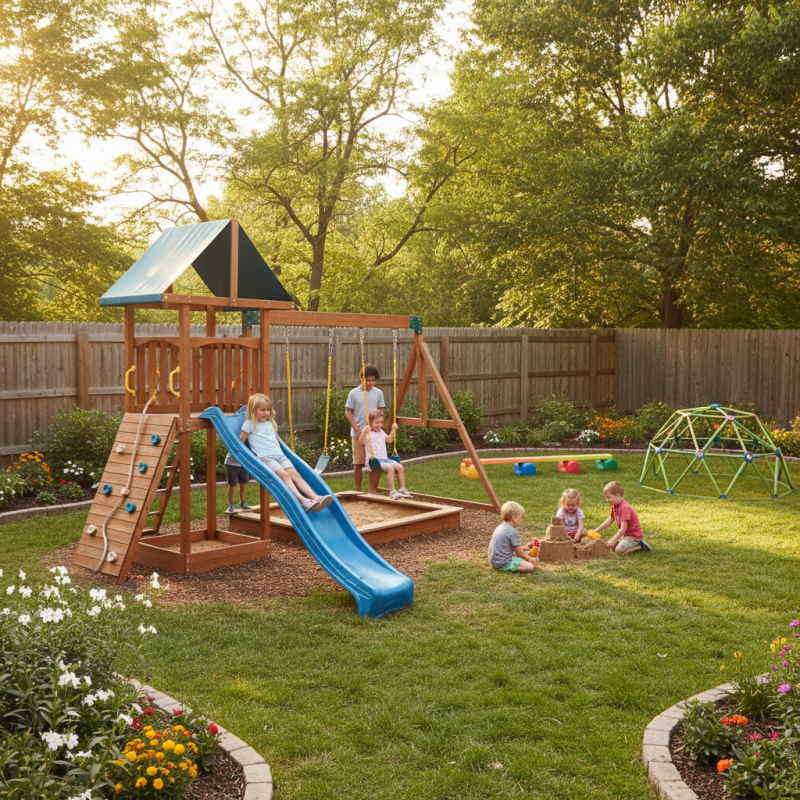
Swings provide a fun and beneficial way for children to exercise and develop balance and coordination. Studies have shown that swinging can enhance a child's vestibular system, which is essential for spatial orientation. On the other hand, slides can contribute to a child's critical thinking and problem-solving skills as they learn how to navigate heights and speed. Research indicates that play structures incorporating slides encourage imaginative play, as kids often create scenarios that enhance their cognitive development. Lastly, climbing frames are essential for gross motor skill development. Climbing activities help enhance strength, agility, and risk assessment, all of which are crucial for a child's physical growth. The International Playground Equipment Manufacturers Association reports that climbing structures can significantly improve a child's overall athletic ability and confidence as they master more challenging climbs.
Incorporating these types of outdoor play structures caters to diverse interests and developmental needs, ensuring that children not only have fun but also engage in essential physical and cognitive growth through play.
Safety Features to Look for in Backyard Play Equipment
When selecting outdoor play structures for your backyard, safety should be your top priority. Start by checking for sturdy construction. Look for materials that are robust and weather-resistant, such as treated wood or high-quality plastics. Structures should feature rounded edges and no sharp points to prevent injuries during play. Additionally, ensure that all components, including swings and slides, are securely fastened to withstand energetic use.
Another essential safety feature is the flooring surrounding the play structures. Opt for cushioned surfaces like mulch, rubber mats, or grass to help absorb falls and reduce the risk of injury. It's also crucial to verify that any climbing apparatus has adequate height restrictions to prevent falls from dangerous heights. Lastly, consider incorporating safety barriers or gates to keep younger children secure while they play. These thoughtful measures can significantly enhance the safety of your backyard play equipment, ensuring a fun and secure environment for kids.
Sizing and Space Requirements for Outdoor Play Structures
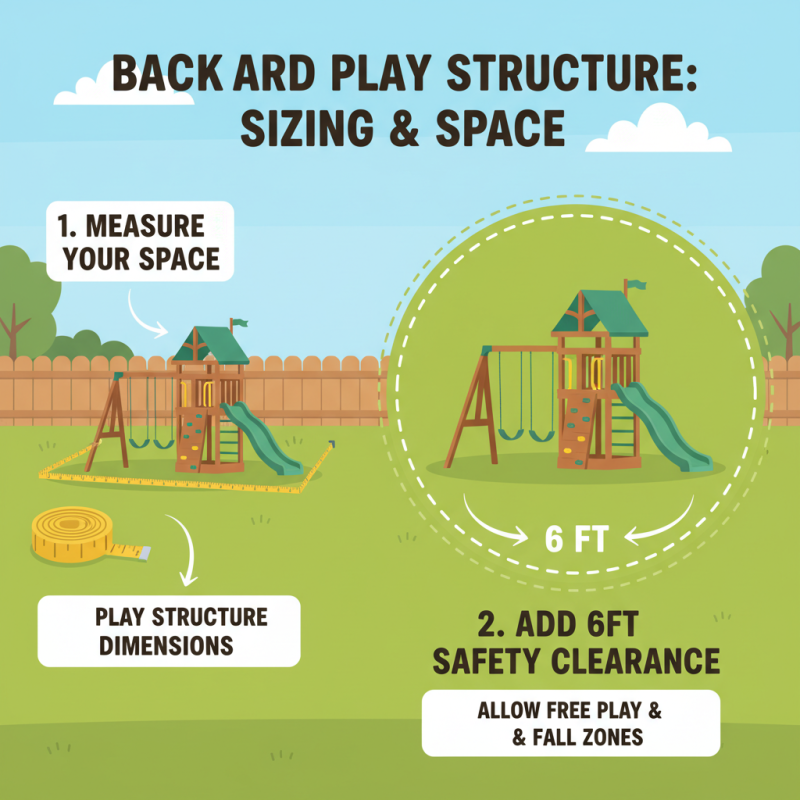
When selecting an outdoor play structure for your backyard, understanding the sizing and space requirements is essential to ensure safety and functionality. Begin by measuring the available space in your yard. Consider both the dimensions of the play structure itself and the necessary clearance around it. Generally, it is recommended to have at least 6 feet of safety space around the playset to prevent accidents. This area not only allows children to play freely but also accommodates any fall zones that might be required for certain structures, especially those with slides or climbing features.
Another key consideration is how the play structure will fit into your landscaping and existing yard features. Take into account the proximity to fences, trees, or other obstacles, as well as the slope of your yard, which can impact installation and stability. It’s also vital to think about the age range of children who will be using the play structure. Designing the layout to accommodate children’s growth and varying play styles will enhance the structure's longevity and usability. By carefully evaluating these aspects, you can create a safe and fun outdoor play area that encourages physical activity and imagination.
Material Choices and Durability for Long-lasting Play Equipment
When selecting outdoor play structures for your backyard, the choice of materials is paramount in ensuring durability and longevity. According to a report by the American Society for Testing and Materials (ASTM), wood and metal are the two most popular materials used in manufacturing play equipment, with each offering distinct advantages.
For instance, pressure-treated wood is favored for its natural appearance and resilience against rot and insects, though it requires regular maintenance to prevent deterioration. On the other hand, metal frames, often galvanized or powder-coated, can withstand harsh weather conditions and are less susceptible to wear and tear, making them ideal for long-lasting outdoor use.
Additionally, the choice of plastic materials is gaining traction, particularly in molded structures designed for younger children. The International Playground Equipment Manufacturers Association (IPEMA) notes that high-density polyethylene (HDPE) is a common choice due to its strength, UV resistance, and low maintenance requirements. As outdoor play structures are exposed to various environmental elements, selecting materials that can resist fading, cracking, and rusting is crucial.
Durable materials not only enhance safety but also extend the life of the play equipment, ultimately providing a lasting investment for families.


 CONTACT NUMBER
 CONTACT NUMBER
 CONTACT NUMBER