How to Choose the Best Outdoor Playground Structures for Kids?
Choosing the right Outdoor Playground Structures for kids can be a daunting task. With the increasing focus on child development, the playground plays a vital role. According to a 2022 report from the Outdoor Industry Association, more than 75% of parents seek safe and engaging play areas for their children. However, selecting structures that promote physical and social development can be challenging.
Expert John Miller, a recognized authority in outdoor play design, emphasizes, "The right structures not only entertain but educate through play." His insights remind us that functional design must meet children’s diverse needs. Many structures may look appealing but lack essential safety features. Parents need to observe how designs support interactive play and ensure social engagement among kids.
A thoughtful approach is essential. Not every colorful slide or climbing frame is suitable. Consider the space available and the age group of the users. Factors like material quality and resilience to weather are critical too. Striking a balance between aesthetics and practicality can be difficult but necessary. Parents often overlook these aspects, leading to regrettable decisions on playground equipment.
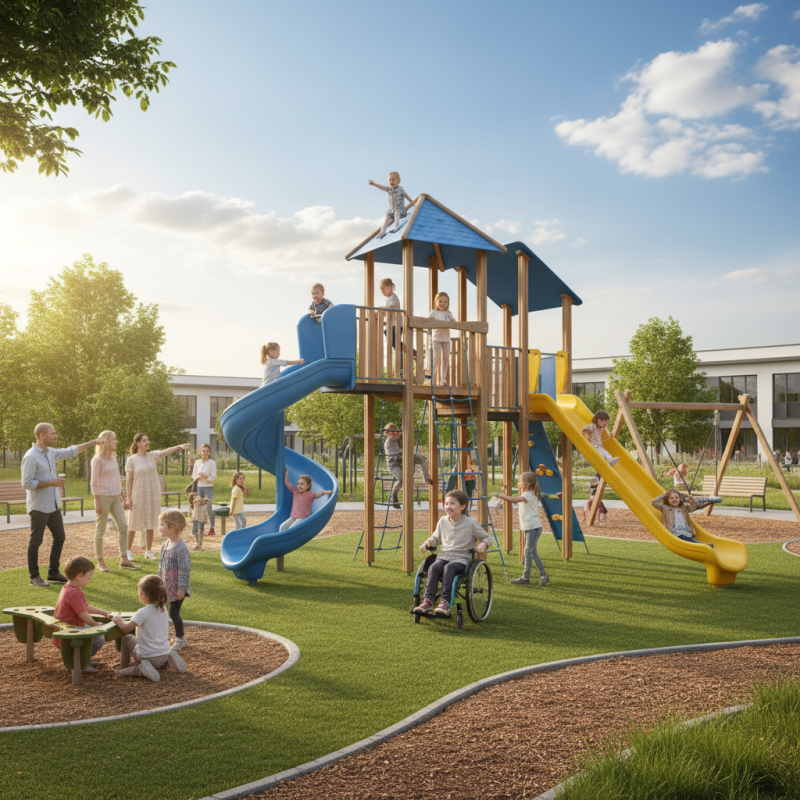
Understanding the Importance of Age-Appropriate Playground Structures
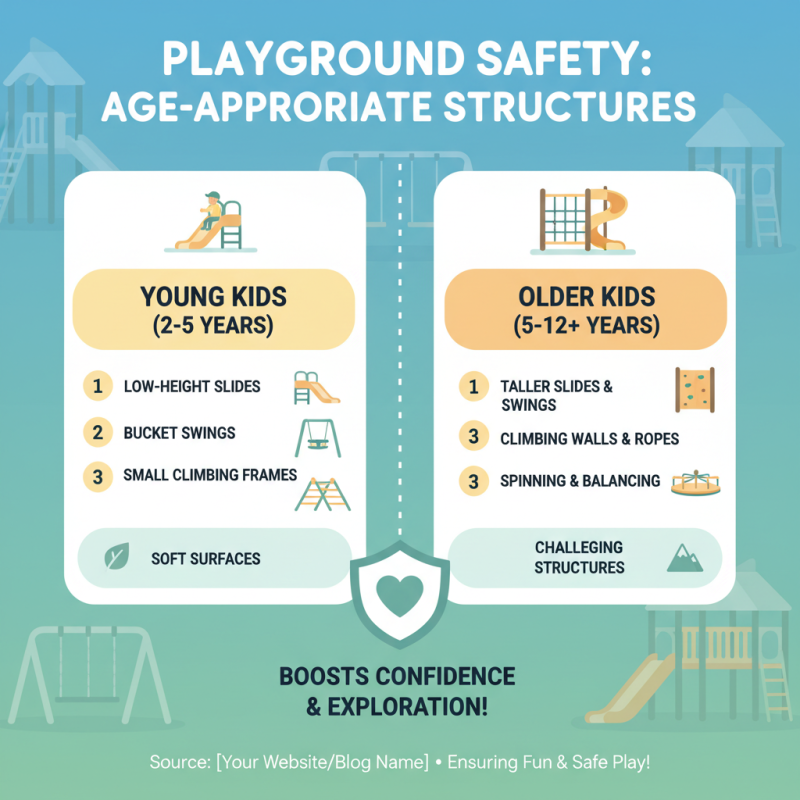
Choosing age-appropriate playground structures is crucial for children's safety and enjoyment. Young kids need equipment that matches their developmental skills. Slides and swings should be at suitable heights. An appropriate play area can boost their confidence and encourage exploration.
Tips for parents: Check the age recommendations on playground equipment. Ensure the structure is designed for your child's age group. Playgrounds may feature different sections for toddlers and bigger kids. Mixing ages can lead to accidents.
Safety also depends on proper supervision. Parents should closely watch children playing. Equipment should be well-maintained. Inspect for wear and tear regularly. Kids often ignore risks, so adults must step in. Encourage safe play habits, like waiting for turns. The right playground structure nurtures growth and social skills.
Evaluating Safety Standards and Certifications for Outdoor Play Equipment
When selecting outdoor playground structures for kids, safety is paramount. Safety standards and certifications play a crucial role in ensuring the equipment is designed for the well-being of children. Check for certifications from recognized organizations. This can include ASTM and CPSC standards. These organizations assess the safety of materials and design.
Tips: Always ask for safety test reports. Look for equipment that has rounded edges and non-toxic materials. Prioritize structures that meet age-appropriate guidelines. A range of equipment for different age groups is vital.
Consider the maintenance of the playground. Worn or damaged equipment can be hazardous. Regular inspections can help identify problems early. Encourage the community to be aware and report any wear and tear. Safety doesn’t end with installation; ongoing vigilance is important.
Playgrounds should be fun, but they also need to be safe. Reflect on your local environment. Is the area secure? Are there potential hazards around? Involving children in choosing might offer insights into their preferences and needs. Balancing adventure with safety is key.
Selecting Materials for Durability and Weather Resistance in Play Structures
When choosing outdoor playground structures for kids, the materials play a vital role. Weather-resistant materials are crucial. They must withstand rain, sun, and extreme temperatures. Metal is often durable but can get hot in direct sunlight. Consider using treated wood that resists rot and insects. It's natural and appealing but requires regular maintenance.
Plastics can be a good choice as well. They are lightweight and often colorful, attracting children's attention. However, they may not be as sturdy as other materials. Ensure that the plastic is UV-stabilized to prevent fading and cracking. Some structures have components that combine materials for added strength. These can be a smart option but often come with a higher cost.
Every material choice has its pros and cons. Parents should consider the local climate and how the playground will be used. Some materials might be more prone to wear and tear. Regular inspections are necessary to ensure safety. Understanding the longevity of materials helps in making an informed choice. Balancing aesthetics, safety, and durability can be challenging, but it is essential for enhancing playtime experiences.
Incorporating Inclusive Design for Children of All Abilities in Play Areas
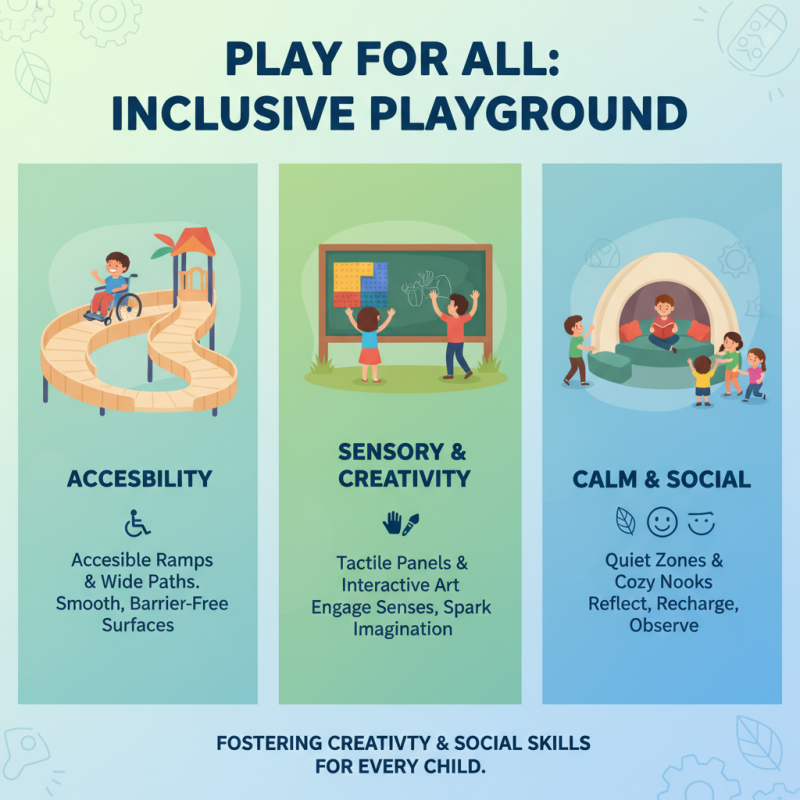
Creating an inclusive playground is essential for fostering creativity and social skills in all children. It should cater to various abilities. Accessible ramps, tactile panels, and wider paths can help ensure that everyone can play. Zones for quiet activities are also beneficial. These spaces allow children who may feel overwhelmed to enjoy their time outdoors.
However, implementing inclusive designs is not always straightforward. Some structures may still present challenges. For instance, certain equipment might be too high for children with mobility issues. It's crucial to seek feedback from families and educators. They can provide insights on what works and what doesn’t. Engaging the community helps bridge gaps and build better spaces.
Additionally, consider sensory-stimulating elements. Audit your design for potential sensory overload areas. Bright colors and loud sounds can be overwhelming for some kids. Thinking through these factors can make a difference. Creating a truly inclusive playground requires ongoing reflection and adaptation. It’s a journey that involves everyone.
Analyzing Space Requirements and Site Planning for Playground Installations
When planning a playground, consider space requirements carefully. Kids need room to run and explore. Analyze the available area to ensure safety and accessibility. Think about pathways, seating for adults, and shade. These elements are crucial for a functional space.
Visualize the layout before installation. Walk through the site. Identify obstacles like trees or existing structures. Remove any potential hazards. This step minimizes risks during play. Effective site planning can boost the playground's usability. But, be aware; not every design will fit perfectly.
Remember, flexibility is key. Children grow and change interests, and so do their play needs. Regularly assess the playground's condition. Gather feedback from parents and teachers. Adjustments might be necessary over time. This reflection can enhance the play experience significantly.
How to Choose the Best Outdoor Playground Structures for Kids?
| Playground Structure Type |
Age Group |
Space Required (sq ft) |
Safety Considerations |
Installation Complexity |
| Swings |
2-12 years |
150 |
Use impact-absorbing surfacing |
Medium |
| Slides |
2-12 years |
100 |
Ensure proper height & stability |
Medium |
| Climbing Structures |
5-12 years |
200 |
Check for sturdy grips and fall zones |
High |
| Seesaws |
4-10 years |
120 |
Use a soft surface |
Low |
| Monkey Bars |
5-12 years |
150 |
Ensure stability and safety height |
High |


 CONTACT NUMBER
 CONTACT NUMBER
 CONTACT NUMBER