Why Choose Indoor Playground Structures for Child Development?
Indoor playground structures serve as valuable tools for child development. According to industry expert Dr. Emily Johnson, "These structures promote physical activity and social interaction among children." Engaging in play within these environments enhances a child's motor skills, coordination, and teamwork.
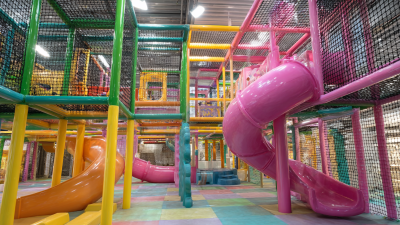
Children often gravitate toward vibrant playgrounds. The colorful structures invite exploration and imagination. However, not all play areas are equally beneficial. Some designs lack safety features or creativity. Parents and caregivers must choose wisely to ensure a secure and enriching experience.
Equipping children with opportunities for active play is vital. Indoor playground structures provide a safe space, especially during inclement weather. They encourage kids to move and stimulate their minds. A well-designed indoor playground can bridge gaps in development. Thoughtful selection can lead to a significant impact on a child's growth journey.
Importance of Indoor Playground Structures for Child Development
Indoor playground structures play a crucial role in child development. According to recent studies, physical activity is essential for children's health and happiness. Children need at least 60 minutes of active play each day. Indoor playgrounds offer a safe and controlled environment for kids to explore. These spaces encourage movement, which builds strength and coordination. Research indicates that active play impacts cognitive skills as well.
Engagement in play promotes social skills. Children interact with peers, learn to share, and develop friendships. A 2021 report highlighted that children who frequently engage in structured play show improved teamwork abilities. However, not all playgrounds are created equal. Some lack engaging features that stimulate children's imagination. This can hinder their growth, leading to missed opportunities for skill development.
Moreover, safety remains a significant concern. Regular maintenance and innovative designs are necessary to create secure play environments. Unfortunately, some facilities fall short, leaving children vulnerable to injury. Parents should inspect playgrounds for safety measures. A well-designed indoor playground can boost confidence and spark creativity while providing a solid foundation for lifelong skills.
Cognitive Benefits of Play: Enhancing Learning through Indoor Play Areas
Indoor play areas offer unique opportunities for child development. These spaces foster cognitive skills through engaging activities and interactive environments. When children explore different structures and play equipment, they enhance problem-solving abilities. Climbing, sliding, and jumping ignite their imagination.
These activities can sometimes be chaotic. Children might not always follow rules or cooperate with others. However, this can lead to valuable lessons. They learn to negotiate and communicate with peers. Messy play can spark creativity, inspiring innovative thinking.
The diverse sensory experiences in indoor playgrounds stimulate curiosity. Bright colors and varied textures captivate young minds. Each interaction challenges children to think critically. They discover cause and effect through their play. This kind of exploration is essential for brain development. While not every play session is perfect, the benefits are profound and lasting.
Why Choose Indoor Playground Structures for Child Development? - Cognitive Benefits of Play: Enhancing Learning through Indoor Play Areas
| Aspect |
Description |
Benefits |
| Physical Activity |
Promotes movement through climbing, sliding, and balancing. |
Improves motor skills and physical health. |
| Social Interaction |
Facilitates play between kids from diverse backgrounds. |
Enhances social skills, teamwork, and communication. |
| Creativity |
Encourages imaginative play with various structures. |
Boosts creativity and problem-solving abilities. |
| Cognitive Development |
Involves activities that require strategic thinking. |
Improves cognitive skills such as planning and decision-making. |
| Emotional Regulation |
Allows children to experience and manage emotions through play. |
Fosters emotional intelligence and resilience. |
Physical Development and Coordination: Role of Indoor Play Structures
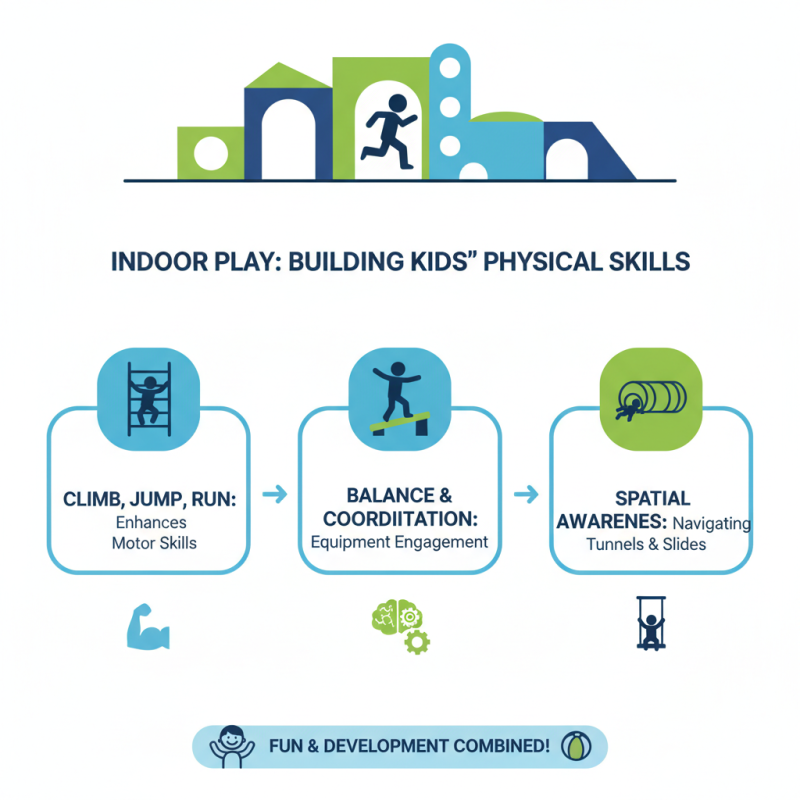
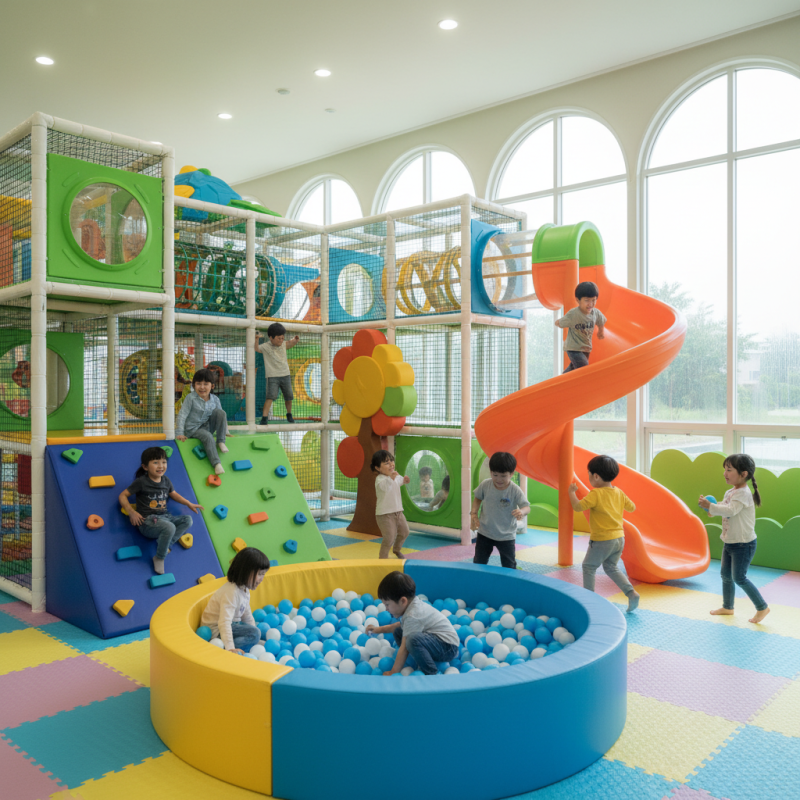
Indoor playground structures play a crucial role in a child's physical development. These environments encourage kids to climb, jump, and run, which enhances their motor skills. Children engage with various equipment, promoting balance and coordination. For instance, navigating through tunnels can improve spatial awareness. Swings and slides invite kids to experiment with gravity, fostering a sense of control.
However, not all children respond the same way to indoor play. Some may feel overwhelmed by the structures or unsure of how to interact with them. That’s where caregivers can step in. Encouraging a child to try new activities can help build their confidence. Even simple actions, like reaching for the next rung on a climbing wall, can boost their self-esteem.
It's also essential to recognize when a child might need support. Some kids might struggle with coordination or fear falling. Providing reassurance can ease their anxiety, allowing them to explore freely. While indoor playgrounds offer myriad opportunities, the focus should remain on creating enjoyable and safe experiences. Each child’s journey in developing physical skills can be unique and should be nurtured patiently.
Social Skills and Emotional Growth: Interaction in Indoor Play Environments
Indoor playground structures are more than just fun spaces. They are essential for children’s social skills and emotional growth. In these vibrant environments, kids interact freely. They learn to share, cooperate, and resolve conflicts. These interactions can be challenging. Sometimes, children may struggle to make friends or navigate disagreements. That’s part of learning.
Every play session presents opportunities. A child might find a new friend while climbing together. Another child could feel overwhelmed by a larger group. These moments are crucial for development. They teach kids resilience and empathy. Children learn to understand feelings, both their own and others'. Emotional growth flourishes in these playful exchanges.
The beauty of indoor play is in its diversity. Kids engage in various activities, from climbing to imaginative play. Each corner offers new experiences. However, not all interactions are smooth. Some children may feel shy. Others may jump in too eagerly. These imperfections are vital. They reflect the reality of social encounters. Through play, children gradually build their emotional toolkit.
Safety and Health Considerations in Designing Indoor Playgrounds for Kids
Indoor playground structures play a vital role in child development. However, safety is paramount when designing these spaces. Studies show that over 200,000 children visit emergency rooms annually due to playground injuries. To mitigate risks, playground equipment should meet safety standards set by national guidelines.
Consider soft landing surfaces. These can reduce falls and impact injuries. According to a report by the American Journal of Public Health, using shock-absorbing materials can lower injury rates by 50%. When planning an indoor playground, think about visibility too. Parents need to see their kids while they play. This fosters a sense of security.
Tips: Regularly inspect equipment for wear and tear. Educate staff on safety practices. Create clear guidelines for children’s age recommendations.
Design also affects health. Good ventilation is essential to prevent the spread of germs. Studies from the Centers for Disease Control and Prevention indicate that proper air circulation reduces illness in play areas. Reflect on the materials used; non-toxic, hypoallergenic options are best. Balance aesthetics with health performance in your designs.


 CONTACT NUMBER
 CONTACT NUMBER
 CONTACT NUMBER