How to Choose the Best Trampoline for Trampoline Park?
Choosing the best trampoline for your trampoline park is a crucial decision. The right trampoline can enhance the fun experience for visitors. It can also ensure the safety of those who jump.
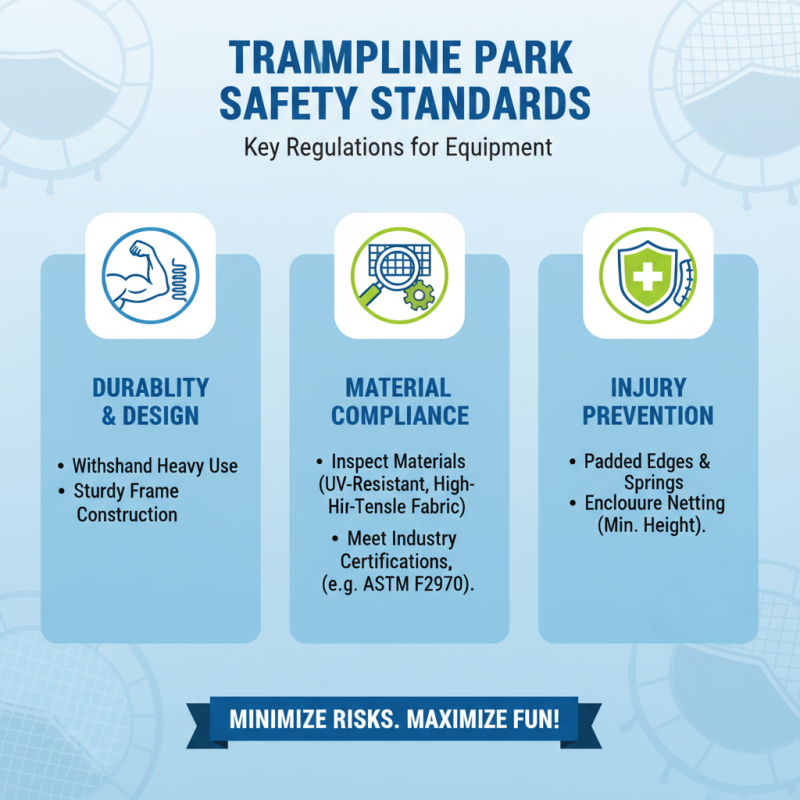
When selecting a trampoline, consider various aspects. Think about size, shape, and materials. Durability is essential for a busy trampoline park. High-quality materials resist wear and tear. This ensures the trampolines last longer. Safety features are just as important. Look for trampolines with safety nets and padded edges. These features help prevent injuries during jumps.
Reflect on the needs of your audience. A trampoline park should cater to different age groups and skill levels. You might want a range of trampolines. Some should be designed for younger children, while others suit experienced jumpers. Finding the right balance can be tricky. Keep in mind the overall flow and layout of the park. This affects how people interact with the trampolines. Ultimately, a well-chosen trampoline can elevate your trampoline park to new heights of excitement and safety.
Factors to Consider When Choosing Trampolines for Trampoline Parks
Choosing the right trampoline for a trampoline park involves multiple critical factors. Safety is paramount. A recent industry report indicated that 14% of trampoline-related injuries occur due to equipment failure. Thus, selecting high-quality materials and reliable construction is essential. Look for trampolines that meet stringent safety standards, such as ASTM or EN certifications.
The size and design of the trampoline play a role in both safety and entertainment value. Larger trampolines provide more jumping area, catering to diverse skill levels. A study by the International Obstacle Sports Association highlighted that parks with varied trampoline designs attract 30% more visitors. This suggests that creativity in design can enhance user experience and increase foot traffic.
**Tip:** Regular maintenance checks can extend the lifespan of trampolines. Inspecting for wear and tear aids in preventing accidents.
Location is another factor. Trampolines should be well-placed to optimize space and ensure a smooth flow of traffic. This could reduce the risk of collisions, a common concern in busy parks. Well-thought-out layouts enhance user enjoyment while maximizing safety.
**Tip:** Gather user feedback to assess the performance of your trampoline setup. It may reveal insights into how to improve layout and equipment choice.
How to Choose the Best Trampoline for Trampoline Park?
| Factor |
Description |
Importance Rating (1-5) |
| Safety Features |
Includes padding, netting, and reinforced frames to minimize injuries. |
5 |
| Durability |
Material quality and weight capacity to withstand frequent use. |
4 |
| Size |
Appropriate dimensions to fit the space while accommodating multiple jumpers. |
4 |
| Bounce Quality |
The type of springs and mat affect the bounce experience. |
5 |
| Maintenance Requirements |
Ease of cleaning and need for regular checks and repairs. |
3 |
| Cost |
Initial investment and long-term operational costs. |
4 |
| Aesthetics |
Visual appeal and how it fits with the park's theme. |
3 |
Analyzing Bounce Performance: Types of Springs and Mat Materials
When selecting a trampoline for a park, understanding the bounce performance is crucial. Two main components significantly affect the bounce: springs and mat materials. High-quality springs contribute to the trampoline's responsiveness. Look for springs that are not only durable but also offer a good tension balance. The length and thickness of the springs can alter the bounce height. It's essential to weigh these factors when evaluating performance.
The mat material also plays a vital role. A well-constructed mat allows energy transfer for higher jumps, while poor materials can dampen the experience. Materials like polypropylene are popular due to their strength and resistance to wear. However, not all mats are created equal. Some may fade or wear out faster than others, affecting the overall reliability of the trampoline.
It's crucial to consider your specific needs. Think about the types of activities that will take place. Will users need a softer landing for tricks? Or is maximum height a priority? Each trampoline design can cater to different preferences. This reflection on the intended use can guide you toward the best options available. Ultimately, making an informed choice will lead to greater enjoyment and safety in a trampoline park setting.
Space and Layout Requirements for Trampoline Park Design
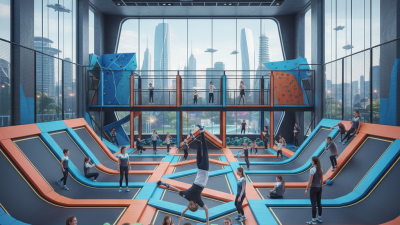
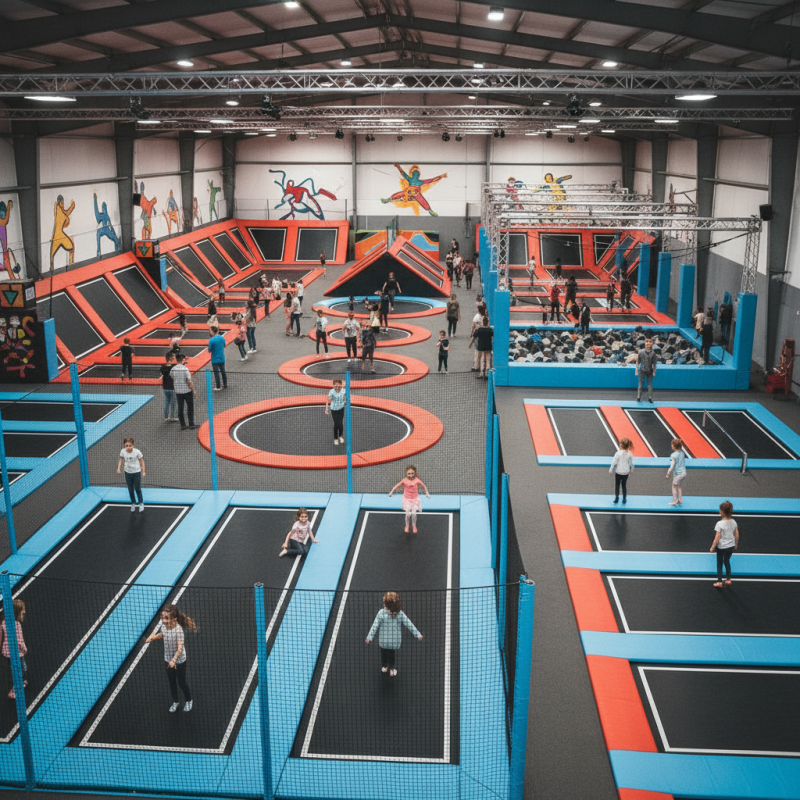
When designing a trampoline park, space and layout are crucial factors. The overall area should allow for diverse activities. Aim for sections dedicated to freestyle jumps, foam pits, and dodgeball courts. Each zone needs adequate space for safety and movement. Open designs help facilitate better flow. However, navigating the correct balance of diverse attractions can be challenging.
Consider the ceiling height as well. A minimum of 15 to 20 feet is ideal for optimal jumping experience. This allows for tricks and flips while ensuring safety. Floor space should be ample but not overwhelming. You want to encourage interaction without causing overcrowding. A layout that feels too cramped can deter visitors. Be mindful of the visitor experience when planning.
Reflecting on the design, it's vital to incorporate play zones that cater to various age groups. However, merging these spaces can sometimes lead to safety concerns. Proper signage and designated areas are essential to mitigate risks. Balancing fun and safety is a critical reflection point in trampoline park design. Engaging with professionals can help address these challenges effectively.
Space and Layout Requirements for Trampoline Park Design
Cost-Benefit Analysis: Initial Investment vs. Long-term Maintenance Costs
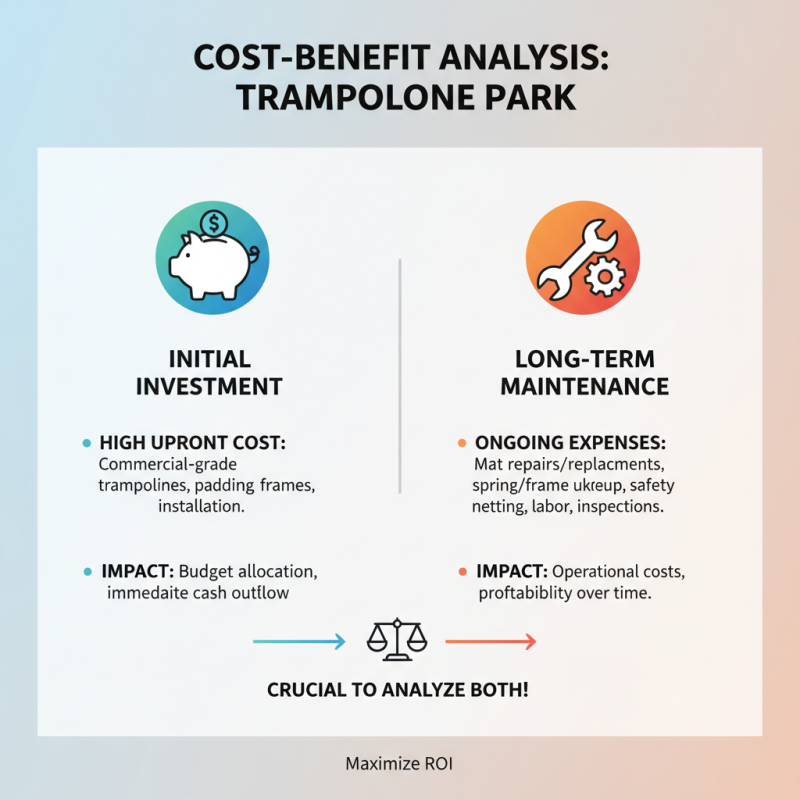
Choosing the right trampoline for a trampoline park involves careful consideration of initial costs versus ongoing maintenance expenses. Many park owners focus on the upfront investment, but long-term costs can significantly impact profitability. It’s crucial to analyze both aspects thoroughly.
Initial costs include purchasing high-quality trampolines, safety equipment, and installation. A well-made trampoline might be pricier, but it lasts longer. Cheaper options may save money upfront but fail to uphold under heavy use. They break down faster, leading to replacement costs.
Maintenance costs encompass regular inspections, repairs, and safety updates. Parks must ensure compliance with safety regulations. Neglecting small repairs can escalate issues over time. A trampoline park that offers memorable experiences must prioritize safety and quality. This requires foresight in budgeting for long-term health of equipment. Balancing initial investment and consistent maintenance fosters a sustainable business model, ensuring the park thrives.


 CONTACT NUMBER
 CONTACT NUMBER
 CONTACT NUMBER