What is a Climbing Playground and How Does it Benefit Kids?
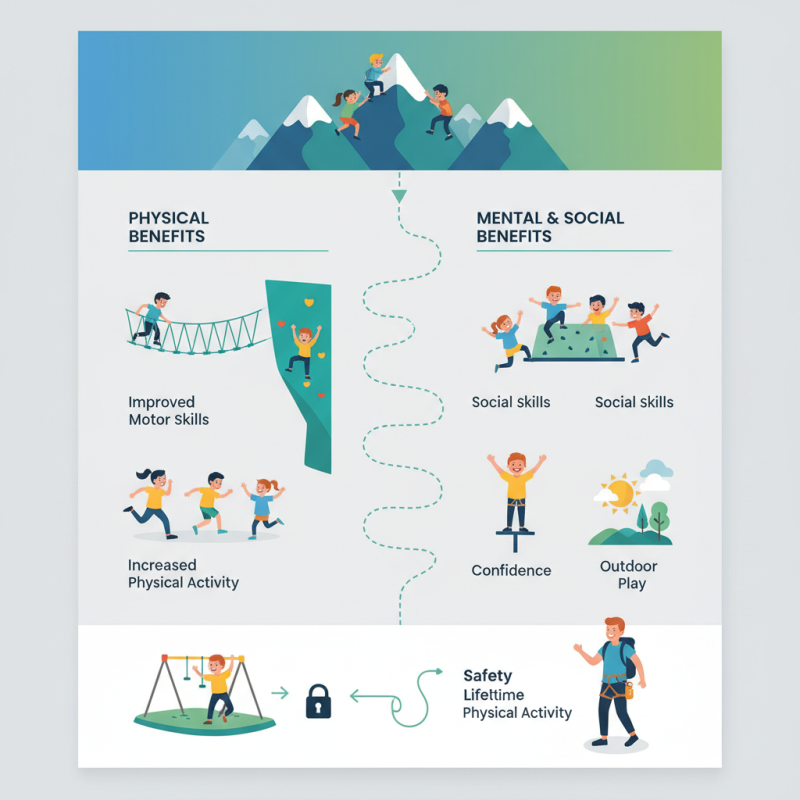
Climbing playgrounds are becoming increasingly popular in urban areas. According to a recent industry report, they offer unique benefits for children's physical and mental development. Engaging with climbing structures allows kids to enhance their motor skills and coordination. Studies show that children who participate in climbing activities tend to be more physically active overall.
Incorporating climbing playgrounds into community spaces can help address a growing concern. Many children today spend more time indoors due to technology and safety concerns. Climbing playgrounds encourage outdoor play, promoting healthier lifestyles. Experts highlight that outdoor activities improve children's social skills and confidence as they navigate challenges.
However, not all climbing playgrounds are created equal. Some may lack safety features or appropriate designs. It's essential to reflect on these aspects to ensure that children are safe while having fun. Ultimately, a well-designed climbing playground can foster a love for physical activity that lasts well into adulthood.
Definition and Features of a Climbing Playground
A climbing playground is an outdoor space designed for children to engage in climbing activities. It features various structures like climbing walls, nets, and tunnels. These elements encourage kids to explore and develop their physical abilities. The designs are often colorful and inviting, making them appealing to young adventurers.
Children experience freedom in a climbing playground. They can test their limits in a safe environment. These structures challenge their balance, coordination, and strength. Kids learn to take risks and face challenges. They might fall, but they get back up and try again. This process is essential for personal growth and resilience.
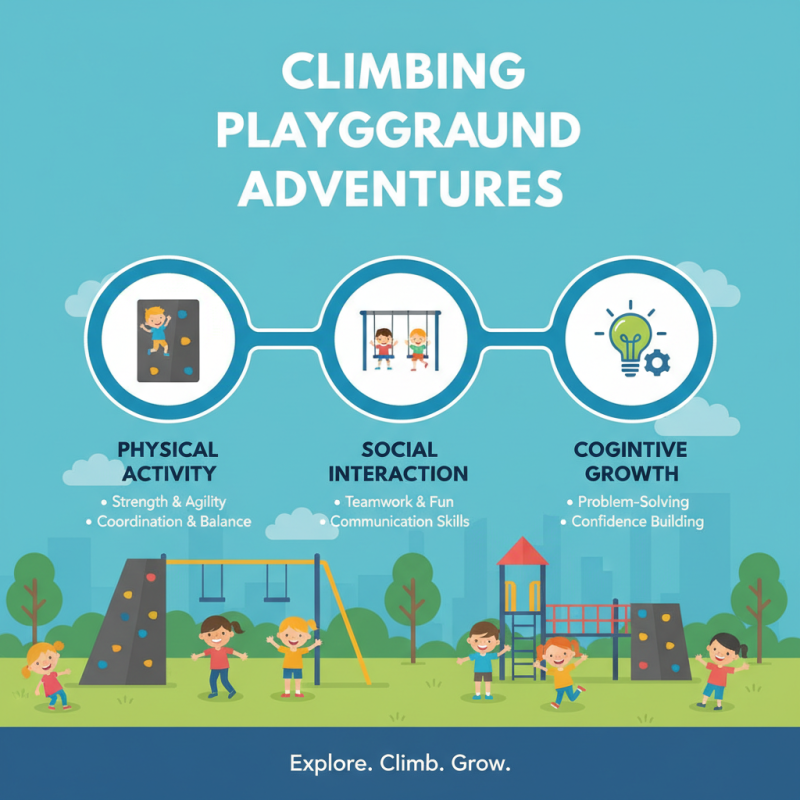
Moreover, climbing playgrounds foster social interaction. Children often climb together, sharing experiences and helping one another. They communicate, negotiate, and work as a team. Sometimes, they may feel frustration when they cannot complete a climb. These moments teach patience and empathy. A climbing playground is not just about physical activity; it nurtures vital life skills as well.
Benefits of Climbing Playgrounds for Child Development
Climbing playgrounds offer exciting opportunities for children to engage in physical activity. These structures encourage kids to explore their limits while having fun. As they climb, children develop strength, balance, and coordination. The sense of achievement after reaching the top can boost their confidence. This setting encourages risk-taking, which is essential for growth.
Moreover, climbing stimulates problem-solving skills. Kids assess heights and determine the best routes. They learn from mistakes, such as slipping or losing balance, which fosters resilience. Even minor falls can teach valuable lessons about safety and perseverance. The social aspect also comes into play. Children often climb together, enhancing their teamwork abilities and communication skills.
Though climbing has many benefits, it's important to ensure safety. Not all children feel comfortable with heights. Some may struggle with fear or anxiety. A supportive environment can help them overcome these challenges. Adults should engage with kids, encouraging them to try new things while being mindful of their limits.
Safety Considerations in Climbing Playground Design
Climbing playgrounds offer an exciting experience for kids. They help build strength and coordination. However, safety must be a priority in their design. It’s not just about having fun; it’s about preventing injuries.
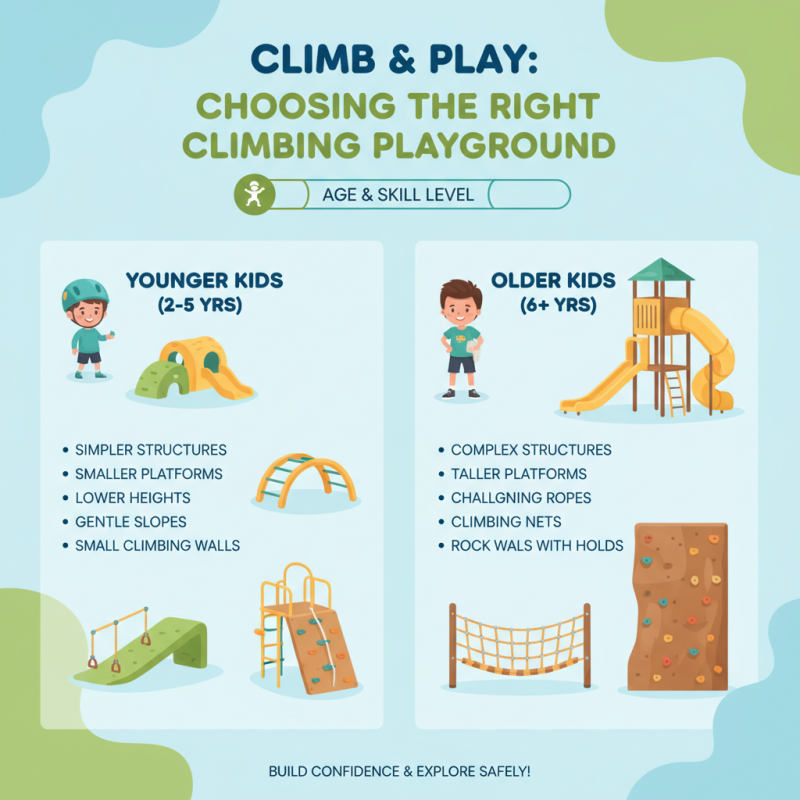
When designing a climbing playground, various safety features should be considered. The surface under climbing structures should have soft materials. Rubber mats or grass can cushion falls. Equipment should be age-appropriate, ensuring younger children are not at risk. Proper spacing between climbing elements is crucial. This prevents overcrowding and reduces accidents.
Regular maintenance is important too. Rusty components or loose bolts can lead to injuries. Playgrounds should be inspected routinely. Yet, some designs might overlook accessibility. Not all children can climb equally. Designers must ponder ways to include everyone. Balancing challenge and safety is a constant struggle in playground design.
Benefits of Climbing Playgrounds for Kids
Different Types of Climbing Structures for Kids
Climbing playgrounds offer various climbing structures designed for kids. These structures can be found in parks and schools. They encourage physical activity and social interaction. Children enjoy climbing, swinging, and exploring. It’s a fun way to build confidence. Kids can face challenges that promote problem-solving skills.
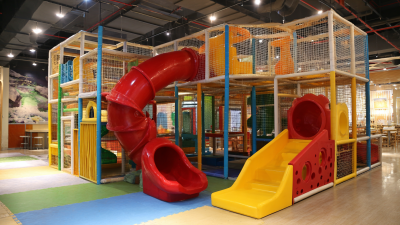
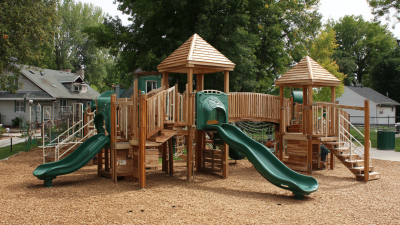
Different types of climbing structures include climbing walls, rope nets, and jungle gyms. Climbing walls allow kids to test their strength. Rope nets can provide various pathways to navigate. Jungle gyms often feature ladders and slides. Each structure is unique, encouraging imaginative play. Some designs may seem complex, which could intimidate some children at first. This presents an opportunity for growth as they learn to conquer their fears. Balancing safety and fun is crucial.
However, not all climbing structures are accessible to every child. Some might find certain heights challenging. Reflection on these limitations can lead to better designs. Inclusive climbing structures can foster a sense of belonging. Adapting to different skill levels is key for development. Climbing playgrounds can be spaces for learning about persistence and teamwork.


 CONTACT NUMBER
 CONTACT NUMBER
 CONTACT NUMBER