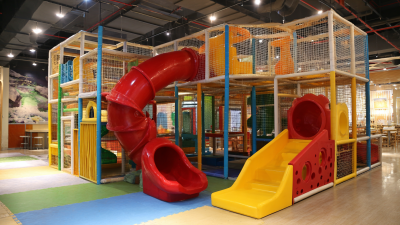
Choosing the right trampoline park equipment is crucial for any business in this growing industry. Experts agree on the significance of quality and safety. Jake Thompson, a well-known trampoline park consultant, stated, "Selecting the right equipment can make or break your business." His words reflect the need for careful consideration in this field.
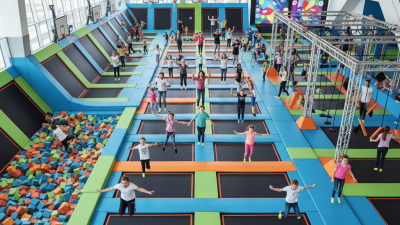
When investing in trampoline park equipment, several factors come into play. Safety should always be a priority. The equipment must meet industry standards. Additionally, variety can enhance the customer experience. For instance, features like foam pits and obstacle courses attract more visitors. Consideration of space layout is also essential. A well-designed area can increase profitability.
Many new business owners overlook these aspects. They might rush the decision, which could lead to costly mistakes. Equipment that is not suitable can deter guests. Reflecting on past experiences can provide valuable insights. Each choice affects the park's overall success. Trampoline park equipment should be both exciting and safe for everyone.
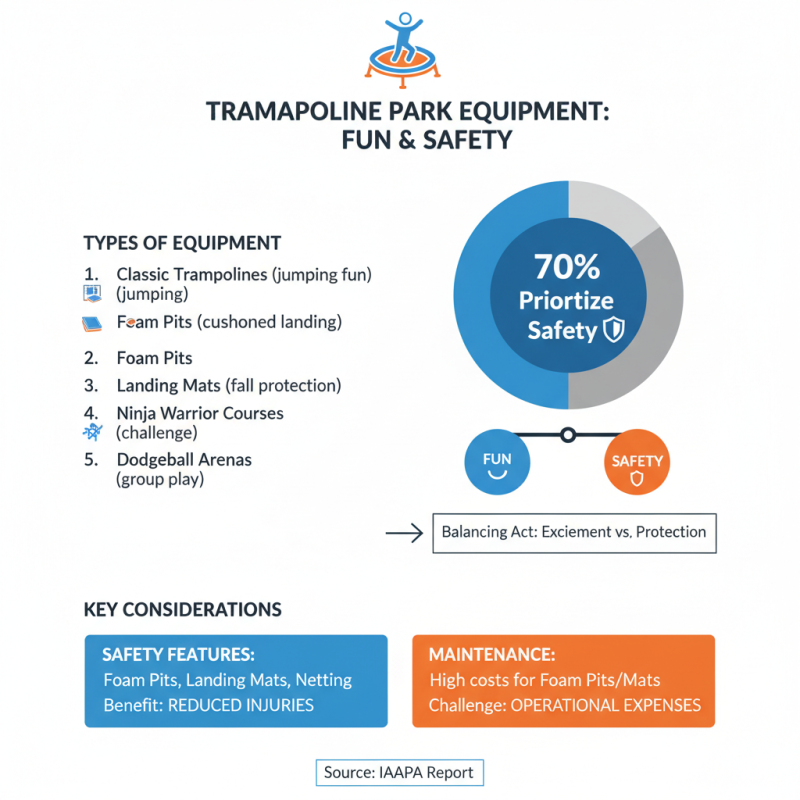
Trampoline park equipment comes in various types, each offering unique benefits and challenges. A report by the International Association of Amusement Parks and Attractions indicates that 70% of trampoline parks prioritize safety features in their equipment. Safety is crucial, but it can be tricky to balance with fun elements. Many parks invest heavily in foam pits and landing mats to cushion falls, yet these can increase maintenance costs significantly.
Beyond safety, understanding the equipment's diverse categories is vital. The options include wall-to-wall trampolines, dodgeball courts, and vertical trampolines. Each type attracts different age groups. For instance, younger children might favor bouncier, enclosed areas, while teenagers often seek challenges like parkour zones. However, these features may also lead to injuries if not monitored correctly. According to industry statistics, about 1 in 1,000 users reports an injury, suggesting that constant oversight is essential.
Additionally, the aesthetic and functional design can influence a visitor's experience. Bright colors and engaging themes can enhance playability. Yet, over-designing spaces could lead to clutter and confusion, detracting from the overall fun. Operators must find a balance between appealing designs and practical layouts. Licensing and certifications also come into play, as equipment must meet safety standards to reduce liability risks, which can be a reflection point for park operators.

When considering trampoline park equipment, safety standards must be your priority. Compliance with local regulations is crucial. Always review safety guidelines published by recognized authorities. These standards often dictate material quality, design features, and weight limits. Neglecting this step can lead to serious risks for your visitors and significant liability for your business.
One effective tip is to choose equipment that surpasses basic safety requirements. Look for padding that covers all edges and exposed springs. This feature helps minimize injuries. Additionally, consider installing safety nets around the trampolines. They act as a vital barrier, reducing the chances of falls that can lead to accidents. Regularly inspect your equipment's condition, as wear and tear can compromise safety.
Creating a safe environment involves continuous assessment. Stay updated with evolving safety regulations and best practices in the industry. Engage with customers to gather feedback on their experience. Are they feeling safe while jumping? Their insights can guide your improvements. Make a habit of reviewing your safety protocols and training staff regularly. Staying vigilant can protect your business and enhance customer trust.
This chart illustrates the importance rating of different factors when selecting trampoline park equipment. The ratings are based on a scale of 1 to 10, highlighting the critical aspects to consider for ensuring safety and compliance in a trampoline park operation.
When selecting trampoline park equipment, durability is key. Equipment should withstand daily wear and tear from heavy use. Look for materials that resist tearing and fading. Some trampolines have protective pads that keep users safe and last longer. However, these pads can wear out faster than the trampoline itself. Regular inspections are necessary to catch wear before it leads to safety hazards.
Maintenance needs are another crucial consideration. Equipment may require periodic cleaning to remove dust and debris. This helps maintain a safe environment for guests. Components may need replacing over time due to wear. For example, springs often lose tension. If they're not replaced, the equipment can become dangerous. Staff training in basic maintenance can help extend equipment life. It's a simple yet often overlooked aspect.
Lastly, think about the cost of maintenance. Budget for unexpected repairs and replacements. It’s easy to underestimate these expenses when planning. A false sense of security can lead to bigger problems down the road. Having a detailed maintenance plan can ensure your trampoline park remains fun and safe. Proper care is essential, but it requires consistent effort and attention.
The trampoline park industry is evolving rapidly. New design trends focus on safety, engagement, and variety. According to a recent industry report, the global trampoline park market reached $1 billion in 2022. This figure is expected to grow by 8% annually. With such growth, equipment choices must reflect current demands.
Modern designs emphasize safety features. Foam pits, padded surfaces, and anti-slip materials are becoming standard. Engaging layouts, like interconnected trampolines and multi-activity areas, attract more visitors. Reports indicate parks that incorporate diverse play options see a 30% increase in repeat customers. However, many businesses struggle to balance trendy designs with budget constraints. An eye-catching park can come with high upfront costs.
Sustainability is also a key trend. Eco-friendly materials are gaining traction. Parks using recycled materials report positive guest feedback. Yet, not all owners are ready to fully embrace this shift. Some still prioritize aesthetic appeal over environmental impact. Understanding how to combine these aspects will be crucial for future success. The landscape of trampoline park equipment design is changing, and staying ahead requires thoughtful choices.
| Dimension | Details |
|---|---|
| Safety Standards | Ensure compliance with ASTM and other relevant safety regulations. |
| Durability | Choose materials that withstand heavy use and environmental conditions. |
| Variety of Equipment | Consider integrating different trampoline styles and obstacle courses to attract diverse age groups. |
| Design Trends | Stay updated with the latest trends in colors and styles to appeal to your target market. |
| Maintenance and Upkeep | Consider the maintenance requirements and costs associated with different equipment. |
| Age Appropriateness | Offer equipment suitable for all age groups, from toddlers to adults. |
| Customizability | Look for options that allow for customization to fit specific themes or branding. |
| Staff Training and Support | Select suppliers who provide training and ongoing support for your staff. |
| Customer Feedback | Gather input from potential customers to tailor your offerings effectively. |
| Price and Value | Balance cost with features and quality to ensure long-term profitability. |
When investing in trampoline park equipment, understanding your target audience is crucial. Recent studies indicate that over 60% of trampoline park visitors are families with children aged 3 to 12. This demographic is drawn to colorful, safe, and engaging equipment. Consider areas that cater specifically to younger children. Smaller trampolines and soft play zones can make a significant impact.
Teenagers, on the other hand, prefer thrilling experiences. They enjoy more challenging obstacle courses and competitive elements, such as dodgeball zones. A report from the International Association of Amusement Parks and Attractions shows that parks with diverse activities attract 30% more visitors. Balance is key—too much of one demographic can alienate others.
Assessing your local demographics is vital. Have you analyzed the age breakdown of your community? Ignoring it can lead to underwhelming utilization of your space. Engage with your audience through surveys or social media insights. The right equipment choices can create an inviting atmosphere that resonates with visitors of all ages. But, if you solely focus on one age group, you risk becoming irrelevant quickly.