Why Garden Playing Equipment is Essential for Child Development
In today’s fast-paced digital world, the importance of outdoor play for children cannot be overstated. Garden playing equipment serves as a cornerstone for fostering not only physical development but also emotional and social skills in young children. Research consistently shows that engaging with garden playing equipment provides children with opportunities to explore, discover, and develop essential life skills in a natural setting.
These play structures encourage children to be active, sparking their imaginations and stimulating their creativity. The varied designs and functions of garden playing equipment facilitate cooperative play, helping children learn vital social dynamics such as teamwork, negotiation, and conflict resolution. Additionally, outdoor play cultivates a deeper connection with nature, which enriches their overall well-being and promotes healthy lifestyle choices from an early age.
By incorporating garden playing equipment into playtime routines, parents and caregivers lay the groundwork for holistic child development. This interactive form of play not only strengthens physical capabilities but also nurtures cognitive and emotional growth, ultimately contributing to well-rounded and resilient individuals. As such, understanding the critical role of garden playing equipment in child development is imperative for anyone invested in nurturing the next generation.

The Importance of Outdoor Play in Child Development
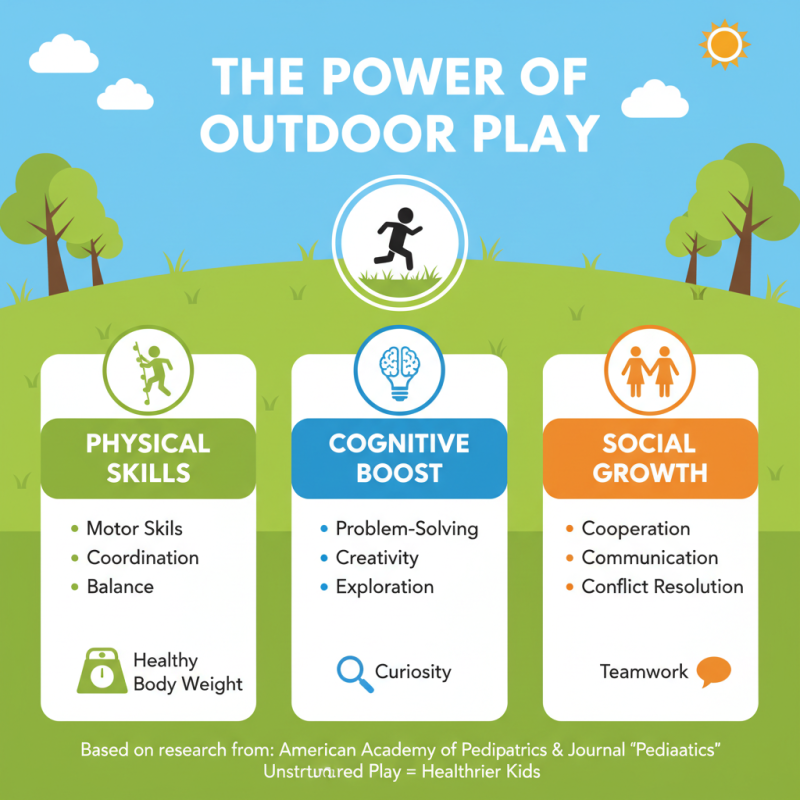
Outdoor play is crucial for child development, as it fosters physical, cognitive, and social skills. According to the American Academy of Pediatrics, unstructured outdoor play helps children develop motor skills, coordination, and balance. A study published in the journal "Pediatrics" indicates that children who engage in regular outdoor play are less likely to be overweight and more likely to have a healthy body composition. Children active in outdoor settings tend to participate in activities that challenge their physical abilities, paving the way for healthier lifestyles as they grow.
In addition to physical benefits, outdoor play drastically enhances cognitive development. Research from the National Association for the Education of Young Children highlights that nature-based play stimulates imagination and problem-solving abilities. When children explore natural environments, they encounter diverse stimuli that encourage exploration and critical thinking. Furthermore, outdoor play has profound effects on social skills; it allows children to engage in cooperative play, negotiate roles, and resolve conflicts. According to the Children's Outdoor Charter, engaging in outdoor activities leads to improved communication skills and emotional regulation, essential components of a child's overall development.
Types of Garden Playing Equipment and Their Benefits
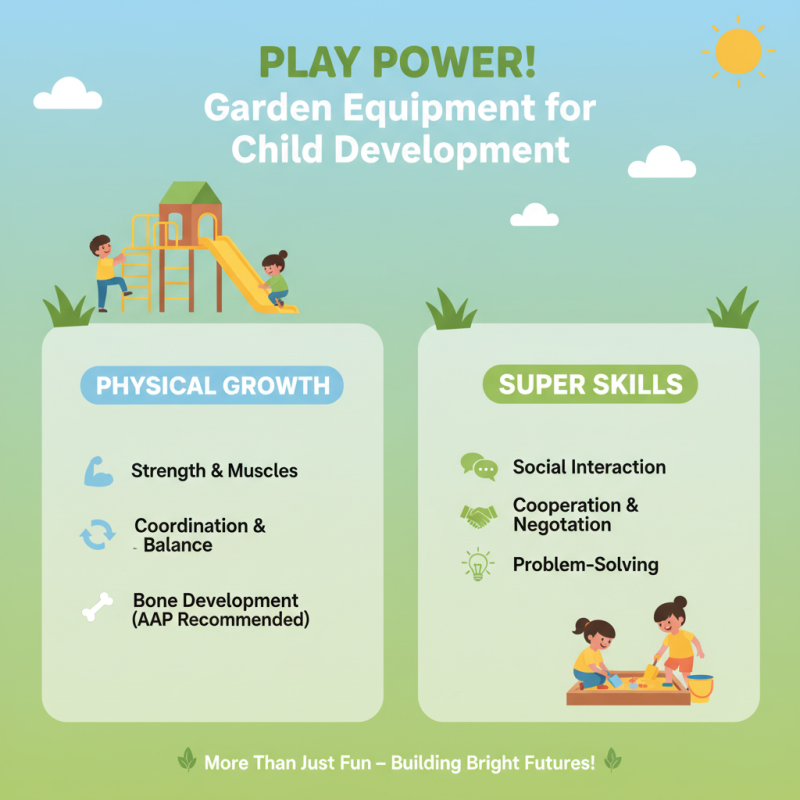
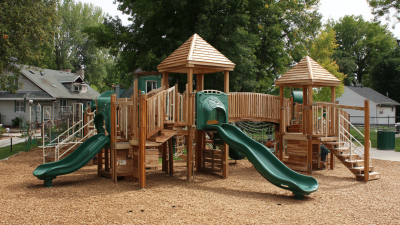
Garden playing equipment is crucial for fostering child development, providing various types that cater to different skills. Climbing equipment, such as jungle gyms and slides, encourages physical fitness and helps improve coordination and balance. According to the American Academy of Pediatrics, active play supports strong bone and muscle development, which is essential during the early years as children tackle different physical challenges. Beyond the physical benefits, such play structures also promote social skills by encouraging children to interact, negotiate, and play cooperatively.
Moreover, sensory play equipment, including sandboxes and water tables, enhances cognitive development and creativity. Research from the National Association for the Education of Young Children suggests that sensory play allows children to explore textures and shapes, fostering curiosity and problem-solving skills. Furthermore, imaginative playsets such as playhouses cultivate social-emotional skills, enabling children to express themselves and understand others' emotions better. Engaging with a variety of garden playing equipment not only makes playtime enjoyable but also lays a solid foundation for holistic child development.
How Garden Play Equipment Enhances Physical Skills
Garden play equipment is more than just a source of entertainment; it plays a
crucial role in enhancing children's physical skills. According to a report
from the American Academy of Pediatrics,
physical activity is vital for children’s growth and development, with
recommendations suggesting that children engage in at least 60 minutes
of active play each day. Garden play equipment, such as
swings, slides,
and climbing frames, encourages children to be
active in a fun environment, promoting cardiovascular fitness and strength.
Studies indicate that outdoor play, facilitated by equipment in gardens or
playgrounds, significantly improves coordination and balance. A survey by the
National Institute for Play found that
children who engage in regular outdoor play show enhanced motor skills and
greater overall physical health. Further, researchers have noted that such
play experiences are foundational in developing essential skills such as
agility, balance,
and hand-eye coordination, which are crucial as they grow
and engage in more complex physical activities. By providing children with
opportunities for active, outdoor play, garden equipment helps lay the groundwork
for lifelong health habits.
The Role of Imaginative Play in Building Social Skills
Imaginative play is a vital component of child development that significantly contributes to building social skills. When children engage in role-playing activities, they step into different characters and scenarios, allowing them to explore various perspectives. This exploration fosters empathy as children learn to understand the thoughts and feelings of others. As they negotiate roles and rules during their playtime, kids practice essential communication skills, enhancing their ability to express themselves and listen to their peers.
Incorporating garden playing equipment into playtime can amplify these benefits. For instance, climbing frames and swings not only encourage physical activity but also create opportunities for cooperative play. When children share these experiences, they learn to cooperate, resolve conflicts, and develop friendships.
**Tips for Encouraging Imaginative Play:**
- Create a Play Area: Designate a space in your garden with versatile equipment that encourages imaginative scenarios. Items like tents or playhouses can serve as the backdrop for countless adventures.
- Join the Fun: Participate in your child's play whenever possible. Your involvement can provide encouragement and model positive social interactions.
- Encourage Storytelling: Prompt your children to create their own stories during play. This can enhance creativity and help them articulate thoughts and feelings as they navigate their imaginative world.
Why Garden Playing Equipment is Essential for Child Development - The Role of Imaginative Play in Building Social Skills
| Dimension |
Importance |
Benefits |
Example Activities |
| Imaginative Play |
Fosters creativity and problem-solving skills |
Encourages independent thinking and fosters innovation |
Building forts, role-playing scenarios |
| Social Interaction |
Enhances communication skills |
Improves cooperation and empathy |
Group games, teamwork activities |
| Physical Activity |
Develops motor skills and overall health |
Enhances strength, coordination, and fitness |
Climbing, jumping, balancing games |
| Emotional Development |
Helps in understanding and expressing emotions |
Builds resilience and coping strategies |
Pretend play related to feelings, role-reversal games |
Safety Considerations for Garden Playing Equipment Use
When it comes to children’s outdoor play, safety should always be a top priority. Garden playing equipment can offer a world of fun and developmental benefits, but it also poses certain risks if not used correctly. Ensuring that the equipment is age-appropriate is essential; younger children may not be developmentally ready for certain structures, which can lead to accidents. Regular inspection of the equipment for wear and tear, as well as securing it to prevent tipping or wobbling, is crucial in maintaining a safe play environment.
Tips for ensuring safety include providing a soft landing area, such as grass or rubber mats, under high play structures to minimize injury from falls. Additionally, establish clear rules for playtime to guide children on how to use the equipment safely, including understanding weight limits and encouraging group play without pushing or shoving.
Another significant safety consideration is supervision. Children should always be watched while playing, as this reduces the likelihood of mishaps and also encourages social interaction and sharing. Engaging with children during their play not only reinforces safety practices but also enhances their learning experiences through active participation. Prioritizing these safety aspects makes garden playing equipment a wonderfully enriching addition to any child's development.


 CONTACT NUMBER
 CONTACT NUMBER
 CONTACT NUMBER