Top Indoor Mall Playground Trends for 2026 What to Expect
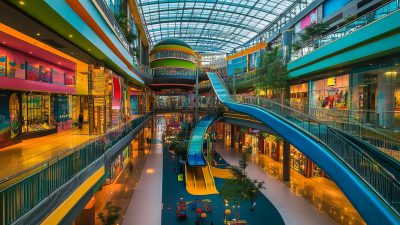
As the landscape of leisure activities evolves, the "Indoor Mall Playground" industry is poised for exciting changes in 2026. Industry expert Emily Carter, a leading designer of children's play areas, emphasizes, "Playgrounds in malls will become interactive experiences." This indicates a shift towards more engaging and dynamic environments.
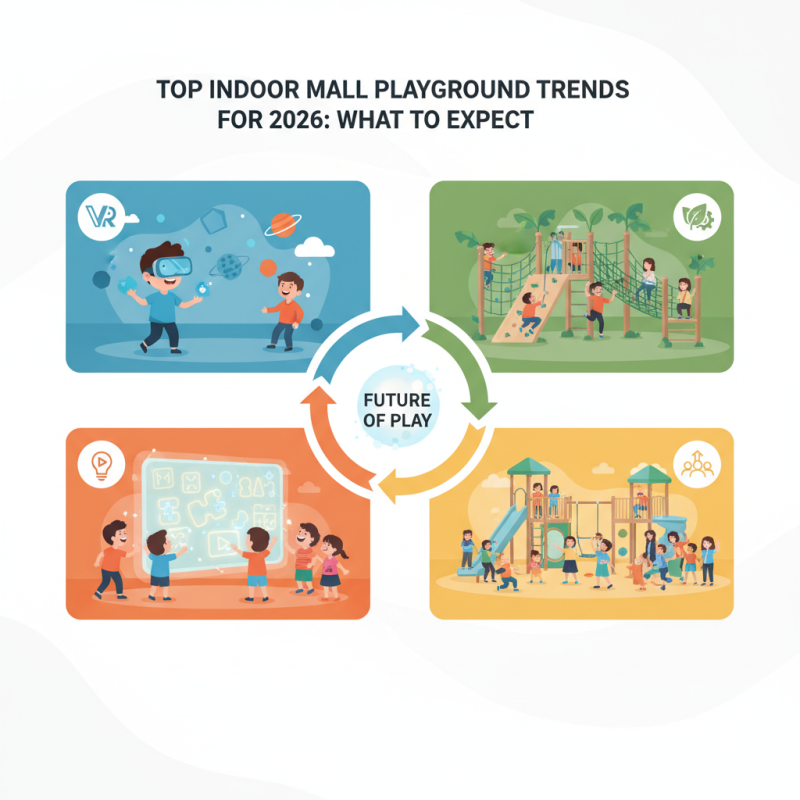
In this emerging trend, play spaces will incorporate cutting-edge technology and imaginative designs. From virtual reality zones to eco-friendly materials, the future promises endless possibilities. Children will be encouraged to explore and learn through play, blending fun with educational elements. These innovations aim to enhance family experiences while shopping, creating lasting memories.
However, challenges remain. Ensuring safety and accessibility are crucial as more features are added. As malls adapt, they must reflect on past experiences and continuously improve. The drive to create enchanting "Indoor Mall Playgrounds" will require collaboration among designers, retailers, and community stakeholders. Only then can they achieve a truly engaging atmosphere for all to enjoy.
Emerging Design Concepts for Indoor Mall Playgrounds in 2026
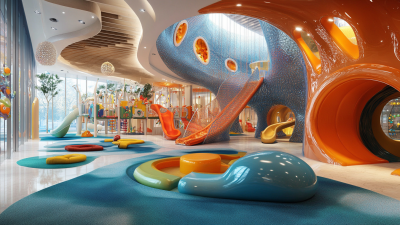
The indoor mall playgrounds of 2026 are set to transform with exciting design concepts. Future spaces will focus on a blend of interactivity and safety. Flexible layouts will encourage kids to explore and engage with their environment. Bright colors and whimsical themes will stimulate creativity. Natural light will be a priority, enhancing the overall atmosphere.
Tips: Consider blending technology with traditional play.
Interactive screens can provide educational content while kids play.
Mixed materials, like soft surfaces, can ensure safety without losing fun. Feature areas catering to different age groups can foster social interaction but require careful planning.
With the rise of eco-friendly designs, recycled materials will gain popularity. Playgrounds may feature elements like living walls and indoor gardens. These additions not only beautify the space but also teach children about sustainability. Reflecting on the balance between aesthetics and functionality will be crucial for developers and designers.
Integration of Technology in Indoor Play Spaces
The indoor playground landscape is rapidly evolving. By 2026, the integration of technology will transform these spaces. Reports from the International Association of Amusement Parks highlight that 72% of parents prefer tech-enhanced play experiences for their children. This statistic underscores the shifting expectations in family entertainment.
Interactive play installations, such as augmented reality (AR) and virtual reality (VR), will be more prevalent. Kids will delight in immersive games that blend the physical and digital worlds. These technologies foster creativity and teamwork, helping children develop crucial social skills. Nonetheless, challenges exist. Ensuring safety while children navigate these tech-focused environments remains a priority for operators.
Additionally, analytics will shape play spaces. Smart sensors can track visitor behavior, allowing for optimization of play areas. More engaging layouts can keep kids active and invested. However, reliance on data also invites concerns. Balancing data collection with privacy is vital. Parents will demand transparency on how information is used. The future of indoor mall playgrounds promises excitement, yet it must address these crucial reflections.
Sustainability Trends in Playground Equipment and Design
In 2026, indoor mall playgrounds will prominently feature sustainability in their equipment and design. Recent industry studies indicate that 75% of parents prioritize eco-friendly materials when choosing playgrounds. This trend stems from a growing consumer awareness about climate change and parental desires to provide safe environments for their children. Consequently, many manufacturers are shifting towards recycled plastics and sustainably sourced wood.
One effective strategy is to incorporate green elements into the design. For instance, natural light and ventilation can reduce energy consumption. A study from the International Playground Equipment Association shows that bright, inviting environments enhance children's play experience. Check for designs that use low-VOC paints and energy-efficient lighting. Affordable sustainability doesn’t mean compromising fun.
Parents can engage in this trend by choosing venues that emphasize sustainability. Look for establishments that practice responsible recycling and green cleaning methods. Some mall playgrounds are even using water-efficient landscaping for surrounding areas. As trends evolve, there's a tangible shift toward responsible fun for children and their families. Accepting imperfection in this journey reminds us that each small change contributes to a bigger impact.
Top Indoor Mall Playground Trends for 2026
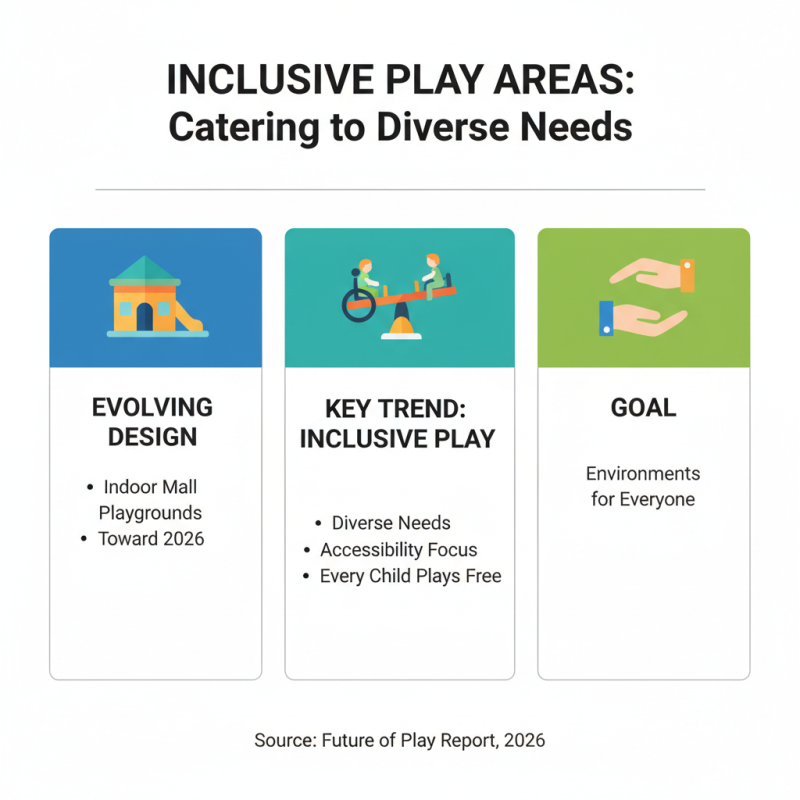
Inclusive Play Areas: Catering to Diverse Needs
As we look toward 2026, the design of indoor mall playgrounds is evolving significantly. A key trend is the development of inclusive play areas. These spaces aim to cater to children with diverse needs. By focusing on accessibility, designers hope to create environments where every child can play freely.
Inclusive play areas feature sensory-friendly zones and adaptive equipment. These elements help children who may experience challenges in traditional playground settings. For example, soft flooring and soundproof sections allow children with sensory sensitivities to engage comfortably. Additionally, diverse climbing structures enable children of varying abilities to explore and interact.
Despite these advancements, challenges remain. Not all playgrounds successfully incorporate inclusive design principles. Some spaces may still overlook the needs of children with mobility issues. Designers must continue to gather feedback from families to improve these areas. There is a shared responsibility to ensure that every child feels welcome and included.
The Role of Safety Standards in Future Indoor Playgrounds
As the indoor mall playgrounds evolve, safety standards will become even more critical. Parents need peace of mind while their children play. Current safety measures often include soft play surfaces and secure equipment. Yet, incidents still occur. Ensuring that designs prioritize safety without compromising fun is a challenge.
Experts emphasize the need for stricter regulations. Regular safety audits should be the norm. Transparent communication about safety practices can build trust with families.
In an age of innovation, implementing technology can enhance safety too. Imagine playgrounds equipped with real-time monitoring systems.
While advancements are promising, gaps remain. Some manufacturers struggle to keep up with evolving standards. An ongoing dialogue among stakeholders is vital. Parents, designers, and safety officials must collaborate. Playground safety isn’t just a checkbox; it’s a commitment to our children’s well-being.


 CONTACT NUMBER
 CONTACT NUMBER
 CONTACT NUMBER