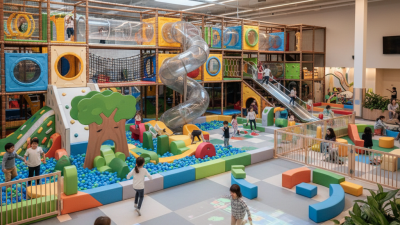
What is Indoor Play Equipment and Why is it Essential?
Indoor Play Equipment plays a vital role in child development. It provides a safe space for children to engage in physical activity, fostering both social skills and creativity. Environments filled with interactive equipment encourage exploration and imaginative play, essential for young minds.
However, not all indoor facilities meet the standards of safety and engagement. Some equipment may lack variety or pose safety risks. It's important for parents and caregivers to choose safe, well-maintained options. Research shows that engaging indoor play can support cognitive and physical development.
Notably, Indoor Play Equipment can also combat childhood obesity. With many children leading sedentary lifestyles, providing active play options encourages movement. Thus, the right equipment not only entertains but also contributes to overall health and well-being. Investing in quality play facilities can lead to better outcomes for children’s growth and development.
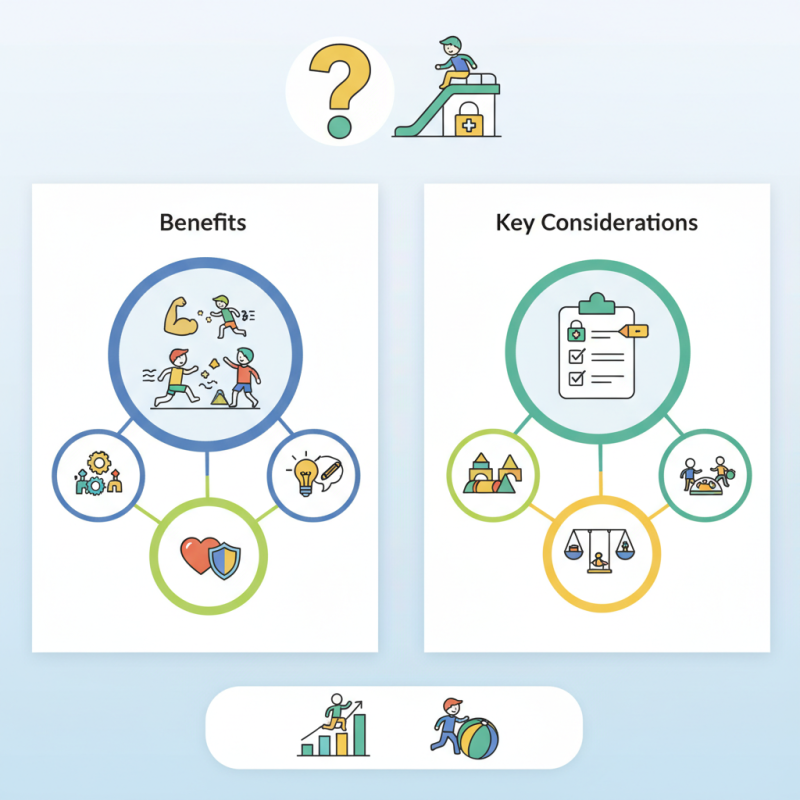
Definition of Indoor Play Equipment and its Types
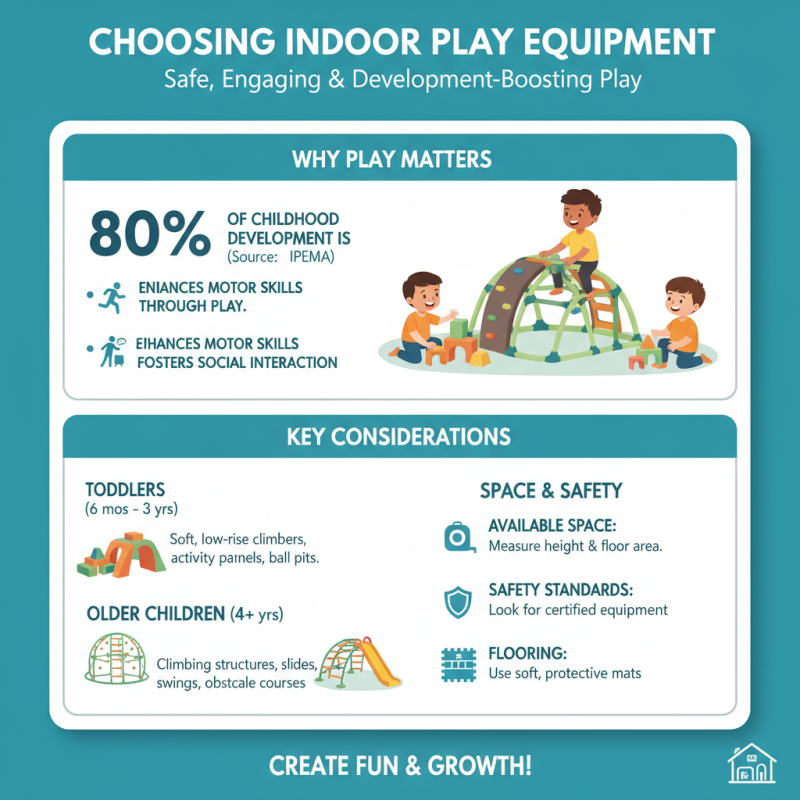
Indoor play equipment encompasses a variety of structures and setups designed for children to engage in play within enclosed spaces. This includes playground equipment, such as slides and climbing walls, as well as imaginative play zones and soft play areas. According to the International Association of Amusement Parks and Attractions, the indoor play equipment industry has seen significant growth, reaching a market value of over $2 billion in recent years.
Different types of indoor play equipment serve unique functions. Climbing structures develop physical skills and coordination. Soft play areas offer safety for toddlers, allowing them to explore without the risk of injury. Imaginative play zones encourage creativity and social skills development. According to a 2022 report by the Play Equipment Manufacturers Association, 78% of parents believe that indoor play facilities positively impact their children's social development.
Yet, even with numerous options, many facilities struggle to meet safety and maintenance standards. An alarming statistic reveals that over 20% of indoor play spaces failed safety inspections in 2021. This raises concerns about child safety and necessitates ongoing evaluation. While the importance of indoor play equipment cannot be overstated, it is crucial to ensure these spaces are both safe and engaging for children.
The Role of Indoor Play Equipment in Child Development
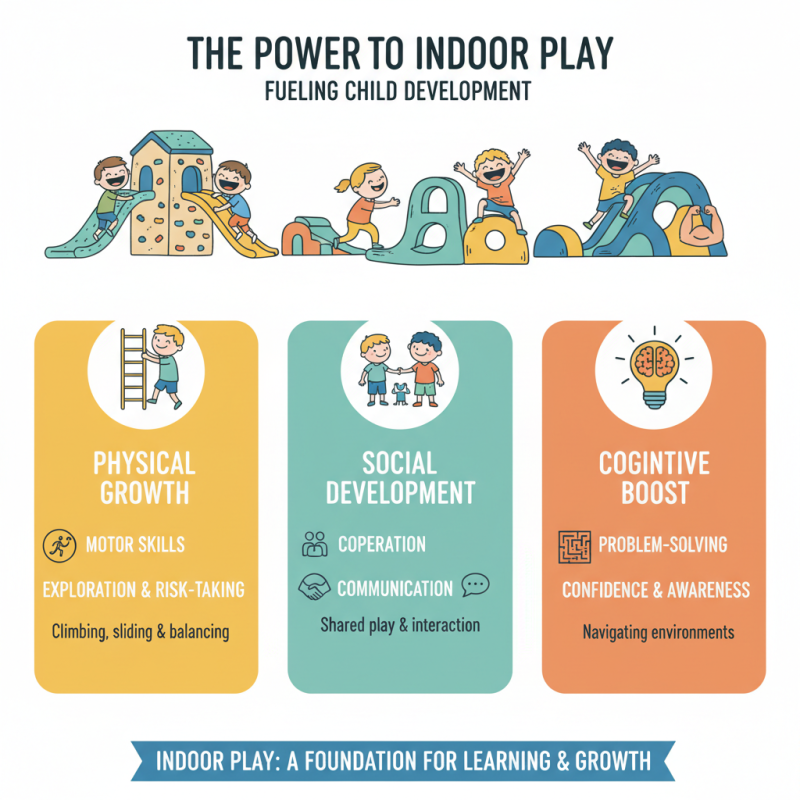
Indoor play equipment serves a vital role in child development. It supports physical, social, and cognitive growth. Children engage in active play, which helps improve their motor skills. Climbing structures, slides, and soft play areas give kids the chance to explore boundaries and take risks. They learn to navigate their environment, boosting their confidence.
Social interaction is another crucial aspect of using indoor play equipment. Kids often play together in these spaces, fostering teamwork and communication. They learn to share, negotiate, and resolve conflicts. However, adults must observe these interactions. Sometimes, children struggle to share or take turns. These moments are opportunities for guidance and learning.
Cognitive development flourishes through imaginative play. Indoor play equipment encourages creativity and problem-solving. Children create their own games and rules. They may find new ways to use the same equipment. This process can be messy and imperfect. Kids might encounter frustrations or disagreements, but these experiences are valuable. Overcoming such challenges shapes resilience and critical thinking skills.
Benefits of Indoor Play Equipment for Physical Health
Indoor play equipment plays a vital role in boosting children's physical health. It provides a space for active play when outdoor options are limited. Physical activity strengthens muscles, improves coordination, and enhances flexibility. Regular use of such equipment helps combat childhood obesity. Engaging in play promotes cardiovascular fitness, making kids healthier.
Tip: Create a routine that includes indoor playtime. This encourages children to be active regularly. Mix different types of equipment to keep things exciting. For example, combine climbing structures with slides or ball pits. Varied activities help develop different muscle groups.
Indoor play not only benefits physical health but mental well-being too. Children experience improved mood and decreased stress levels when they engage in physical activities. However, it's essential to monitor their play to ensure safety. Some injuries can occur if equipment is not used correctly. Regular maintenance of the equipment is necessary to prevent accidents.
Tip: Set clear rules for indoor play. Teach kids about safe use of equipment. Encourage them to take turns and respect each other’s space. This promotes teamwork and social skills while ensuring a safe play environment.
What is Indoor Play Equipment and Why is it Essential? - Benefits of Indoor Play Equipment for Physical Health
| Dimension |
Description |
Benefits |
| Types of Equipment |
Climbing structures, slides, soft play mats, and ball pits. |
Promote physical activity and improve motor skills. |
| Physical Benefits |
Encourages active play and reduces sedentary behavior. |
Contributes to healthier body weight and strong bones. |
| Social Skills |
Spaces for children to play together in a supervised environment. |
Fosters teamwork, sharing, and communication. |
| Cognitive Development |
Engaging equipment that encourages problem-solving and creativity. |
Enhances critical thinking and imaginative play. |
| Emotional Health |
Safe spaces where children can express emotions freely. |
Boosts self-esteem and reduces anxiety through play. |
Safety Standards and Maintenance for Indoor Play Equipment
Indoor play equipment is vital for children's physical and social development. However, safety standards play a crucial role in ensuring a safe environment. According to the American Society for Testing and Materials (ASTM), equipment must meet specific safety requirements regarding materials, structural integrity, and maintenance practices. Regular inspections can identify wear and tear, preventing accidents.
The Consumer Product Safety Commission (CPSC) reports that most injuries in indoor play areas result from faulty equipment or lack of supervision. This underscores the importance of routine maintenance. Facilities should develop a structured maintenance schedule. Daily checks can help spot hazards early. For instance, if a slide is damaged, immediate action is needed to fix it. Minor issues can lead to serious injuries if left unattended.
Maintaining compliance with safety standards protects children. Properly designed areas foster exploration and creativity. Safety zones must be clearly marked and free of obstacles. Operators should provide safety guidelines to parents and staff. Communication about risks is key. Regular training and evaluation can improve safety practices. Investing in quality maintenance contributes to a long-lasting play environment.


 CONTACT NUMBER
 CONTACT NUMBER
 CONTACT NUMBER