What is Indoor Play Structures and How to Choose the Best?
Indoor Play Structures are vital for children's development. They provide a safe space for kids to explore. These structures promote physical activity, creativity, and social skills. When selecting the best indoor play structures, consider several important factors.
Safety is essential. Look for high-quality materials and proper design. Robust construction will ensure stability during play. Age-appropriate designs keep kids engaged without risks. The size of the structure is important too. It should fit comfortably in your space while allowing ample room for movement.
Aesthetics and themes can enhance the play experience. Bright colors and fun designs spark imagination. However, the most popular choices may not always be the best for your needs. Reflect on your child's interests and developmental stage. This thoughtful consideration is crucial for a lasting and enjoyable play experience.
Definition of Indoor Play Structures and Their Purpose
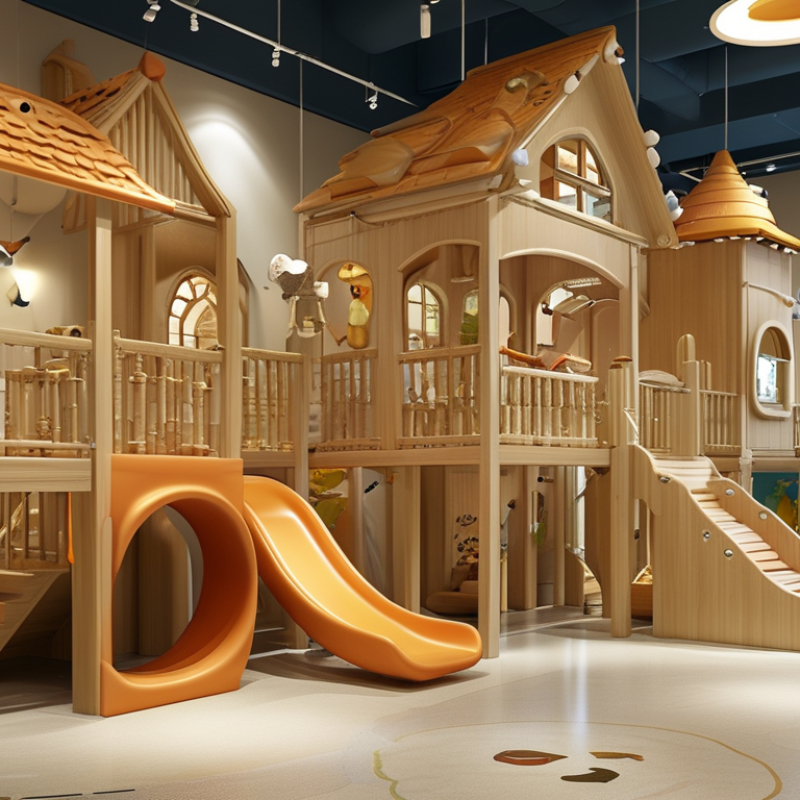
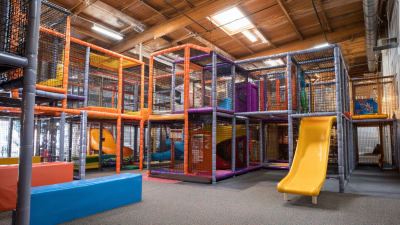
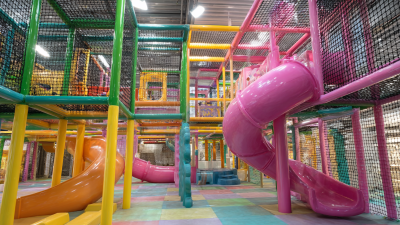
Indoor play structures are designed to provide children with a safe space for physical activity and imaginative play. These structures often feature slides, climbing walls, and soft play areas. Their purpose is not only to entertain but also to promote motor skills, social interaction, and creativity. Children can explore their environment while developing physical strength and coordination.
When selecting the best indoor play structure, consider your space and budget. Measure the area to ensure a proper fit. Safety should be a top priority. Look for materials that are durable and easy to clean. Check if the structure meets safety standards to prevent accidents.
Tip: Choose a structure that allows for various activities. Kids get bored easily. A multi-functional play area can keep them engaged longer. Also, involve children in the decision-making process. Their preferences can provide valuable insights into what will truly excite them.
Remember, play is essential for child development. It's okay to reflect on what works and what doesn't. A structure that meets your immediate needs today may require adjustments later. Keep an open mind and be willing to evolve with your child’s interests.
Types of Indoor Play Structures Available in the Market
Indoor play structures come in various types, each designed to cater to different age groups and interests. The most common types include soft play areas, climbing walls, and interactive play systems. Soft play areas are often padded and safe, making them ideal for toddlers. They feature foam shapes and slides that encourage crawling and exploration. Climbing walls provide older children with challenges, promoting physical fitness and coordination. These structures can vary in height and difficulty, appealing to adventurous spirits.
Interactive play systems merge technology with traditional play. These often include touchscreens and engaging activities that stimulate cognitive development. Children can learn while they play, which is a significant benefit for parents. Another type is the obstacle course, which can be tailored to different skill levels. These courses promote teamwork and social interaction, essential for children's development.
Choosing the right type of indoor play structure can be overwhelming. It's essential to consider the age of the children who will be using them. Safety features are crucial, including rounded edges and non-toxic materials. The design should allow for easy supervision. Reflecting on these factors can help ensure that the play structure meets the needs of the children and provides a fun, safe environment.
Types of Indoor Play Structures Available in the Market
| Type of Structure |
Age Group |
Material |
Features |
Average Price ($) |
| Ball Pit |
1-5 years |
Plastic |
Soft balls, removable cover |
250 |
| Climbing Frame |
2-6 years |
Wood / Metal |
Multiple levels, safety grips |
400 |
| Playhouse |
3-8 years |
Plastic / Wood |
Interactive features, compact design |
350 |
| Slide |
2-7 years |
Plastic |
Curved / Straight options |
200 |
| Jungle Gym |
3-10 years |
Metal |
Climbing ropes, swings |
600 |
Key Features to Consider When Choosing Indoor Play Structures
When choosing indoor play structures, several key features should guide your decision. Safety is crucial. Look for structures made with non-toxic materials. Check for rounded edges and sturdy construction. Parents value peace of mind, knowing their children are safe while playing.
Consider the age range of your kids. Some structures are designed specifically for toddlers, while others can accommodate older children. Choose adaptable designs that grow with your kids. Versatility can extend the life of the play structure. Features like climbing walls, slides, and tunnels offer diverse ways to play.
Lastly, assess the size of your space. Measure your area to ensure a good fit. Overcrowding can lead to accidents. Reflect on how much time kids will spend using the structure. An underused play area can become a source of frustration. Ultimately, the right structure will inspire creativity and promote physical activity.
Safety Standards and Regulations for Indoor Play Equipment
When considering indoor play structures, safety is paramount. Regulations govern how these structures are designed and maintained. Compliance with safety standards helps prevent injuries. For instance, equipment should have appropriate padding to cushion falls. Regular inspections ensure that wear and tear do not lead to hazards.
Tips: Look for play structures with non-toxic materials. Check that all parts are securely fastened and free from sharp edges. Keep in mind that busy play areas need consistent supervision. Create a safety checklist for regular evaluations.
Pay attention to the manufacturer's certifications. Models that meet guidelines from recognized safety organizations provide additional assurance. Remember that even popular designs can have flaws. Be critical, and do thorough research before making a decision. Not every vibrant structure is built with safety in mind.
Tips for Maintaining and Caring for Indoor Play Structures
Indoor play structures are vibrant environments that foster physical and social development in children. To ensure their longevity and safety, regular maintenance is essential. Inspect the play area frequently for signs of wear and tear. Look for loose parts, sharp edges, and fading colors. These factors can affect not only the aesthetics but also the safety of the structures.
Cleaning is another key aspect of care. Use non-toxic cleaners suitable for children. Wipe down surfaces to eliminate allergens and germs. Pay special attention to high-touch areas, such as handrails and slides. Remember, a clean space enhances the overall play experience. Taking preventive measures can reduce the need for extensive repairs.
Children may not always be careful while playing. It is important to observe how they use the structure. Adjustments may be needed based on their interactions. Engaging with them during playtime can help identify any potential hazards. You might realize that some sections are more prone to accidents. Addressing these issues promptly can lead to a safer and more enjoyable play experience. Regular reflection on the structure’s condition ensures it remains engaging and safe for all children.


 CONTACT NUMBER
 CONTACT NUMBER
 CONTACT NUMBER