Indoor Playground Trampoline Safety Tips for Kids Fun
Indoor playground trampolines offer endless fun for children. However, safety must always come first. According to Dr. Emily Carter, a leading expert in children's recreational safety, “Trampolines can be enjoyable, but proper precautions are essential to ensure a safe environment.”
Kids are naturally energetic. They love to jump, bounce, and play on trampolines in indoor playgrounds. Bright colors and cheerful designs create an inviting atmosphere. Every parent wants their child to have a memorable experience. Yet, without safety measures, fun could quickly turn to injury.
It’s important to monitor how children use the trampoline. Are they following the rules? Supervision can make a significant difference. Many parents might overlook basic safety tips like checking the trampoline's surface or ensuring children jump one at a time. Simple actions can prevent serious accidents. Each indoor playground trampoline should prioritize safety to guarantee joyful experiences for all.
Understanding the Basics of Indoor Playground Trampolines for Kids
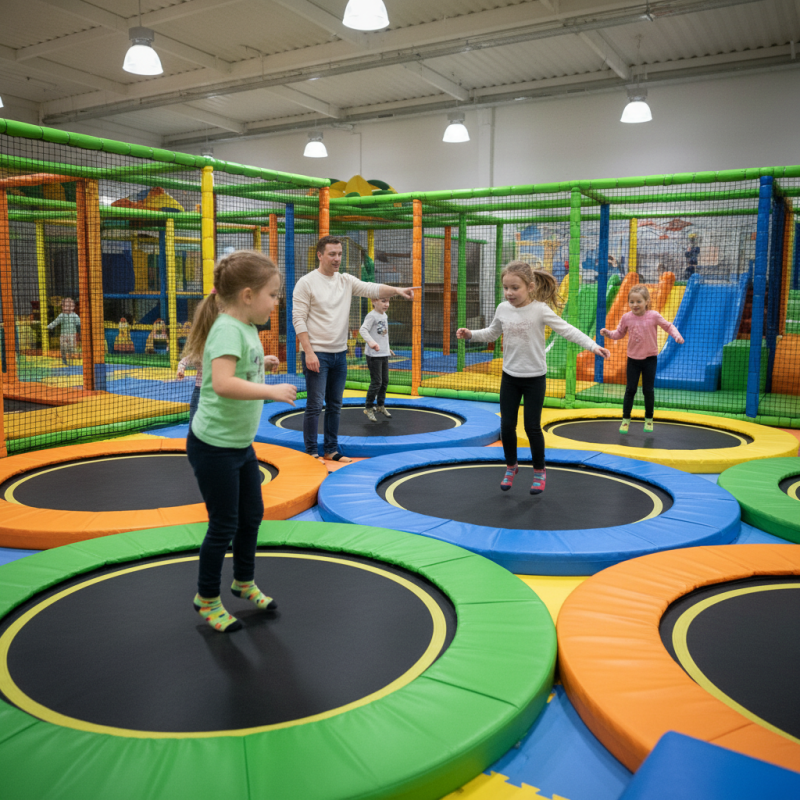
Indoor playgrounds equipped with trampolines offer a fun experience for kids. Trampoline jumping is popular, especially among children aged 5 to 12. According to a study by the American Academy of Pediatrics, injuries associated with trampoline use can increase significantly. In 2019, the U.S. Consumer Product Safety Commission reported over 14,000 emergency room visits due to trampoline-related injuries. Safety measures are crucial.
Understanding trampoline basics is key for parents. Indoor trampolines vary in design. Some are large, allowing multiple jumpers, while others are smaller, designed for one child. Safety nets and padded edges are essential features. The American Association of Pediatricians emphasizes monitoring jumps closely. Children should have designated jumping times to avoid collisions.
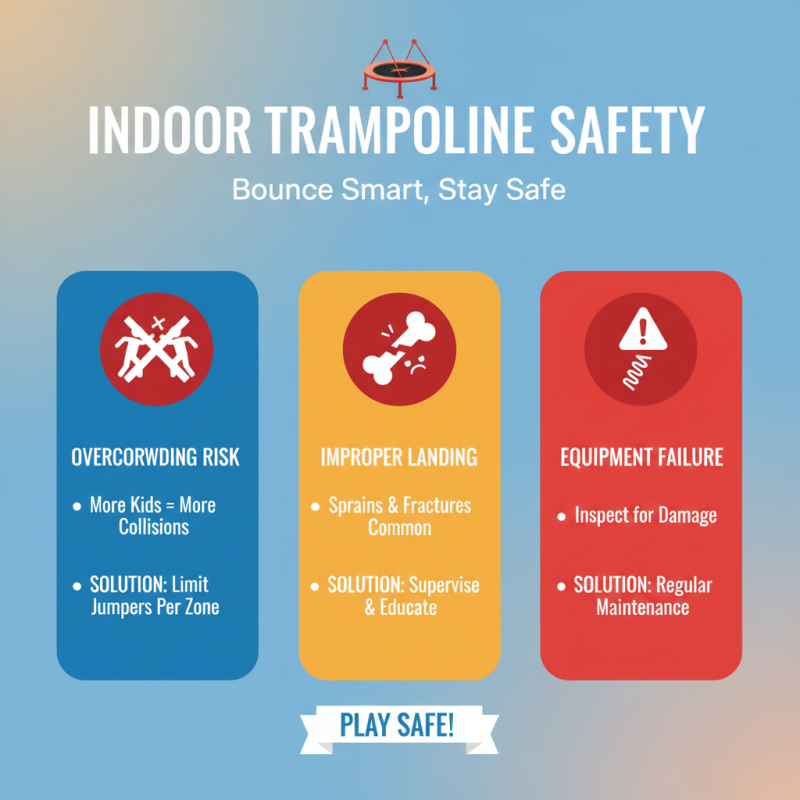
While trampolines are fun, they can be risky. Kids may attempt stunts that lead to falls. Educational programs can teach jumpers safe landing techniques. Ensuring kids wear proper socks reduces slip hazards. Regular inspections of trampoline equipment can prevent accidents. Remember, fun should always come with safety.
Common Safety Hazards in Indoor Trampoline Playgrounds
Indoor trampoline playgrounds are fun but can have safety hazards. It’s crucial to recognize and address these risks. One common issue is overcrowding. When too many kids jump at once, the chance of collisions increases. A simple rule can help: limit the number of jumpers per area.
Another concern is the surroundings. Safety pads and nets should be intact and free of any tears or holes. If they are damaged, falls can lead to injuries. Parents should check the play area before allowing kids to jump. Sometimes, kids get too excited and forget safety rules. They may push or shove others while jumping. This behavior can create dangerous situations.
Supervision is key in keeping the play environment safe. Attentive adults can intervene when necessary. However, distractions can occur. A phone call, a chat with another parent, or even a moment of inattention can lead to an accident. Constant monitoring is needed. It’s important to remind kids about safe jumping practices, such as avoiding flips or tricks that could lead to falls. Engaging children in safety reminders can make them more aware.
Essential Safety Equipment for Children Using Trampolines
When kids jump on trampolines, safety gear is a must. An estimated 100,000 injuries occur annually in the U.S. from trampoline-related accidents, according to the American Academy of Pediatrics. Protective equipment helps reduce risks. Basic gear includes trampoline pads and safety nets. These items cushion falls and prevent kids from bouncing off the trampoline.
A proper landing surface is crucial. Many facilities use safety mats that absorb impact. These mats come in various thicknesses. Choosing the right thickness can significantly reduce injury severity. A mat that's too thin may not offer enough support. Also, ensuring that the trampoline is free from debris can prevent slips and falls. Regular inspections are vital for maintaining equipment.
Parents should emphasize supervision. Statistics show that children aged 5-14 suffer the majority of trampoline injuries. A responsible adult can monitor jumps and prevent rough play. Mixed-age jumping can lead to accidents if older kids jump with toddlers. It’s important to create clear rules: one jumper at a time, no flips. These guidelines help keep kids safe while they enjoy endless hours of fun.
Guidelines for Adult Supervision in Trampoline Activities
Trampoline activities can be thrilling for kids, but adult supervision is crucial for safety. Parents and caregivers need to remain vigilant. Keeping an eye on the jumping area helps prevent accidents. Kids can easily get distracted. They might forget safety rules when they are having too much fun.
It's essential to set boundaries for the number of jumpers. Too many kids on a trampoline at once can lead to collisions. There should always be an adult present to enforce these rules. Intervening when kids start roughhousing can prevent injuries. Encourage them to take turns or to jump in designated areas.
Pay attention to the equipment as well. Regularly check for any wear and tear. Springs and mats should be in good condition. If something seems off, don’t hesitate to step in. Reflect on how you can improve supervision. What could you do differently to keep your children safer? Sometimes, a small step can make a big difference in preventing mishaps.
Tips for Teaching Kids Safe Jumping Techniques on Trampolines
Teaching kids safe jumping techniques on trampolines is crucial for a fun experience. Start with the basics. Explain the importance of keeping the trampoline clear. Only allow one jumper at a time to prevent collisions. This simple rule can reduce injuries significantly.
Next, focus on body positioning. Encourage kids to jump straight up and down. Teach them to land with their feet together. This position helps maintain balance. Remind them to bend their knees upon landing. It’s easy to forget, but it can soften the impact.
Also, monitor their energy levels. Kids can get overexcited and lose focus. It’s important to take breaks and hydrate. Jumping can become overwhelming, leading to risky behaviors. Encourage mindfulness about their surroundings. Ask them to pay attention to where others are jumping. Safety should always come first, even during play.


 CONTACT NUMBER
 CONTACT NUMBER
 CONTACT NUMBER