Top Indoor Soft Play Equipment Trends for 2026 What to Know?
As we approach 2026, the landscape of Indoor Soft Play Equipment is evolving rapidly. Industry expert Dr. Emily Carter emphasizes the significance of innovation, stating, “The future of indoor play lies in creating immersive and interactive experiences.” These experiences are essential for engaging children in a safe and enjoyable environment.
In recent years, there has been a noticeable shift toward environmentally friendly materials and technology-driven play structures. Manufacturers are focused on sustainability, reflecting growing concerns about the environment. The blend of technology with play is not just a trend; it’s becoming a standard expectation among parents and operators alike.
Designers are also considering the diverse needs of children. They incorporate elements that promote physical activity, cognitive development, and social skills. However, implementing these trends requires careful planning and reflection. Businesses must regularly evaluate their offerings to stay relevant. The Indoor Soft Play Equipment industry is filled with opportunities, but without adaptability, many could fall behind.
Emerging Innovations in Indoor Soft Play Equipment for 2026
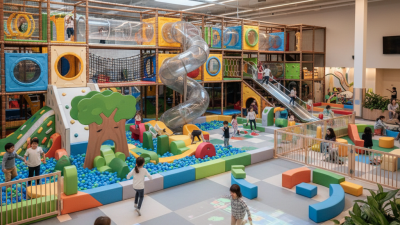
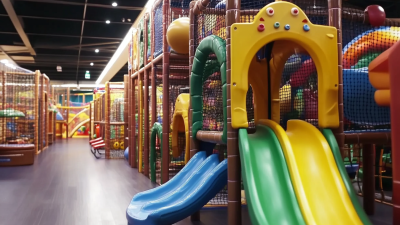
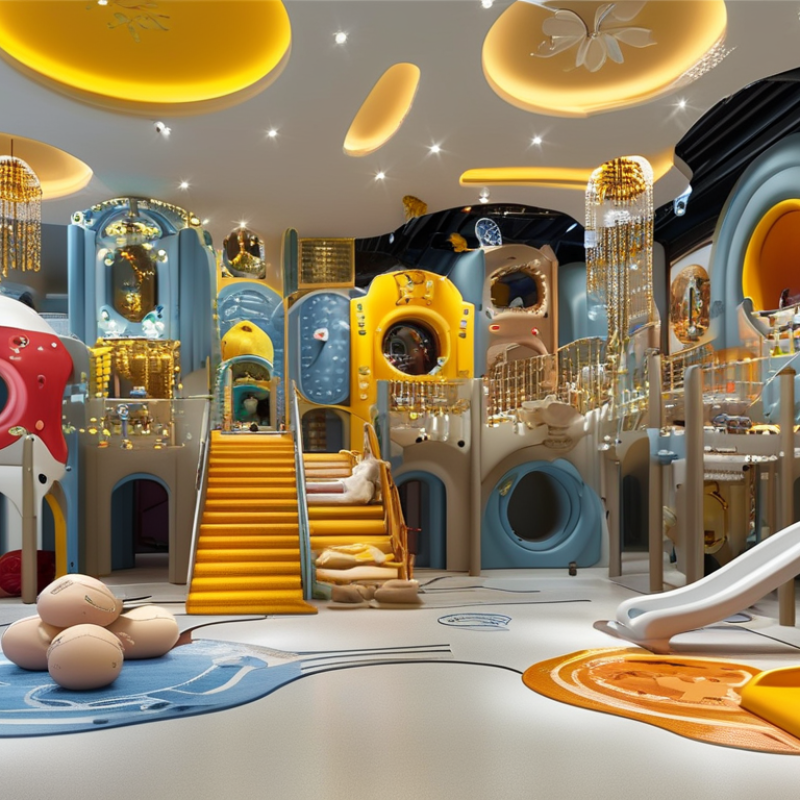
As we look ahead to 2026, the landscape of indoor soft play equipment is rapidly evolving. Emerging trends highlight a move towards interactive experiences that engage children in unique ways. Equipment designers are increasingly focusing on sensory play elements. These innovations nurture creativity and cognitive development through touch, sound, and visual stimulation. Bright colors and engaging shapes now dominate designs. This transformation enriches the play environment.
Tips: Consider the layout of your play space. Elements should encourage movement while ensuring safety. Use soft, durable materials for added comfort and security. Integrating climbing structures with slides fosters physical exercise and coordination.
Moreover, technology is making its mark. Augmented reality features are gaining traction within soft play areas. Children can embark on scavenger hunts or interactive games that blend virtual and physical experiences. Collaboration between kids is promoted through these technological advancements. However, it’s important to balance screen time with physical activity. Reflect on how much tech is appropriate in a play setting. Keeping both digital and physical play in harmony will help create a well-rounded experience.
Sustainability Trends Influencing Indoor Play Areas Design
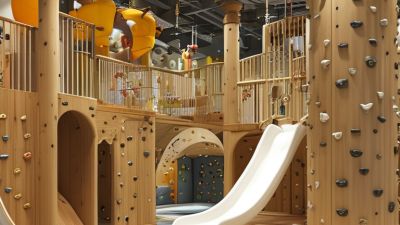
Sustainability is reshaping the design of indoor play areas. As awareness of environmental issues grows, parents and facility owners are seeking eco-friendly options. Materials sourced from renewable resources are gaining popularity. These include bamboo, recycled plastics, and non-toxic paints. Such choices not only reduce environmental impact but also enhance safety for children.
Natural light is another focus in modern designs. Play spaces with large windows allow sunlight to flood in, creating a cheerful environment. This reduces the need for artificial lighting, promoting energy savings. Additionally, incorporating greenery through indoor plants can improve air quality and aesthetics. It creates a more inviting atmosphere for young explorers.
However, there are challenges in implementing these trends. Finding affordable sustainably sourced materials can be difficult. Moreover, balancing eco-friendliness with durability requires thoughtful design. Facilities may struggle to maintain play equipment that adheres to sustainability standards. This ongoing reflection is crucial as the industry moves forward, ensuring that play areas remain safe, enjoyable, and environmentally responsible.
Top Indoor Soft Play Equipment Trends for 2026
| Trend |
Description |
Sustainability Focus |
Projected Impact |
| Eco-Friendly Materials |
Incorporating biodegradable and recycled materials into play structures. |
Reduces carbon footprint and promotes recycling. |
High, as consumers prioritize eco-friendly options. |
| Modular Play Systems |
Flexible equipment that can be reconfigured as needed. |
Maximizes space usage and lifespan of materials. |
Moderate, caters to diverse customer needs. |
| Nature-Inspired Designs |
Play areas designed to mimic natural environments. |
Incorporates natural elements to enhance play. |
High, engages children and promotes environmental awareness. |
| Digital Integration |
Incorporating technology for interactive experiences. |
Energy-efficient tech to reduce waste. |
High, as it enhances engagement and learning. |
| Health and Hygiene Standards |
Focus on materials that are easy to clean and sanitize. |
Promotes health and safety in indoor environments. |
High, essential for customer confidence. |
Safety Standards Shaping the Future of Soft Play Equipment
Safety is a primary concern for indoor soft play equipment. As trends evolve, so do safety standards. Manufacturers are adopting stricter regulations to ensure children can play without risks. This shift is crucial as more facilities prioritize non-toxic materials and impact-absorbing surfaces. Such features can significantly reduce injury rates.
The design of play equipment is also changing. There's a notable focus on creating spaces that allow for supervised play. Transparent enclosures are becoming more common. They help parents keep an eye on their kids while ensuring their safety. However, does more supervision mean less freedom for kids? This question lingers in discussions among experts.
Furthermore, ease of maintenance is gaining attention. Regular checks are vital to ensure equipment remains safe. Many facilities struggle with the wear and tear of high-usage items. Maintenance teams must be trained effectively to handle repairs swiftly. Such measures help maintain the integrity of safety standards. However, it begs the question: are we doing enough to ensure compliance?
Technological Integration in Indoor Play Spaces for Enhanced Experience
In 2026, indoor play spaces are set to embrace cutting-edge technology. Implementing virtual reality (VR) in soft play areas is on the rise. A recent report indicates that 40% of play centers plan to introduce immersive experiences. These environments can engage children in ways traditional setups cannot. For instance, VR allows children to explore virtual worlds safely while developing cognitive skills.
Interactive installations are also gaining traction. Studies show that 70% of parents seek tech-integrated options for their children. Touchscreen games, responsive lighting, and sound installations create a dynamic environment. These elements enhance creativity and group interaction. However, some spaces may struggle to balance technology with physical activity. Keeping kids active is essential for health.
Challenges persist in maintaining equipment quality and safety amid these trends. Regular maintenance is crucial to prevent accidents. Reports suggest that 15% of indoor play facilities face issues with outdated technology. Facilities need training staff to manage modern equipment effectively. Parents appreciate safe environments that promote play and learning.
Top Indoor Soft Play Equipment Trends for 2026
Designing Inclusive Play Areas for Diverse Age Groups and Abilities
Creating inclusive play areas is essential for engaging diverse age groups and abilities. These spaces should cater to all children, ensuring they can play together safely. Incorporating sensory elements, such as textured surfaces and varied sound options, can stimulate sensory exploration. This is vital for children with autism or sensory processing issues.
When designing, consider mobility challenges. Install ramps and wide entrances to ensure everyone can access different play zones. Equally, adjustable equipment allows various heights for different users. Provide quiet zones, where children can take a break from overstimulation.
Reflecting on these approaches reveals complexities. What works for one group may not suit another. It’s crucial to involve parents and caretakers in the design process. Gathering feedback can lead to better solutions and a more enjoyable experience for everyone involved. Inclusion is not just about meeting standards; it's about fostering a shared community spirit.


 CONTACT NUMBER
 CONTACT NUMBER
 CONTACT NUMBER