How to Create an Inspiring Outdoor Playground Design for Children in 2025
Creating an inspiring outdoor playground design for children in 2025 demands not just innovation but also a profound understanding of what makes playspaces truly engaging and beneficial for the developing child. As we look to the future, the essence of outdoor playground design will shift towards fostering creativity, promoting physical activity, and enhancing social interactions among children. This evolution will reflect advancements in materials, technology, and a deeper awareness of children’s needs and preferences.
In 2025, outdoor playground design will prioritize inclusivity and sustainability, ensuring that all children, irrespective of their abilities, can access and enjoy play environments. Moreover, the incorporation of natural elements will become a central theme, bridging the gap between structured play and the unpredictable beauty of nature. Designers are expected to emphasize spaces that encourage imaginative play, allowing children to explore their creativity while learning valuable skills in teamwork, problem-solving, and resilience.
As we delve into the key aspects of outdoor playground design, it is essential to envision play areas that not only entertain but also educate, inspire, and connect children with their surroundings. By understanding the trends and principles that will shape playgrounds in the near future, we can create spaces that truly resonate with the young minds of tomorrow.
Key Principles of Inspiring Playground Design for Children
Creating an inspiring outdoor playground design for children in 2025 entails a deep understanding of the key principles that govern an enriching play environment. According to the American Academy of Pediatrics, engaging with nature is crucial for childhood development, promoting physical health, cognitive growth, and emotional well-being. A well-designed playground incorporates natural elements such as trees, water features, and terrain variations that encourage exploratory play. Research indicates that children who engage in outdoor play with natural elements are 20% more likely to develop critical thinking skills and a connection to their environment.
Safety is paramount in playground design, yet it should never compromise creativity and exploration. The National Playground Safety Institute emphasizes the importance of using age-appropriate equipment and ensuring proper surfacing materials to minimize injury risks. Statistics reveal that structured play surfaces can reduce the incidence of playground-related injuries by up to 50%. Furthermore, inclusive design principles must be integrated to accommodate children of all abilities, fostering a sense of community and belonging. The World Health Organization highlights that inclusive play settings can enhance social skills and teamwork among children, thus preparing them for collaborative learning experiences in the future. By adhering to these principles, playgrounds can become dynamic spaces that not only provide fun but also contribute significantly to children's overall development.
Inspiring Playground Design Trends for Children in 2025
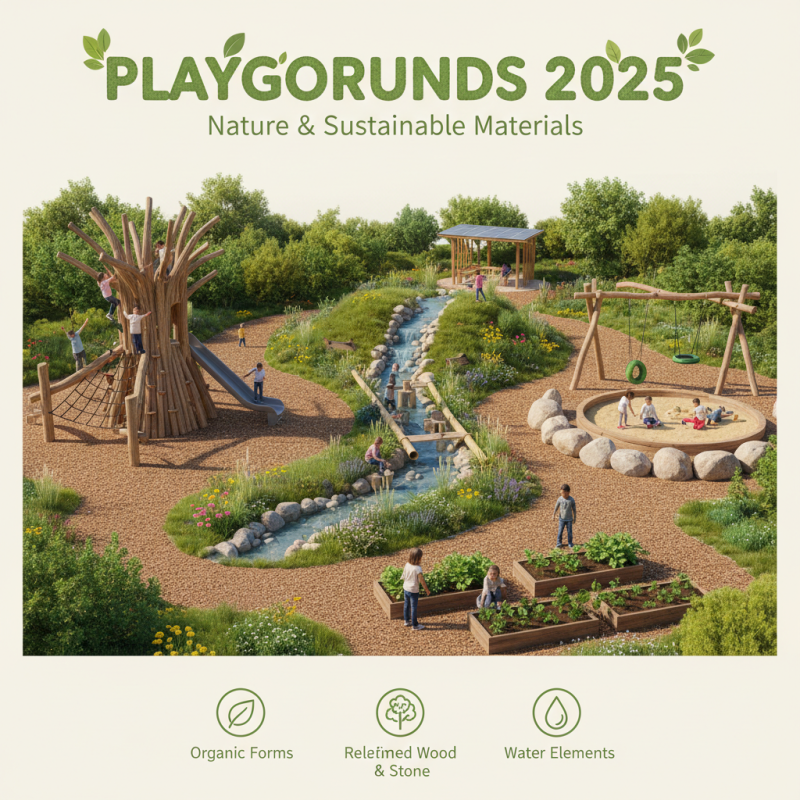
Incorporating Nature and Sustainable Materials in Playgrounds
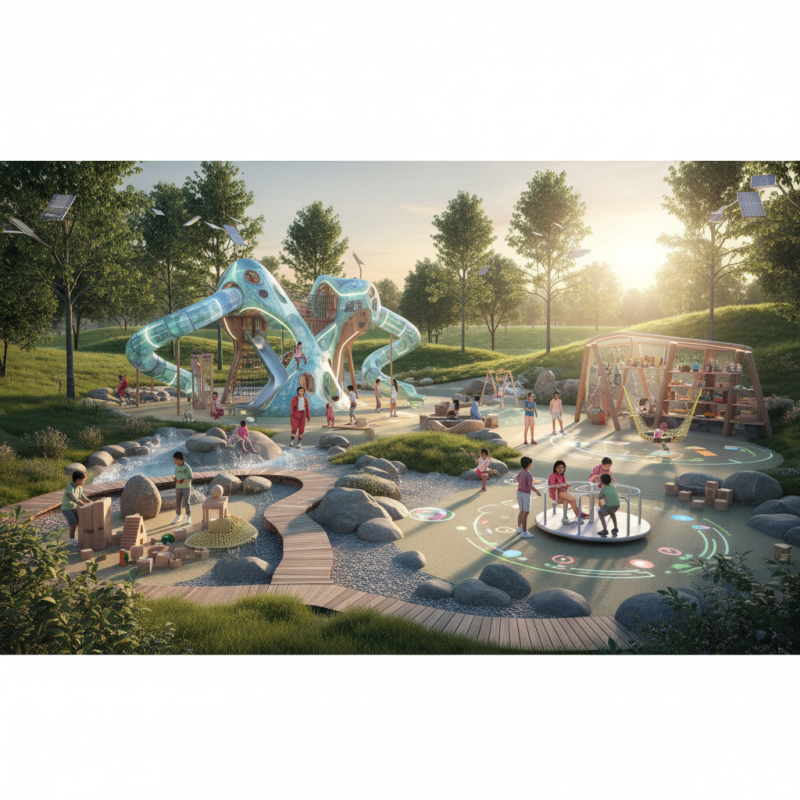
In designing an inspiring outdoor playground for children in 2025, incorporating nature and sustainable materials emerges as a primary focus. Creating environments that reflect the beauty of the natural world not only fosters a sense of adventure in children but also promotes their physical and emotional well-being. By utilizing organic forms and materials found in nature, such as wood, stone, and native plants, playgrounds can encourage children to engage in imaginative play while fostering a connection to the environment. Features like naturalistic climbing structures and flowing water elements can create a more immersive experience, allowing children to explore their surroundings in a safe and enjoyable manner.
Sustainability should be at the forefront of playground design, prioritizing eco-friendly materials that minimize environmental impact. Recycled plastics, reclaimed wood, and non-toxic finishes can ensure that playgrounds are safe for children while being gentle on the planet. Additionally, incorporating green roofs or planting trees within the playground area can provide shade and enhance biodiversity, creating a space where children can learn about ecology firsthand. By intertwining educational elements related to conservation and sustainability, playgrounds can serve as outdoor classrooms that inspire the next generation to appreciate and protect the natural world around them.
Innovative Play Structures: Trends for 2025 and Beyond
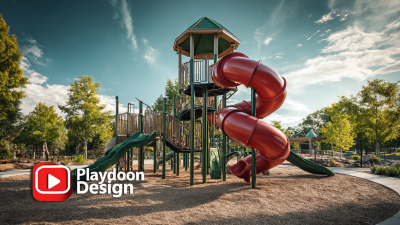
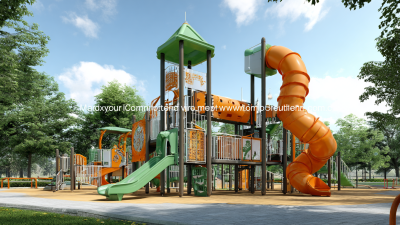
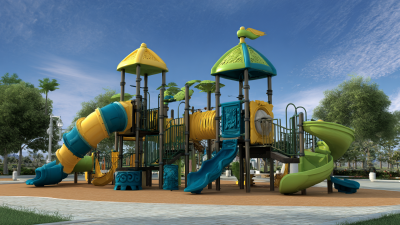
In 2025 and beyond, the concept of outdoor playgrounds is evolving, embracing innovative play structures that not only prioritize fun but also enhance children's development through dynamic and engaging environments. One significant trend is the use of modular play systems that can be adapted and reconfigured based on the needs of the children and the available space. These adaptable structures encourage creativity and interaction, allowing children to explore various play scenarios, from climbing and balancing to imaginative play.
Another emerging trend is the incorporation of nature-inspired designs, which aim to harmonize playground structures with the natural environment. By integrating elements such as natural materials, organic shapes, and green spaces, these playgrounds foster a deeper connection between children and nature. Features like climbing walls made of boulders, treehouse structures, and sensory gardens not only provide physical challenges but also stimulate children's senses and encourage exploratory play. Furthermore, the inclusion of technology, such as interactive digital play stations that respond to children's movements, is gaining traction, blending physical activity with digital engagement to create a holistic play experience that aligns with the lifestyles of future generations.
Safety Standards and Accessibility in Playground Design
When designing an outdoor playground for children in 2025, prioritizing safety standards and accessibility is paramount. Modern playgrounds must adhere to stringent safety regulations to ensure that they are free from hazards that could result in injury. This includes using impact-absorbing materials for surfaces, ensuring sufficient spacing between equipment, and incorporating rounded edges on all structures. Regular inspections and maintenance protocols also play a crucial role in keeping playgrounds safe over time. By integrating these safety standards, playground designers can create environments where children can explore and play with minimal risk.
Accessibility is equally important in contemporary playground design, as it ensures that children of all abilities can participate in play. This involves creating inclusive spaces that cater to children with physical, sensory, or cognitive challenges. Features such as wheelchair-accessible paths, adaptive swings, and sensory play areas can make a significant difference. Furthermore, designers should consider the layout and height of equipment to ensure that all children can engage with the playground in meaningful ways. By focusing on both safety standards and accessibility, playgrounds can become vibrant, welcoming places that inspire creativity and physical activity in all children.
Engaging Communities in the Playground Design Process
Engaging communities in the playground design process is essential for creating outdoor spaces that truly resonate with the needs and aspirations of children and their families. According to a report by the National Recreation and Park Association, inclusive community engagement can lead to a 60% increase in user satisfaction with playgrounds. By involving parents, teachers, and local residents in the planning stages, designers can gather invaluable insights that help shape a space that is not only safe and fun but also fosters social connections and meets diverse developmental needs.
Furthermore, research published by the American Institute of Architects highlights that collaborative design processes can significantly affect a playground’s success, with projects that include community input being 30% more likely to succeed in achieving their intended use. Engaging children in the design process allows designers to incorporate elements that spark creativity and encourage active play. From interactive installations to sensory-rich environments, community involvement ensures that the playground reflects the unique character of the local area while promoting inclusivity and accessibility for all children.
How to Create an Inspiring Outdoor Playground Design for Children in 2025 - Engaging Communities in the Playground Design Process
| Design Element |
Importance |
Community Engagement Methods |
Environmental Considerations |
Adaptability for Future Needs |
| Safety Features |
Critical |
Workshops and surveys |
Use of non-toxic materials |
Flexible equipment for various age groups |
| Inclusive Play Options |
Essential |
Focus groups with diverse communities |
Natural shade and green spaces |
Modular playground elements |
| Interactive Equipment |
Highly Beneficial |
Feedback sessions |
Sustainable sourcing |
Easily upgradable tech features |
| Creative Design Themes |
Important |
Community art events |
Biophilic design principles |
Capacity for future enhancement |
| Accessibility Features |
Crucial |
Public forums and discussions |
Water management and drainage |
Design for evolving community needs |


 CONTACT NUMBER
 CONTACT NUMBER
 CONTACT NUMBER