Top Outdoor Playground Design Trends for 2026?
The world of Outdoor Playground Design is evolving rapidly. As we approach 2026, trends are emerging that reflect our changing perspectives on play and nature. These designs are about more than just fun; they aim to foster creativity, physical activity, and social interaction among children.
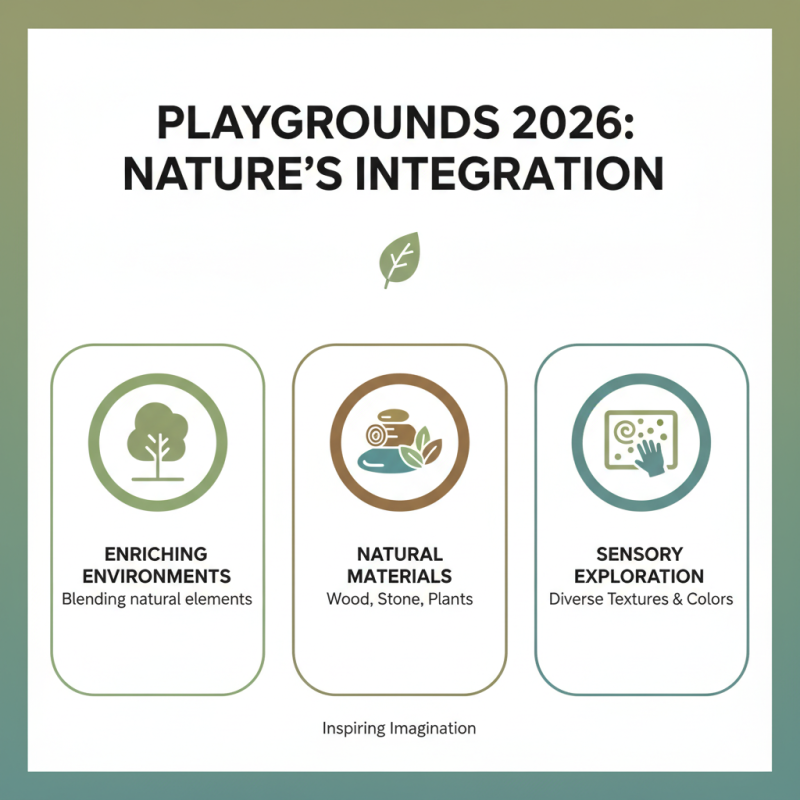
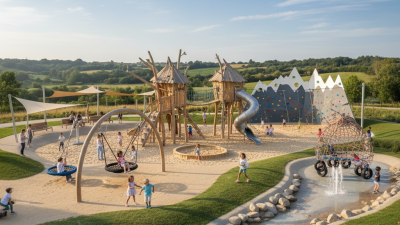
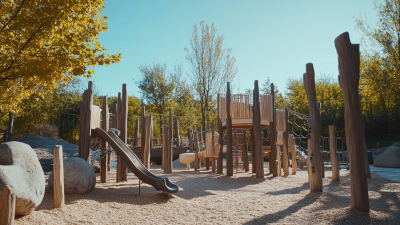
One notable trend is the integration of natural elements. Playgrounds are becoming greener, featuring natural materials like wood, stones, and plants. This approach not only beautifies spaces but also encourages imaginative play. However, it's crucial to balance these elements with safety and maintenance. Another trend is inclusive play structures. Creating spaces for children of all abilities is more important than ever. While many designs aim for inclusivity, there's still room for improvement in accessibility features.
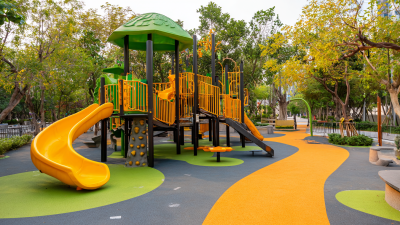
Colorful, engaging themes are another focus. Bright colors and imaginative themes can stimulate children’s creativity. Yet, too much can overwhelm their senses. As Outdoor Playground Design continues to evolve, we have both opportunities and challenges ahead. Balancing aesthetics, safety, and inclusivity is key to creating playgrounds that truly serve our communities.
Emerging Themes in Outdoor Playground Design for 2026
The outdoor playground design landscape is evolving rapidly. By 2026, trends will focus on inclusivity and sustainability. According to a recent industry report, nearly 45% of parents prioritize inclusive designs. This shift means playgrounds must cater to all abilities. Features like wheelchair-accessible swings and sensory play areas are becoming essential.
Sustainability is another growing theme. Data indicates 70% of municipalities are prioritizing eco-friendly materials. Recycled plastics and natural wood will dominate playground structures. More parks may incorporate native plants, enhancing biodiversity. However, many designs still overlook maintenance challenges. Design needs to balance aesthetics with long-term upkeep.
Community involvement will also shape playgrounds. Local input can lead to engaging spaces that reflect the area's identity. Yet, not all projects gather adequate public feedback. Ignoring community voices can result in underused playgrounds. As we move toward 2026, thoughtful consideration is vital. Playgrounds should inspire all children, while addressing modern environmental needs.
Integration of Nature and Natural Elements in Play Spaces
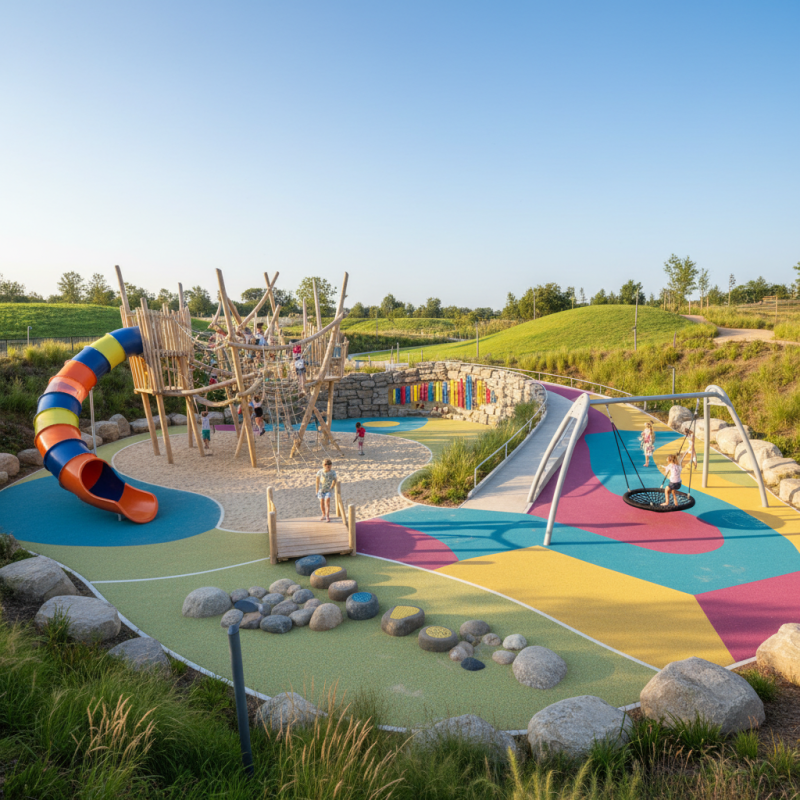
As we approach 2026, outdoor playground designs will increasingly focus on the integration of nature. Natural elements will create enriching environments for children. Play areas might feature wood, stone, and plants. They will offer diverse textures and colors, capturing children's imaginations.
Incorporating nature isn’t just aesthetics; it provides learning opportunities. A balance of open spaces and shaded areas will encourage exploration. Natural play structures can inspire creativity. However, balancing safety and nature can pose challenges. Some designs may not consider fall zones adequately or overestimate natural material durability.
Aiming for sustainable materials is essential. Yet, it’s important to test these elements in real settings. Children’s interactions with nature are vital for their development. There’s a risk of overlooking how they engage with these spaces. Ensuring that play areas remain engaging and safe while embracing nature is a complex task. Community feedback can offer valuable insights into successful designs.
Focus on Inclusivity and Accessibility in Play Equipment
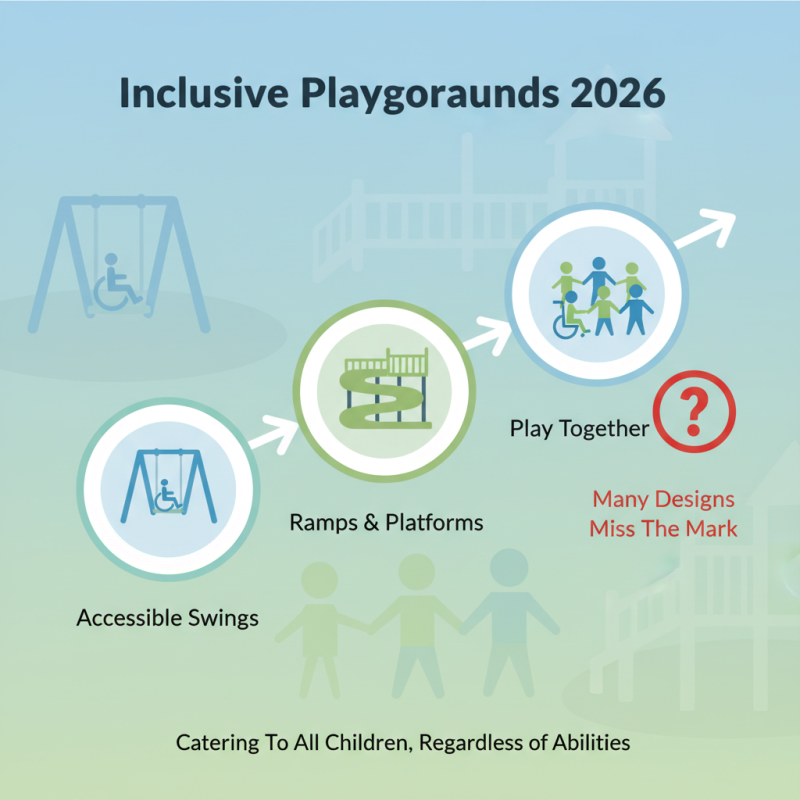
As we approach 2026, the focus on inclusivity and accessibility in outdoor playground design is more crucial than ever. Playgrounds should cater to all children, regardless of their abilities. This means incorporating features like wheelchair-accessible swings and ramps. The aim is to ensure every child can play alongside their peers. However, many designs still miss the mark.
Incorporating sensory elements is also essential. Textured surfaces, bright colors, and interactive installations create engaging experiences for children with sensory processing challenges. But not all playgrounds do this well. Some still prioritize aesthetics over functionality. It begs the question: Are we truly considering the needs of all children?
Collaboration with experts is vital. Designers should consult therapists and educators to create effective, inclusive spaces. It’s not enough to have the right equipment; the layout matters too. Open sightlines can help caregivers monitor children better. In some cases, common sense seems lacking. Still, the commitment to inclusivity in playground design is growing. The journey might be slow, but the importance of creating a welcoming environment is undeniable.
Technological Innovations Shaping Playgrounds of the Future
As we look ahead to 2026, playgrounds are evolving. Technology is reshaping how children play and learn outdoors. Imagine interactive surfaces that respond to touch, bringing playscapes to life. Kids can step onto digital platforms that change colors or produce sounds with their movements. This adds a new layer of engagement, making playtime more exciting.
Incorporating augmented reality can also enhance outdoor experiences. Children could explore virtual worlds while climbing on slides or swings. This blend of the real and digital invites creativity. However, relying heavily on tech can overshadow the simple joys of traditional play. Balance is crucial.
Tip: Encourage outdoor adventures without screens. Nature exploration fosters imaginative play. Also, consider safety. Not all tech toys are equally safe. Look for designs that prioritize children's well-being. Reflect on the idea that while innovation is essential, free play remains invaluable. Letting kids create their own games promotes essential life skills.
Top Outdoor Playground Design Trends for 2026
| Trend |
Description |
Key Features |
Impact on Children |
| Smart Playgrounds |
Integration of digital technology to enhance play experiences. |
Interactive games, AR experiences, data tracking. |
Encourages cognitive development and tech literacy. |
| Naturalistic Elements |
Designs that incorporate natural materials and landscapes. |
Wooden structures, live plants, boulders and logs. |
Promotes sensory engagement and environmental awareness. |
| Inclusivity Features |
Playgrounds designed for children of all abilities. |
Adaptive equipment, wheelchair-friendly surfaces. |
Encourages social interaction and cooperation. |
| Sustainable Materials |
Use of recycled and eco-friendly materials in playgrounds. |
Recycled plastics, natural fibers, and non-toxic finishes. |
Fosters environmental responsibility and awareness. |
| Physical Activity Focused |
Designs that promote active play and exercise. |
Climbing structures, obstacle courses, fitness zones. |
Enhances physical health and coordination skills. |
Sustainability Practices in Outdoor Playground Construction and Design
The trend towards sustainability in outdoor playground design is gaining momentum. Designers are focused on incorporating eco-friendly materials. Wood, recycled plastics, and natural elements are becoming staples. These materials reduce environmental impact and create a connection to nature. Playgrounds should feel integrated into their surroundings, not separate from them.
Consider using local resources when designing a playground. This cuts transportation emissions and supports the community. Plants and trees native to the area can enhance the landscape. This choice not only attracts local wildlife but also educates children about their environment. Such features encourage them to engage with nature, fostering a deeper understanding of ecology.
Tips for creating a sustainable playground: choose non-toxic finishes and paints. Ensure all materials are safe for kids and the planet. Think about water management in the design. Rain gardens or permeable surfaces can help reduce runoff. Finally, plan for the future. Consider how the playground will evolve over time and adapt with changing needs.


 CONTACT NUMBER
 CONTACT NUMBER
 CONTACT NUMBER