What is Play Area Equipment? Essential Features and Benefits Explained
Play Area Equipment plays a crucial role in the development and well-being of children, providing them with opportunities for physical activity, social interaction, and imaginative play. According to the International Playground Equipment Manufacturers Association (IPEMA), active play is essential for children's physical fitness and overall health, with studies showing that children need at least 60 minutes of physical activity each day. Well-designed play areas equipped with safe, engaging equipment help facilitate this activity by encouraging children to explore and challenge themselves.
Moreover, the benefits of Play Area Equipment extend beyond physical health. Research from the Centers for Disease Control and Prevention (CDC) indicates that active play fosters important cognitive and social skills, enhancing children's ability to interact with peers and develop problem-solving abilities. Investing in high-quality Play Area Equipment not only promotes a healthier lifestyle but also contributes to the social and emotional development of children, making it a valuable asset in communities, schools, and parks. As urban planning increasingly incorporates these spaces, understanding the essential features and benefits of Play Area Equipment becomes vital for creating environments that nurture healthy growth in future generations.
Understanding Play Area Equipment: Definition and Purpose
Play area equipment plays a crucial role in child development, serving as a foundation for physical, social, and cognitive growth. Defined broadly, play area equipment includes various structures and installations designed for children's recreational use. According to a 2021 report by the International Play Equipment Manufacturers Association, the global market for playground equipment is projected to reach approximately $3 billion by 2025, highlighting the rising importance of safe and engaging play environments.
The primary purpose of play area equipment is to provide children with opportunities for creative and active play, which is essential for their overall well-being. Equipment such as swings, slides, and climbing structures not only enhance physical fitness but also foster critical social skills as children engage in cooperative play. A study published in the Journal of Childhood Development found that children who regularly play in well-designed play areas exhibit improved motor skills and increased social interaction, proving that quality play equipment can significantly impact a child's growth trajectory.
By investing in safe and stimulating play environments, communities can promote healthier lifestyles and encourage the vital interplay of movement and imagination among children.
Key Features of Play Area Equipment for Enhanced Play Experience
When it comes to play area equipment, several key features significantly enhance the overall play experience for children. One of the primary aspects is safety. Equipment should be constructed with rounded edges, non-toxic materials, and sturdy designs to minimize the risk of accidents.
Furthermore, safety surfacing, such as rubber mats or soft grass, can cushion falls and protect children during playtime, ensuring a secure environment for exploration and fun.
Another essential feature is versatility. Play area equipment should offer a variety of activities that cater to different age groups and skill levels. This includes climbing structures, slides, swings, and interactive games that promote physical activity and social interaction. By providing diverse options, the equipment encourages children to develop critical motor skills, creativity, and teamwork while engaging in active play.
Additionally, incorporating elements that stimulate imagination, like themed structures or sensory components, can further enrich the play experience, inviting children to explore and discover in a way that fosters cognitive development.
Types of Play Area Equipment: A Comprehensive Overview
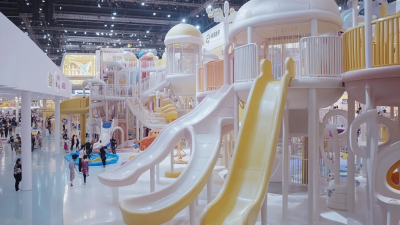
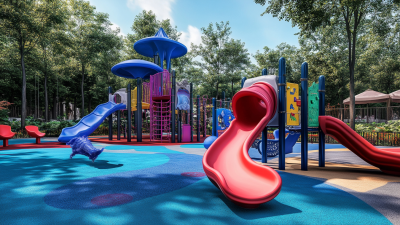
When discussing play area equipment, it’s important to understand the various types available and their essential features. Playgrounds can include traditional equipment like swings, slides, and climbing structures, as well as more modern additions such as sensory play panels and interactive musical instruments.
According to a report from the International Playground Equipment Manufacturers Association (IPEMA), play equipment that encourages physical activity can significantly enhance children's motor skills and promote overall health, which is why its design and safety standards are crucial.
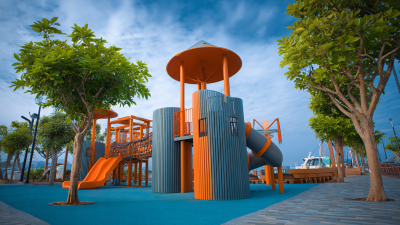
In addition to traditional structures, natural play areas are gaining popularity, featuring elements like logs, boulders, and water features that blend with the environment. Research from the American Academy of Pediatrics highlights that children benefit from playing in such settings, as it fosters creativity and problem-solving skills while enhancing their connection with nature.
When selecting play area equipment, consider incorporating a variety of types to cater to different age groups and developmental stages.
Tips: Ensure that the equipment complies with safety standards outlined by organizations such as ASTM or CPSC and regularly conduct safety inspections. Additionally, consider the play area layout to encourage social interaction, allowing children to engage in cooperative play which further develops their social skills.
Benefits of Play Area Equipment for Child Development and Learning
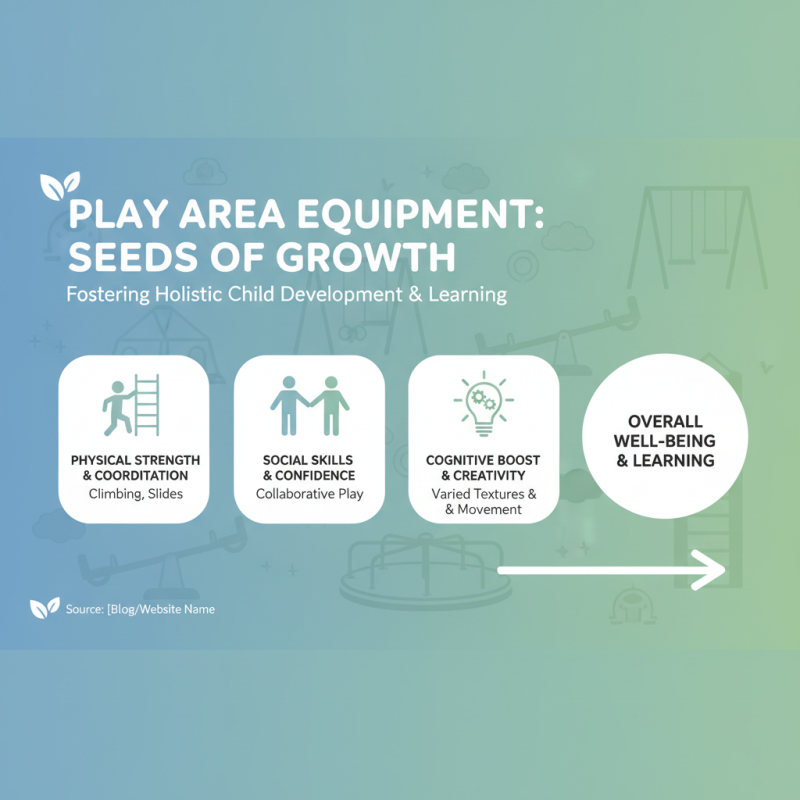
Play area equipment plays a pivotal role in fostering child development and learning. These installations are meticulously designed to engage children physically, socially, and cognitively. For instance, climbing structures and slides not only enhance physical strength and coordination but also boost confidence as children overcome challenges. Engaging in outdoor play stimulates creativity, and the varied textures and movements encountered promote sensory development, crucial for young children as they explore their surroundings.
Moreover, play areas encourage social interaction among children, which is vital for learning essential life skills such as teamwork, sharing, and communication. As children navigate through games and collaborative play, they develop problem-solving abilities and emotional intelligence. This unstructured playtime fosters a sense of community, enabling children to form friendships and learn from each other. Ultimately, play area equipment serves as a foundational tool for holistic development that transcends mere fun, laying the groundwork for lifelong skills that benefit children's future academic and social endeavors.
Safety Standards and Maintenance for Play Area Equipment
When it comes to play area equipment, ensuring safety standards is paramount. Equipment should comply with the guidelines set forth by national playground safety organizations, which often cover aspects such as material durability, structural integrity, and the presence of protective surfaces. Regular inspections play a critical role in adhering to these standards, helping to identify potential hazards such as rust, loose parts, or unsafe wear. By conducting routine assessments, playground managers can take necessary actions to mitigate risks and ensure a secure environment for children.
Tip: Always keep a checklist for regular inspections. Include items such as checking for sharp edges, rust, and the safety of swings and slides. Document your findings to maintain a record of safety compliance.
Maintenance is equally essential in prolonging the life of play area equipment and ensuring a safe play environment. This involves not only routine cleaning but also timely repairs. It’s vital to have a maintenance schedule that addresses seasonal wear and any damage caused by weather or heavy use. Utilizing weather-resistant materials and protective coatings can further enhance the durability of equipment.
Tip: Consider implementing a seasonal maintenance routine. For instance, inspect and clean equipment in the spring to prepare for peak use in summer, and again in the fall to address any damage before winter weather impacts.
Play Area Equipment Features and Benefits


 CONTACT NUMBER
 CONTACT NUMBER
 CONTACT NUMBER