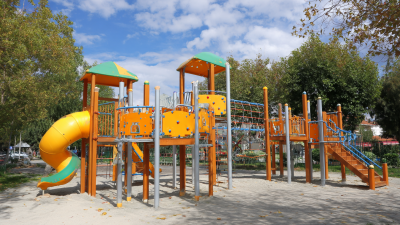
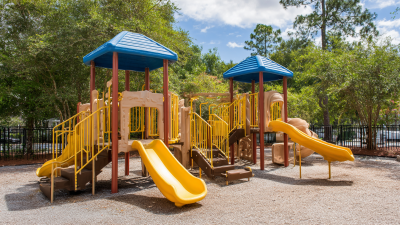
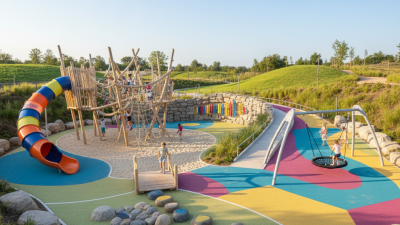
Choosing the right Playground Outdoor Equipment is essential for creating a safe and fun environment for children. With numerous options available, it can be challenging to make the best choice. Each type of equipment serves a different purpose and age group. Selecting the right pieces can foster physical activity and social interaction.
When considering Playground Outdoor Equipment, think about safety first. Look for sturdy materials and relevant safety standards. Equipment should encourage imaginative play while minimizing injury risks. You want children to enjoy their playtime without worry.
It's also vital to consider the available space. Not all playgrounds have the same layout or size. Large swings may not fit in smaller areas. Reflecting on your specific requirements will help create an engaging atmosphere. However, it’s common to overlook these details. Taking a moment to assess your needs and the equipment’s capabilities can lead to better decisions and outcomes.
Playground outdoor equipment is essential for children's development. It includes swings, slides, climbing structures, and more. According to industry reports, such equipment promotes physical activity, fostering motor skills and coordination. Children aged 2 to 5 particularly benefit from age-appropriate designs that support their growth. Active play can reduce obesity rates by 16%, highlighting the need for accessible outdoor spaces.
The purpose of playground equipment extends beyond fun. It provides opportunities for social interaction and emotional growth. Communal play areas encourage teamwork among children, teaching them to share and cooperate. Research indicates that children who engage in outdoor play show improved cognitive skills and creativity. Equipment that challenges them, like climbing walls, can also boost confidence.
However, not all playgrounds are created equal. Safety standards must be met to protect children from injuries. A recent study revealed that about 45% of playground-related injuries occur on improperly designed equipment. Regular inspections and maintenance are crucial for ensuring safety. As communities invest in playgrounds, it's vital to consider these aspects and prioritize children's well-being.

When selecting playground equipment, it’s essential to understand the various types suitable for different age groups. Equipment designed for toddlers should encourage exploration and safe play. Soft climbing structures, small slides, and interactive panels are ideal for younger children. These features allow them to develop motor skills while enjoying their time at play.
For preschoolers and early school-aged children, equipment can be more challenging. Bigger slides, monkey bars, and balance beams engage their growing abilities. They love to climb and swing. It's a chance for imaginative play. However, safety cannot be ignored. Ensure surfaces are soft and well-maintained to avoid injuries.
Equipment for older children tends to be more complex. They often seek adventure and stimulation. Think about larger structures featuring ropes, zip lines, and multi-level climbing walls. These options encourage teamwork and social interaction. Still, keep in mind that supervision is crucial, as children at this age may push limits. This variety helps meet their diverse needs but reflects the importance of choosing wisely based on their developmental stages.
| Type of Equipment | Recommended Age Group | Benefits |
|---|---|---|
| Swings | 2 - 12 years | Enhances balance and coordination. |
| Slides | 3 - 10 years | Encourages social interaction and play. |
| Climbing Structures | 5 - 12 years | Builds strength, endurance, and problem-solving skills. |
| Spinners | 3 - 8 years | Develops core strength and spatial awareness. |
| Seesaws | 4 - 10 years | Promotes teamwork and communication. |
Outdoor play equipment provides children with opportunities for physical activity and creativity. However, safety should be the top priority. Understanding safety standards is crucial for selecting appropriate equipment. Organizations have established key regulations to ensure that outdoor play structures are safe for kids.
One major set of standards comes from the American Society for Testing and Materials (ASTM). They outline requirements for materials, design, and installation. Compliance is necessary to reduce risks of injury during play. For example, fall zones around equipment should be clear and appropriate padding is essential. Inspecting equipment for sharp edges or loose parts is also vital in maintaining safety.
Additionally, equipment should be age-appropriate. What works for toddlers is often unsuitable for older children. Regular inspections and maintenance go a long way. Yet, some caretakers may overlook these tasks. This negligence can lead to dangerous situations. Ensuring compliance with safety standards can create a healthier play environment for all children.
When choosing playground equipment, several factors deserve your attention. Safety is paramount. Inspect the materials. Ensure they meet safety standards. Select equipment designed for age-appropriate use. This can prevent accidents and ensure that children safely enjoy playtime.
Consider the space available for installation. Measure the area accurately before making selections. The equipment must fit the landscape. You also need to ensure there is enough space to walk around. Overcrowded areas can lead to chaos and potential injuries.
Don't overlook maintenance. Choose materials that require minimal upkeep. Wooden structures might need regular treatment. Metal ones can rust. Evaluate your ability to maintain the equipment over time. Reflecting on these factors can guide you in making informed decisions.
Regular maintenance and inspection of playground outdoor equipment are essential for safety. According to the U.S. Consumer Product Safety Commission, about 200,000 playground injuries occur each year, highlighting the need for diligent oversight. Equipment should be checked for wear and tear, such as rust or loose parts. Inspectors should also assess the surrounding surface material. A safe, resilient surface can significantly reduce injury risks.
Visual inspections are critical. Inspectors need to look for sharp edges, entrapment hazards, and broken components. Industry standards recommend a monthly inspection. A detailed checklist can help maintain consistency. For example, check swing seats for tears, and ensure slides are free of cracks. These tasks may seem tedious, but they are vital for child safety.
Maintenance should not stop at inspections. Regular cleaning of the equipment is necessary. This includes removing debris that can pose safety hazards. An industry report states that cleanliness can reduce the likelihood of injuries, as contaminants can lead to slips. Equipment should be documented after each inspection to track issues over time. Keeping records is a best practice, yet many facilities overlook this step. Comprehensive attention to detail is required to ensure a safe play environment.