What is Soft Playground Equipment and Why is it Important?
Soft Playground Equipment plays a crucial role in child development. According to the International Play Equipment Manufacturers Association (IPEMA), using soft materials in play areas reduces injury risk by up to 80%. This statistic underscores the importance of implementing safe designs.
Such equipment includes soft mats, padded structures, and foam blocks. It encourages active play while minimizing hazards. Benefits extend beyond safety; engaging play shapes social skills and teamwork. Yet, there are challenges in maintaining high-quality standards. Many less-proven suppliers enter the market, which can compromise safety.
In a world where injuries from play can lead to serious consequences, prioritizing soft playground environments should be a collective responsibility. Investing in quality soft playground equipment not only protects children but also enhances their play experience. Creating a balance between safety and fun requires continuous reflection and improvement.
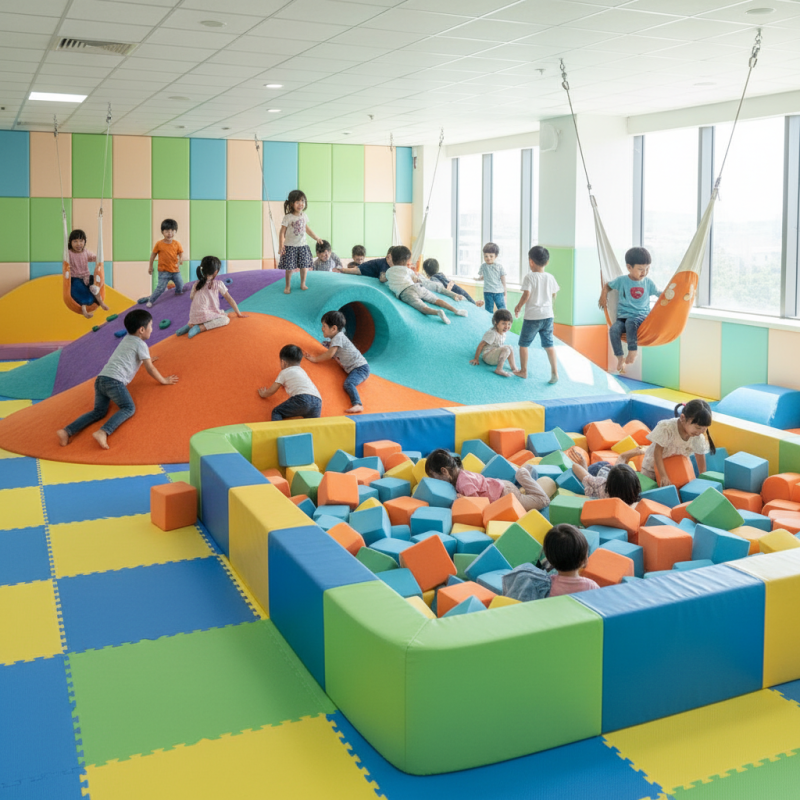
Definition of Soft Playground Equipment
Soft playground equipment refers to items designed to create safe play environments for children. This type of equipment typically includes soft surfaces, padded structures, and resilient materials. It aims to minimize injuries during playtime. Soft playground equipment can be found in parks, schools, and daycare centers. The primary goal is to encourage active play while ensuring children are protected from falls and collisions.
These play structures often incorporate colorful designs and engaging textures. They invite children to explore while keeping safety in mind. Parents and caregivers appreciate the reassurance that their children can play freely without the risk of serious injury.
However, not all soft playground equipment meets safety standards. Some equipment may wear out over time or become damaged, requiring regular inspections and maintenance. This ongoing attention is vital to ensure the equipment remains safe and enjoyable for children. Engaging in play should be a fun and secure experience, yet attention needs to be directed toward the upkeep of these structures.
Key Features of Soft Playground Equipment
Soft playground equipment plays a vital role in creating safe play environments for children. This type of equipment is often made from foam, rubber, or other soft materials. The design minimizes injury risks during falls or collisions. For instance, soft mats can absorb shock and reduce the impact. Children can explore and enjoy playtime without the fear of getting hurt.
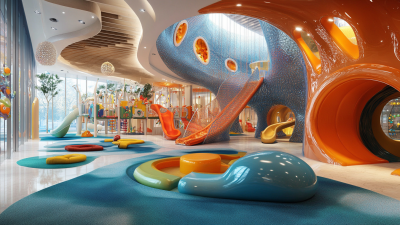
Another key feature is the colorful design. Bright colors attract children’s attention, encouraging them to engage in active play. Shapes and textures also add an element of fun. Space is important too; having enough room for movement prevents congestion. Kids can climb, jump, and slide freely. However, even with safety features, supervision remains crucial. Parents need to ensure children are playing safely.
Maintenance is another area for reflection. Regular checks on the equipment can prevent wear and tear. Some installations may suffer from weather damage or fading colors. This can be a safety concern. Therefore, keeping the area clean and well-maintained is essential. Ultimately, soft playground equipment enhances play experiences while prioritizing safety, but its upkeep is equally important.
What is Soft Playground Equipment and Why is it Important? - Key Features of Soft Playground Equipment
| Feature |
Description |
Importance |
| Safety |
Made from soft materials to prevent injuries during play. |
Reduces the risk of falls and accidents in playground environments. |
| Durability |
Constructed to withstand weather elements and heavy usage. |
Ensures longevity and continuous safe play for children. |
| Variety |
Available in multiple shapes, sizes, and colors. |
Enhances engagement and creativity in children's play. |
| Maintenance |
Easy to clean and maintain with minimal upkeep required. |
Promotes hygiene and safety, allowing for regular use. |
| Inclusive Design |
Features that accommodate children of all abilities. |
Ensures all children can participate and enjoy active play. |
Benefits of Soft Playground Equipment for Child Safety
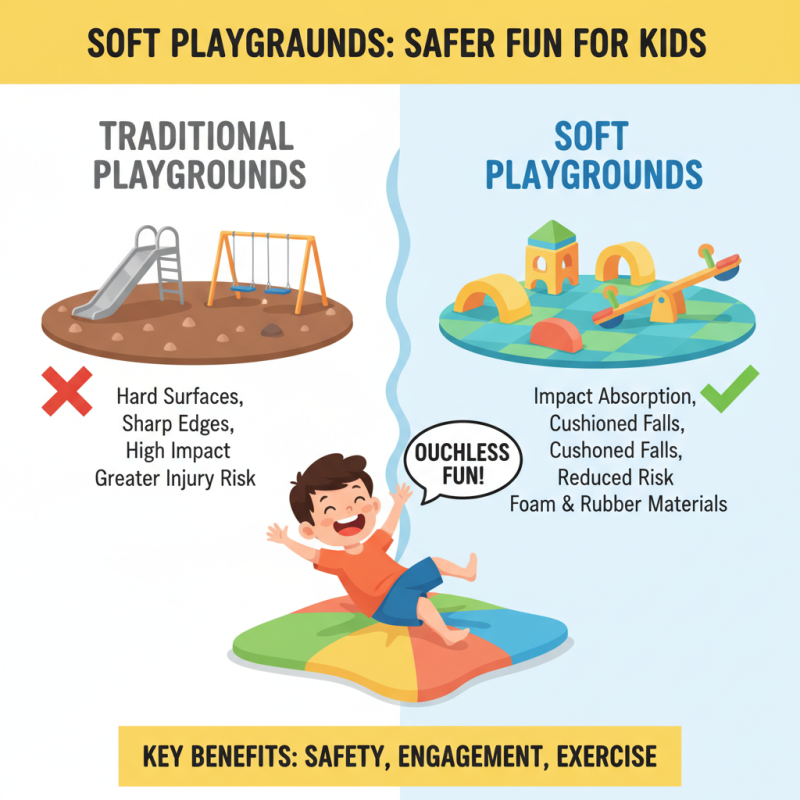
Soft playground equipment plays a crucial role in ensuring child safety during play. Traditional playgrounds often feature hard surfaces and sharp edges. In contrast, soft equipment absorbs impact and minimizes injury risks. Children can tumble or fall without severe consequences. The materials used, such as foam or rubber, are designed to cushion falls. Bright colors and engaging shapes draw children, making exercise fun and inviting.
The design of soft playground equipment also encourages imaginative play. Kids can explore and interact with their surroundings without fear. This fosters creativity and social skills. Parents often notice less anxiety. However, it’s vital to remember that supervision is still necessary. Parents might become complacent, thinking soft surfaces guarantee safety. They should stay engaged with their children during play.
One concern is that soft equipment often requires maintenance. Weather can wear it down. Regular inspections are essential to ensure everything remains safe. Some parents may overlook this aspect. They might assume all equipment is safe once installed. This assumption can lead to risks if not addressed. Awareness is key to maintaining a safe play environment. Ultimately, the importance of soft playground equipment lies in creating a safer, more enjoyable space for children.
Types of Soft Playground Equipment Available
Soft playground equipment is vital for children's play areas. It promotes safety and encourages active play. Several types of this equipment cater to various needs.
One popular option is soft foam mats. They provide cushioning for falls, reducing injuries. These mats come in various colors and patterns, making play areas visually appealing.
Another type is climbing walls with soft surfaces. Kids can engage in climbing safely while developing their motor skills.
Additionally,
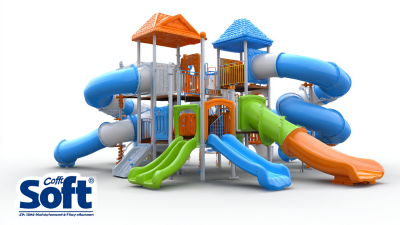
soft play structures are common. These often include tunnels and slides made from padded materials. Children can explore and socialize while remaining protected.
However, it's essential to regularly inspect this equipment.
Wear and tear can compromise safety. Moreover, cleaning and maintenance are often overlooked. Keeping the equipment in good condition is crucial for a safe play environment.
Importance of Soft Playground Equipment in Child Development
Soft playground equipment plays a vital role in child development. It provides a safe environment for children to explore and play. The materials used are usually forgiving and reduce the risk of injury. When kids fall or stumble, soft surfaces help minimize impacts. This is especially important for active play.
Children develop physical skills on soft playgrounds. They learn to balance, climb, and run. These activities promote coordination and strength. Social skills also blossom as kids interact while playing. Sharing space and taking turns are key lessons in cooperation. Parents often overlook these aspects of playtime.
Emotional development benefits too. Soft equipment can ease anxiety. Kids feel more secure when playing in a safe setting. They can express themselves freely without fear of getting hurt. However, not every soft playground meets ideal safety standards. It’s essential for caregivers to regularly check equipment condition. Observing children at play gives insights into possible improvements. Play should be joyful, not just safe.


 CONTACT NUMBER
 CONTACT NUMBER
 CONTACT NUMBER