Modern Play Equipment Tips for Enhancing Child Development?
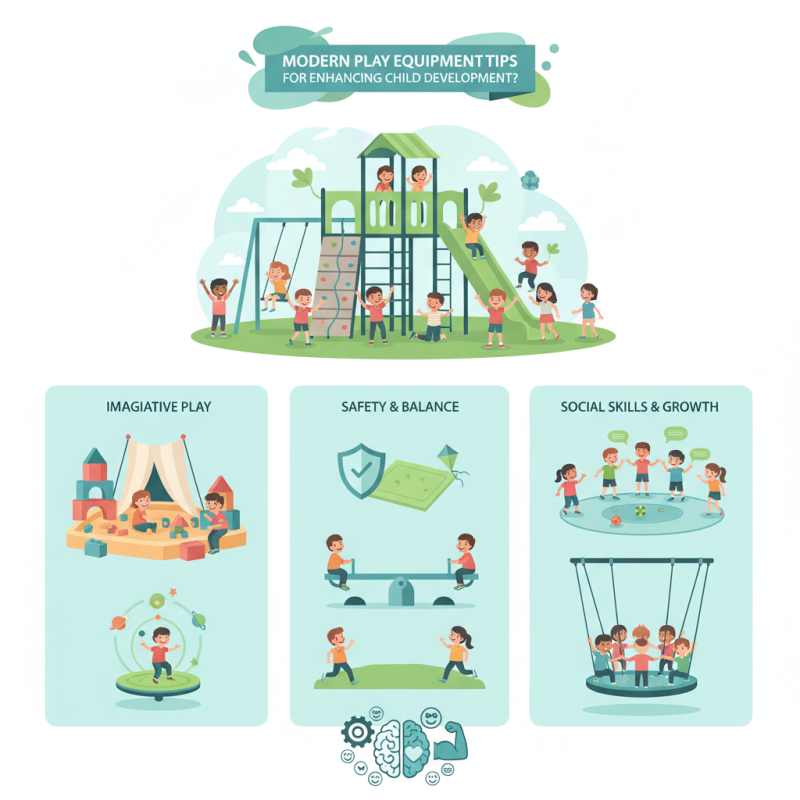
In today’s world, “Modern Play Equipment” plays a vital role in child development. This equipment offers various opportunities for imaginative play. Children can explore, learn, and grow through engaging activities. Swing sets, climbing frames, and interactive games engage their senses. These activities stimulate cognitive and physical skills.
However, not all play equipment is created equal. Safety is a critical factor, and many parents overlook it. Poorly designed equipment can lead to accidents. Balance is essential. While modern play structures can encourage creativity, they may also limit free play. Children need space to use their imagination beyond what is provided.
Modern play equipment should foster social skills as well. Group games encourage teamwork and communication. However, equipment that isolates children may hinder social development. It is essential to choose equipment that promotes interaction. Each piece of play gear can shape a child's experience. Thoughtful choices can truly enhance their overall growth and enjoyment.
Importance of Play in Child Development According to Research
Play is a crucial element in child development. Engaging in play allows children to explore their surroundings. Through play, they develop social skills and emotional resilience. Research highlights that unstructured playtime fosters creativity. Children build problem-solving skills while they invent games or create stories.
Physical play is equally important. It helps improve motor skills and coordination. Kids who climb, jump, or run experience body control. Each fall or stumble teaches them to get back up. However, safety is a concern. Not all play environments are designed well. Parents should assess spaces for hazards. Overly safe equipment might limit exploration. Finding a balance is key.
Social play nurtures relationships. Children learn to negotiate, share, and empathize. Disagreements during play can lead to valuable lessons. Yet, not all children feel comfortable in groups. Some might prefer solitary play. Recognizing this allows caregivers to support varied play styles. Observing these interactions can reveal much about a child’s feelings and preferences.
Types of Modern Play Equipment That Foster Cognitive Skills in Children
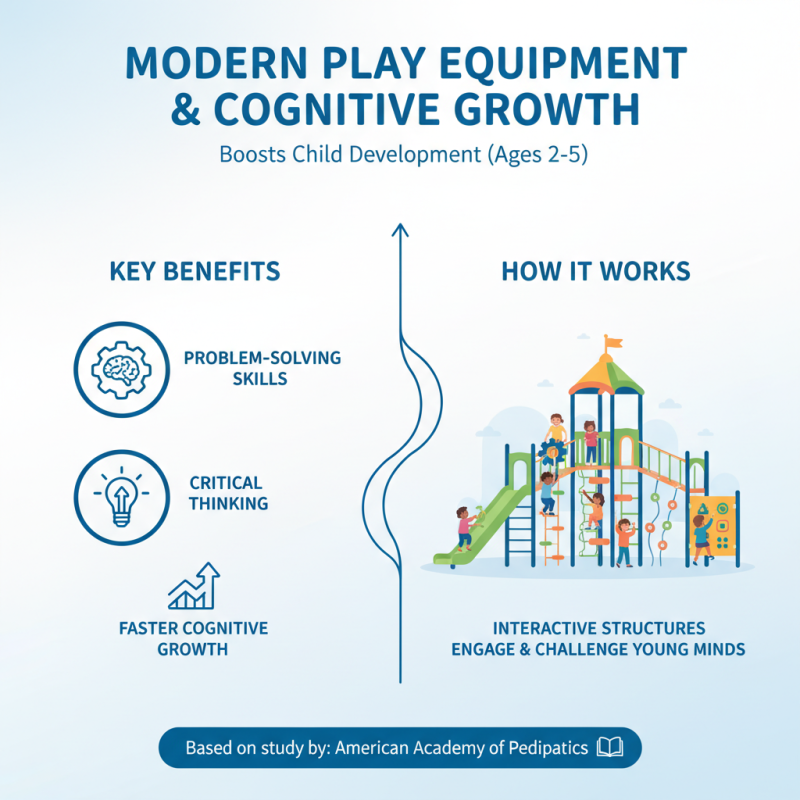
Modern play equipment can significantly impact child development, particularly in fostering cognitive skills. According to a study by the American Academy of Pediatrics, children aged 2-5 benefit greatly from interactive play structures. These structures encourage problem-solving and critical thinking, essential components of cognitive growth.
Types of equipment that support these skills include climbing walls and interactive panels. Climbing walls require children to plan their movements, enhancing spatial awareness and coordination. Meanwhile, interactive panels often feature puzzles and mazes, stimulating logical reasoning. Research shows that children engaging with such equipment display improved memory and attention spans.
However, not all play equipment is designed with cognitive skills in mind. Some structures may promote solitary play, limiting social interactions. This highlights a gap in the design of modern play spaces. Balancing physical activity with cognitive engagement can be challenging in play equipment design. This reflection prompts a reconsideration of how we approach children's play environments.
Physical Activity: The Role of Play Equipment in Motor Skill Development
Play equipment is a vital tool for enhancing children's motor skills. Climbing, sliding, and swinging help develop coordination and strength. Children engage in physical activity through play that promotes healthy development. It's not just fun; it's crucial for their growth.
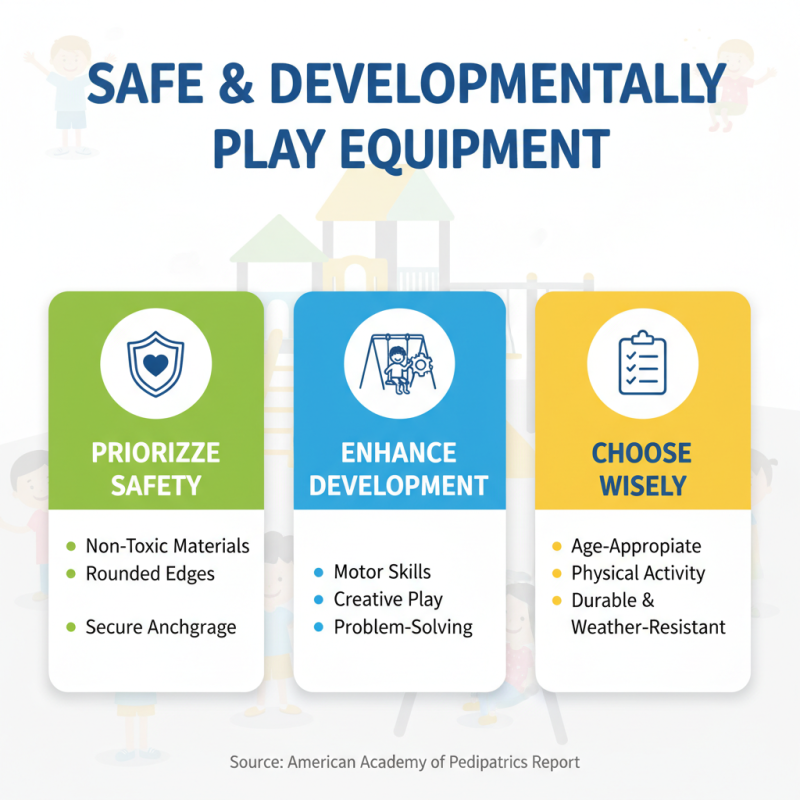
Here are some tips to enhance motor skill development: Choose equipment that suits various skill levels. This encourages children to challenge themselves without frustration. Look for multi-functional play structures that allow for climbing, balancing, and jumping. This variety keeps them engaged and interested in different movements.
Also, consider the safety of the equipment. Safe surfaces can minimize injuries while providing confidence to explore. Observe children as they play. Some may excel quickly while others take their time. Each child develops at their own pace. Celebrate small achievements and provide encouragement, as this boosts their confidence and willingness to try new activities.
Modern Play Equipment and Its Impact on Motor Skill Development
This chart illustrates the percentage of skill improvement in various motor skill areas as a result of using modern play equipment. The data showcases the significant impact play equipment has on enhancing children's gross and fine motor skills, coordination, balance, and agility, essential for their overall development.
Social Interaction and Emotional Growth Through Cooperative Play Structures
In today's playgrounds, cooperative play structures are key to fostering social interaction and emotional growth.
Research indicates that children who engage in cooperative play tend to develop better communication skills.
A study by the American Academy of Pediatrics found that playing together enhances empathy and conflict resolution.
To enhance child development through play, consider incorporating various play equipment that encourages teamwork.
For example, slides that accommodate multiple children can motivate them to work together.
Climbing frames can create scenarios where kids must collaborate to reach the top.
Engaging in these activities not only boosts physical health but also builds important social skills.
Here are some tips to enhance cooperative play:
- Create zones with different types of equipment, ensuring children can engage in group activities.
- Provide props that require teamwork, like large building blocks, to facilitate collaboration.
- Observe the interactions. Reflect on how children communicate and resolve conflicts. These details can inform future improvements in play spaces.
Keep in mind, creating these environments is a continuous process, requiring reflection and adjustments to meet children’s needs.


 CONTACT NUMBER
 CONTACT NUMBER
 CONTACT NUMBER