Inquiry
Form loading...

Top 10 Playground Outdoor Equipment for Kids Safety and Fun?

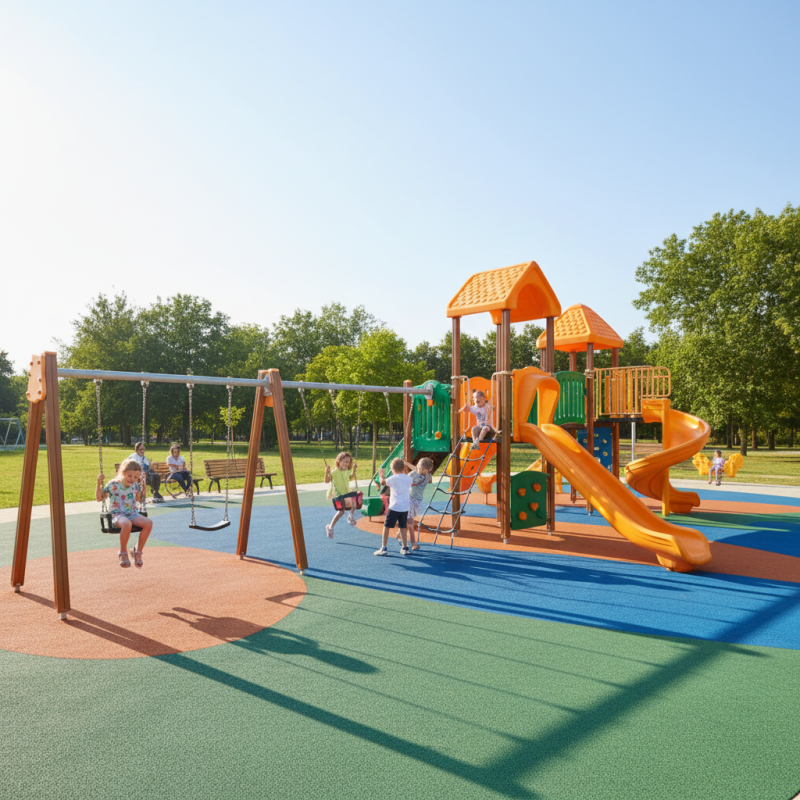
When selecting the best Playground Outdoor Equipment for kids, safety and fun should be top priorities. Parents often find it challenging to navigate the numerous options available. Each playground set comes with its own unique features, designs, and safety ratings. Understanding these factors is essential for making an informed choice.

Playground Outdoor Equipment not only promotes physical activity but also enhances social skills among children. Swings, slides, and climbing structures create environments where kids can interact and develop bonds. However, safety should never be compromised. Inspecting equipment for wear and ensuring proper installation is crucial.

It's important to remember that no piece of equipment is universally perfect. Some playsets may lack sturdiness or safety features you might expect. Regular maintenance is vital to keep everything in safe working order. While offering fun experiences, evaluating the overall quality and safety of playground equipment is an ongoing responsibility for every caregiver.

Top 10 Playground Outdoor Equipment for Kids Safety and Fun?

Essential Considerations for Choosing Safe Playground Equipment

Top 10 Playground Outdoor Equipment for Kids Safety and Fun?

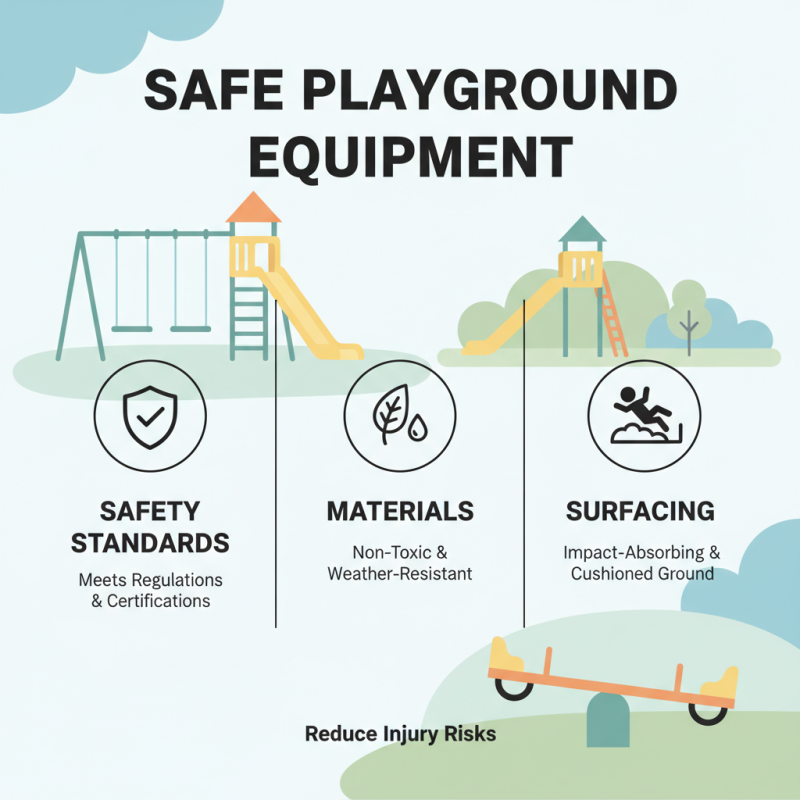
When selecting playground equipment, safety should be a primary consideration. Equipment must meet safety standards and regulations. Look for materials that are non-toxic and weather-resistant. This ensures durability and safety for your children. Also, consider the impact-absorbing surfaces under and around the equipment. Soft, cushioned ground can significantly reduce injury risks during falls.

Another essential aspect is age appropriateness. Equipment should cater to different age groups. What is safe for toddlers may not be suitable for older kids. Additionally, the design should minimize sharp edges and small parts. Safety gear, such as helmets and pads, can also provide extra protection during play.

Finally, maintain regular inspections of playground equipment. Over time, wear and tear can cause hazards. Sometimes, a seemingly minor issue, like a rusted bolt or fading colors, can escalate into a serious safety threat. Be proactive in addressing any concerns. Ensuring a safe play environment enhances kids' enjoyment and encourages their physical activity.

Types of Playground Equipment That Promote Active Play and Engagement

Top 10 Playground Outdoor Equipment for Kids Safety and Fun?

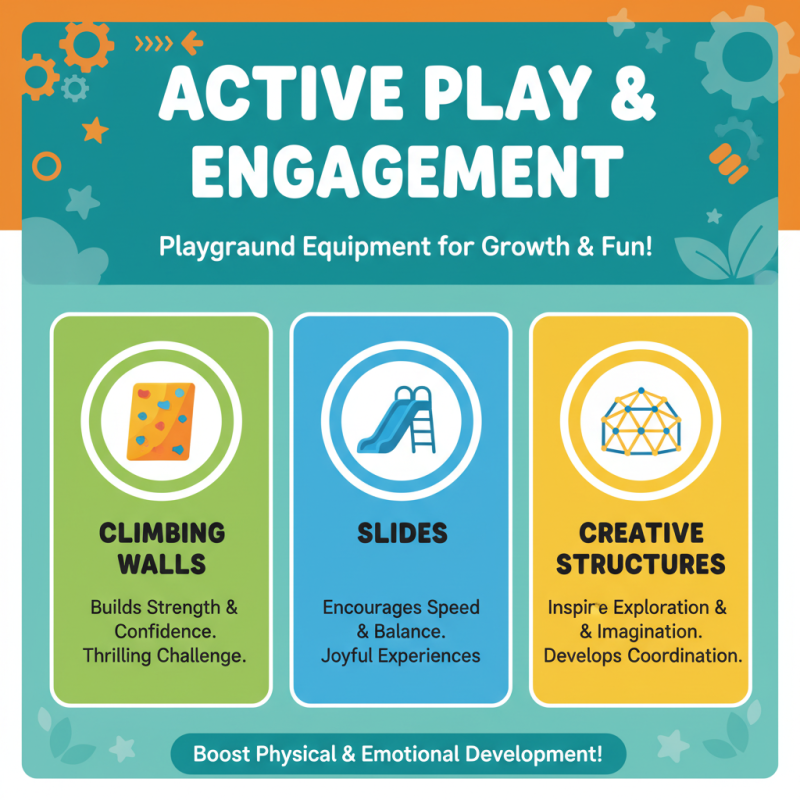
Active play is essential for children's physical and emotional development. Creative playground equipment can inspire kids to engage and explore. Climbing walls provide a thrilling challenge. They not only build strength but also boost confidence. Slides encourage speed and excitement, allowing for joyful experiences while practicing balance and coordination.

Swings create endless fun as kids soar through the air. This simple equipment promotes sensory processing and spatial awareness. Incorporating sandbox areas fosters imaginative play. Children get the chance to build and create, enhancing their motor skills. Additionally, spinning equipment, like merry-go-rounds, can be beneficial. It teaches social interaction and cooperation as kids take turns.

It's important, however, to assess the safety of each piece of equipment. Regular inspections and maintenance are crucial. Equipment that shows signs of wear can risk injury. Likewise, playground layouts should allow for visibility. Adults must be able to supervise play effectively. Reflecting on these aspects can lead to a safer, more enjoyable environment for all children.

Materials Used in Playground Equipment for Enhanced Safety Features

When selecting playground equipment, safety is paramount. The materials used significantly impact both safety and enjoyment. For instance, modern playgrounds often incorporate rubber surfacing. According to the American Society for Testing and Materials (ASTM), this material reduces the risk of severe injuries from falls. It absorbs impact well, making it preferable for areas with high traffic.

Steel and aluminum are popular for equipment frames. These metals provide durability and strength. They resist rust and weathering, extending the equipment's lifespan. However, parents should consider that metal surfaces can become hot in direct sunlight. This heating could pose risks for children playing without supervision.

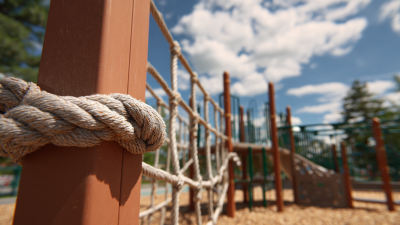
Wood remains a classic choice for swings and climbing structures. It offers a natural feel but requires regular maintenance. Over time, untreated wood can splinter, creating safety hazards. It's essential to inspect wooden equipment regularly.

Tips: Regular inspections keep playgrounds safe. Check for loose parts and sharp edges. Consider shade structures to protect kids from extreme heat. Always supervise young children to ensure they use equipment safely.

Top 10 Playground Outdoor Equipment for Kids Safety and Fun

Innovative Playground Designs for Outdoor Spaces and Child Development

Innovative playground designs play a crucial role in child development. Research indicates that structured playtime enhances cognitive skills, physical health, and social interactions. An extensive report by the National Association for the Education of Young Children highlights that children engaged in diverse play environments show improved problem-solving abilities and creativity. Outdoor spaces allow kids to explore and learn effectively.

Playgrounds should be equipped with safety features. For instance, using soft materials can reduce injury risks. A survey from the American Academy of Pediatrics reveals that playground accidents account for over 200,000 emergency room visits each year. This underscores the importance of thoughtful design in creating safe and engaging play areas. Installing age-appropriate equipment ensures that children of different developmental stages can enjoy the space safely.

Balancing safety and fun can be challenging. Many playgrounds feature structures designed to stimulate various senses. However, if these designs are too complex, they can lead to overcrowding and misadventures. Spaces should promote imaginative play while remaining accessible. Reflecting on community needs is essential for effective playground planning. Regular feedback from parents and caregivers can help improve existing designs and promote the well-being of children.

Top 10 Playground Outdoor Equipment for Kids Safety and Fun

Equipment Type Safety Features Child Development Benefits Recommended Age
Climbing Frame Non-slip grips, Rounded edges Strength and coordination 3-10 years
Swing Set Safety straps, Soft ground padding Balance and coordination 2-12 years
Slide Smooth edges, Safety railings Encourages risk assessment skills 2-8 years
Sandbox Covered when not in use Creativity and fine motor skills 1-6 years
Balance Beam Low height, Non-slip surface Balance and concentration 4-10 years
Seesaw Anti-tip design, Safety grips Social skills and coordination 3-12 years
Trampoline Safety netting, Padded edges Physical fitness and coordination 5-15 years
Playhouse Sturdy construction, Non-toxic materials Imaginative play and social interaction 2-8 years
Obstacle Course Padded surfaces, Clear instructions Agility and problem-solving 5-12 years
Merry-Go-Round Low profile, Safety handles Teamwork and spatial awareness 4-12 years

Maintenance Practices to Ensure Longevity and Safety of Equipment

Maintaining outdoor playground equipment is vital for ensuring safety and longevity. Regular checks should become a routine practice. Inspect equipment for rust, wear, and stability. Small issues can escalate into safety hazards. If a swing hangs unevenly, it can lead to accidents. Properly addressing these concerns promptly prevents injuries.

Cleaning is another essential maintenance practice. Remove debris and inspect surfaces for sharp edges. Children rush around, and hazards often go unnoticed. Ensure that surfaces are safe and well-maintained, offering protection against falls. Use non-toxic cleaners for safe environments. A clean playground is not just pleasant; it’s essential for child safety.

Finally, gather feedback from parents and children. They may notice issues that might slip under the radar. Sometimes, equipment may look fine but feels off. Listening to user experiences helps prioritize maintenance tasks. Encouraging open communication creates a safer play environment. Regular maintenance builds trust and keeps play areas enjoyable for everyone.