Top Garden Playing Equipment for 2026 What to Choose?
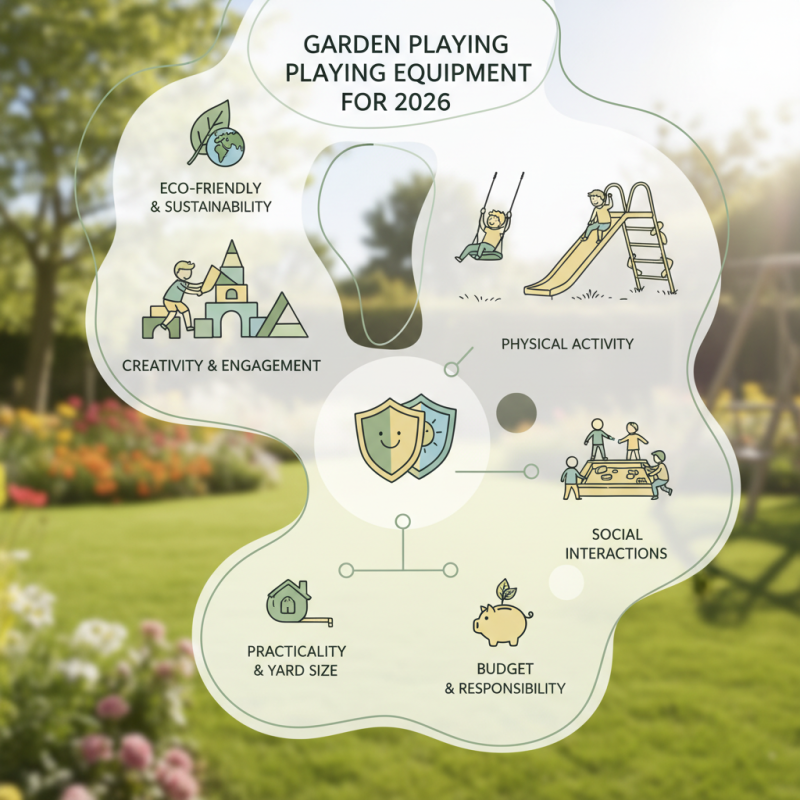
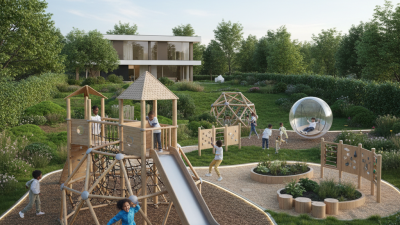
In 2026, choosing the right Garden Playing Equipment is more important than ever. With numerous options available, making the right choice can be challenging. Trends in outdoor play emphasize creativity and engagement. Families seek equipment that promotes physical activity, imagination, and social interactions among children.
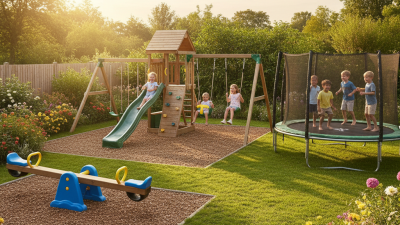
Consider playgrounds that blend fun with safety. Equipment should be sturdy yet inviting. Think about slides, swings, and climbing frames that capture a child's interest. However, not all choices are perfect. Some designs may not suit all yard sizes or budgets.
Exploring eco-friendly materials is a step forward. It's crucial to reflect on the equipment's impact on the environment too. Parents often prioritize aesthetics over functionality, but safety and sustainability should come first. Ultimately, the quest for the ideal Garden Playing Equipment combines joy, practicality, and responsibility.
Assessing Current Trends in Garden Play Equipment for 2026
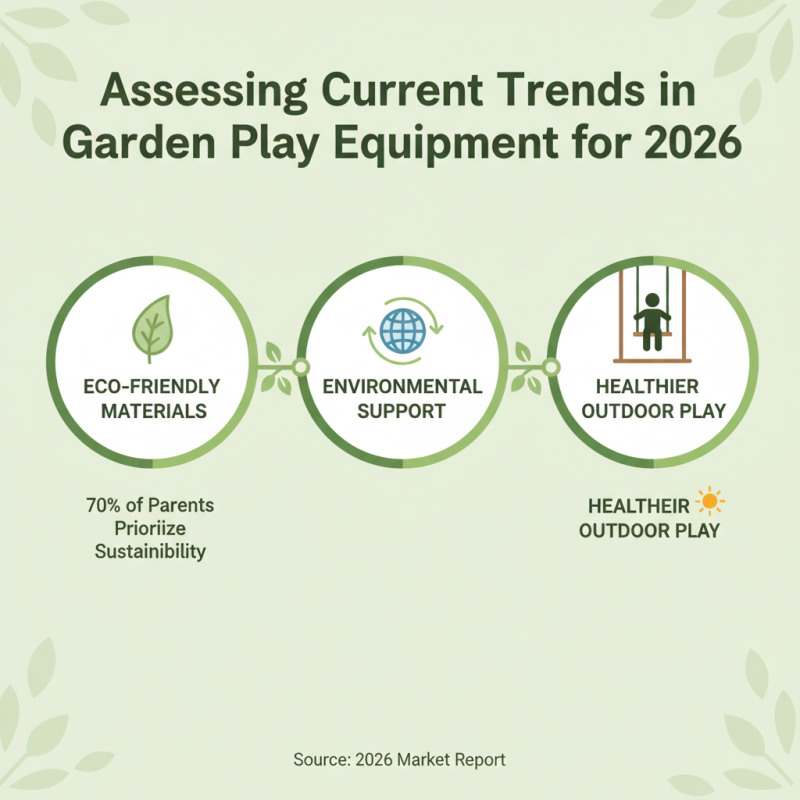
As we look towards 2026, the garden play equipment market is evolving. Trends indicate a strong preference for eco-friendly materials. A recent report highlights that 70% of parents prioritize sustainability when choosing play equipment for their children. This shift not only supports the environment but also promotes healthier outdoor play spaces.
Another key trend is the increase in multifunctional equipment. Parents seek options that can cater to various age groups and activities. Data indicates that 60% of families prefer play structures that include climbing features, slides, and swings in one. This variety keeps children engaged longer. However, there can be a downside; more features may increase maintenance and safety concerns.
The rise of technology integration in garden play is notable as well. Smart equipment is gaining attention, with 40% of parents expressing interest in interactive elements. While this is appealing, it raises questions about screen time and outdoor engagement. Play should remain a balance between physical activity and digital interaction. It’s essential to reflect on how these innovations affect traditional play experiences.
Key Features to Consider When Choosing Garden Playing Equipment
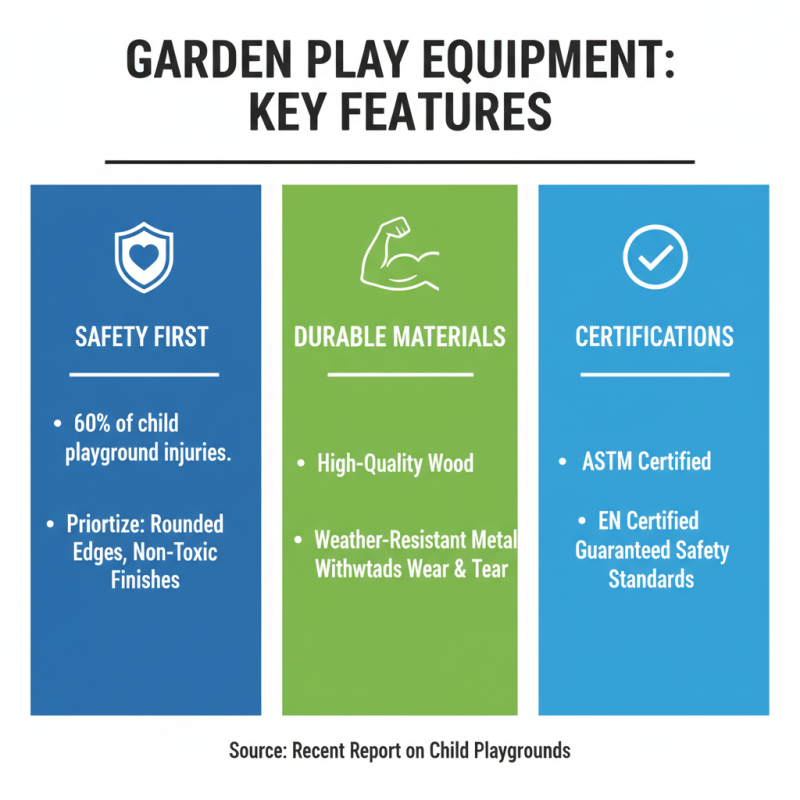
When choosing garden playing equipment, safety is crucial. A recent report indicates that 60% of injuries among children occur on playgrounds. Durable materials, rounded edges, and non-toxic finishes should be prioritized. Equipment made from high-quality wood or metal can withstand wear, ensuring long-lasting play. Look for ASTM or EN certifications to guarantee safety standards.
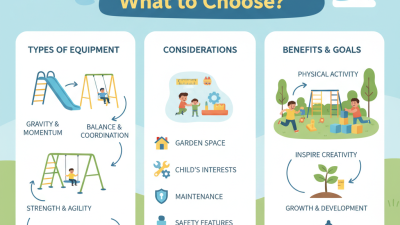
Consider age suitability as well. Different age groups require distinct features. For instance, toddlers enjoy sandboxes and small slides, while older kids prefer climbing frames. A survey showed that 70% of parents seek multifunctional equipment. This versatility keeps kids engaged. Additionally, check the required installation space. Some equipment may need more room than initially expected, which can lead to safety hazards if overlooked.
The aesthetic appeal cannot be ignored. Many families desire colorful, attractive setups that encourage outdoor activity. Bright colors can stimulate interest, helping children connect with nature. Make sure equipment blends well with the surrounding landscape. Accessibility is vital too. More families now seek inclusive options for children of all abilities. Engaging in outdoor play should be an opportunity for every child.
Top Outdoor Play Equipment Brands of 2026: A Comprehensive Review
As we look towards 2026, outdoor play equipment continues to evolve. Popular trends indicate a surge in multifunctional designs. Many families seek equipment that combines physical activity with imaginative play. This shift is reflected in recent survey data, which shows that 68% of parents prioritize versatility when choosing outdoor toys.
Durability remains a key factor for parents. According to industry reports, 75% of outdoor equipment purchased in 2023 was made from recycled or sustainable materials. This trend is likely to grow as eco-conscious consumers demand better options. Additionally, the safety features of outdoor play equipment are under scrutiny. Data suggests that equipment with enhanced safety certifications reduces the rate of injury by nearly 40%.
While many brands offer innovative solutions, a common pitfall exists. Some models prioritize aesthetics over functional design. Parents and guardians often report dissatisfaction with equipment that does not withstand weather changes. It's crucial to consider both form and function when making a purchase. Finding the balance is challenging and requires careful evaluation of product specifications and user reviews.
Top Garden Playing Equipment for 2026 What to Choose?
| Equipment Type |
Recommended Age Group |
Material |
Safety Features |
Average Price |
| Swing Set |
3-10 years |
Wood/Metal |
Soft Landing Zone |
$250 |
| Climbing Frame |
5-12 years |
Metal |
Non-Slip Rungs |
$300 |
| Playhouse |
2-8 years |
Plastic/Wood |
Rounded Edges |
$400 |
| Trampoline |
6-15 years |
Steel/Fabric |
Safety Net |
$250 |
| Sandbox |
1-6 years |
Wood/Plastic |
Covered When Not in Use |
$150 |
| Slide |
2-10 years |
Plastic/Metal |
Sturdy Base |
$200 |
Safety Standards and Guidelines for Garden Play Equipment Selection
When selecting garden play equipment, safety must be a top priority. According to reports from the Consumer Product Safety Commission, over 200,000 children visit ERs due to play equipment injuries each year. This statistic highlights the critical need for compliant, safe equipment that meets established guidelines.
The American Society for Testing and Materials (ASTM) provides specific safety standards for playground equipment. Items should be made from durable materials to withstand various weather conditions. The equipment must be designed to minimize fall hazards. For example, swings should have a minimum clearance of 12 feet to prevent accidents. Failure to adhere to these recommendations can significantly increase injury risks for children.
Incorporating safety surfacing, like wood chips or rubber mats, can also reduce injury likelihood during falls. Some research suggests that using adequate surfacing materials can decrease the severity of injuries by up to 50%. Always ensure that equipment is regularly inspected for wear and tear. Ignoring maintenance can lead to dangerous situations. Choosing the right equipment with safety in mind is an ongoing challenge, but one that cannot be overlooked.
Eco-Friendly Garden Play Options: Sustainability in 2026
As we look ahead to 2026, eco-friendly garden play options are becoming increasingly popular. Sustainability is no longer just a trend; it's a necessity. Parents want their children to enjoy outdoor activities while respecting the environment. Natural materials like wood and bamboo are excellent choices for playground equipment. They blend seamlessly with the garden, creating a harmonious play area.
Tip: When choosing eco-friendly play structures, look for certified wood. This ensures that it comes from sustainable sources.
Additionally, incorporating plants into play spaces can enhance the experience. Consider a small sensory garden filled with herbs and flowers. Kids can learn about nature while playing, fostering a deeper connection to their environment. This approach requires more planning and care.
Tip: Use local plants that thrive in your climate. They require less water and maintenance.
Creating tranquil spots for reflection can also be beneficial. Maybe a shaded nook with benches or a small water feature. These elements promote calmness and can turn chaotic play into moments of peace. Creating a perfect balance between play and tranquility can be a challenge.


 CONTACT NUMBER
 CONTACT NUMBER
 CONTACT NUMBER