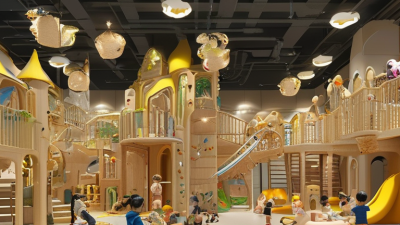
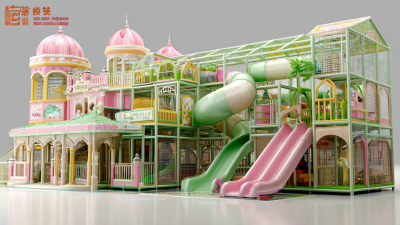
Top 10 Types of Indoor Mall Playgrounds for Global Buyers?
Choosing the right Indoor Mall Playground is more complex than selecting colorful equipment. Global buyers must evaluate visitor age, available floor space, ceiling height, safety systems, maintenance needs, and local operating requirements. A bright design may attract families, but poor visibility can create daily supervision problems. That detail is easy to overlook.
Dr. Joe Frost, a respected playground researcher and author, once said, “Play is the work of children.” His observation remains highly relevant to modern mall entertainment. Children need movement, imagination, challenge, and safe social interaction. Parents need clean surfaces, clear sightlines, comfortable seating, and reliable staff procedures. Mall owners also need strong capacity planning and realistic return expectations.
This guide examines ten practical Indoor Mall Playground types for international buyers. The range includes soft-play structures, trampoline zones, toddler areas, role-play villages, climbing walls, ninja courses, interactive digital rooms, educational STEM spaces, adventure parks, and inclusive sensory playgrounds. Each format serves a different commercial and developmental purpose. Some require large footprints. Others fit compact retail units.
The best choice is not always the most expensive one. It should match the mall’s audience, climate, budget, and operating team. Buyers should confirm material quality, fall protection, cleaning access, emergency exits, inspection routines, and replacement-part availability. Local standards may differ, so professional verification remains essential.
There is no perfect model. A design that succeeds in one country may underperform elsewhere. Careful testing, honest cost analysis, and feedback from families can prevent expensive mistakes. The following categories provide a practical starting point for more confident purchasing decisions.
What Defines an Indoor Mall Playground?
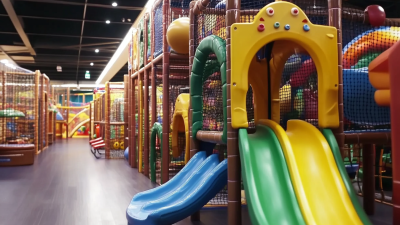
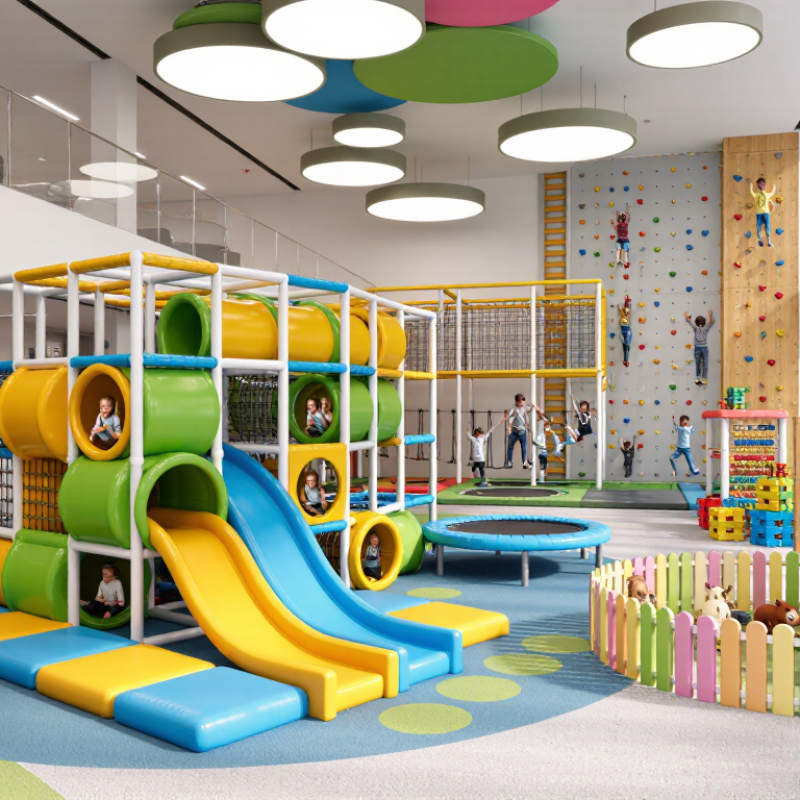
An indoor mall playground is a supervised recreational space built inside a shopping center. It combines physical play, social interaction, and family convenience. Its definition depends on more than colorful equipment. A strong design considers children’s ages, movement patterns, visibility, hygiene, and emergency access. Soft-play zones may include climbing frames, slides, tunnels, ball pools, or role-play areas. Other types may use trampolines, interactive walls, or toddler-focused sensory equipment. Each type should have a clear purpose and suitable safety controls.
For global buyers, the structure must match the building, climate, customer profile, and operating plan. Equipment needs impact-resistant materials, stable anchoring, rounded edges, and easy-clean surfaces. Designers should separate active zones from quiet toddler areas. Staff sightlines matter, especially around blind corners and entry gates. Local building, fire, accessibility, and playground standards must guide the final specification. In practice, no layout is perfect. A visually exciting design may still create noise, congestion, or difficult supervision.
Tips: Request technical drawings, material details, maintenance guidance, and test documentation before purchasing. Walk through the layout at a child’s eye level. Check whether adults can reach every play zone quickly. Ask how damaged padding, dirty panels, and high-use slides will be inspected. Small operational details often decide whether a playground remains safe and attractive after opening.
Top 10 Types of Indoor Mall Playgrounds for Global Buyers
What Defines an Indoor Mall Playground?
The chart compares common indoor mall playground formats by their typical upper operating age.
Indoor mall playgrounds are generally defined by enclosed operation, controlled safety access, modular equipment,
age-specific play zones, and strong visibility for parents. Actual age limits should be confirmed according to
local safety standards, equipment specifications, and operator policies.
Soft Play Zones for Toddlers and Preschoolers
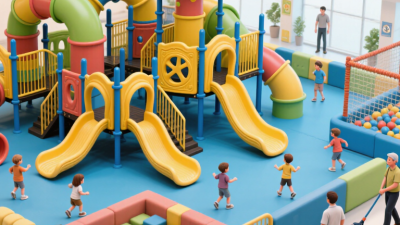
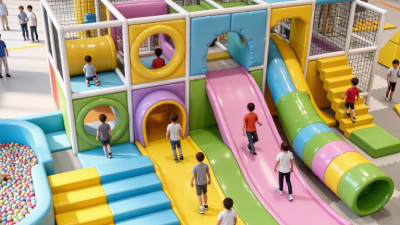
Soft play zones for toddlers and preschoolers need more than bright colors and compact equipment. Global buyers should look for layouts that match children’s height, balance, and limited risk awareness. A toddler area may include low crawl tunnels, wide steps, foam ramps, sensory panels, and a small ball pool. Keep sightlines open so caregivers can see each corner. Soft flooring should cushion falls, while sealed surfaces support daily cleaning.
Preschoolers need greater movement variety. Add short climbing walls, gentle slides, balance bridges, and role-play spaces with rounded edges. Separate active equipment from quiet play areas. This reduces collisions and helps children regulate their energy. Avoid narrow exits and hidden gaps. They often become difficult to supervise.
Reliable sourcing requires more than reviewing product images. Ask for material specifications, load ratings, installation drawings, cleaning guidance, and inspection records. Check whether the design can meet local safety requirements and accessibility expectations. Experienced operators should also review ventilation, drainage, emergency access, and replacement parts. These details affect long-term operating costs.
No layout works perfectly everywhere. Children may ignore the intended route or gather around one popular feature. That is useful evidence, not failure. After installation, observe traffic patterns and adjust supervision or equipment placement. A practical design leaves room for this correction.
Role-Play, Educational, and Themed Play Areas
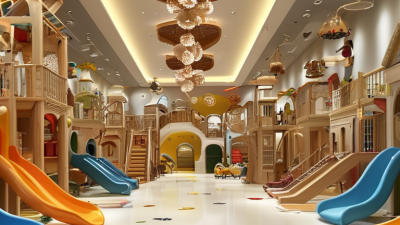
Indoor mall playgrounds now combine imaginative play with practical learning. Role-play areas can resemble a mini clinic, market, kitchen, or travel station. Children practice communication while handling safe, child-sized props. Clear sightlines help caregivers observe movement from nearby seating. Durable flooring also reduces noise and supports safer daily operation.
Educational play zones add puzzles, building panels, counting boards, and simple science stations. These features should match different ages and abilities. Adjustable activities can keep a five-year-old engaged without frustrating an older child. Themed areas create stronger visual appeal, from forests and oceans to space exploration. However, decoration should not replace play value. A beautiful wall means little if children cannot touch, move, or solve anything.
Global buyers
should examine material certificates, cleaning routines, ventilation, and local safety requirements before placing an order. Ask how frequently high-contact surfaces need inspection. Check whether replacement panels and spare parts are available. Small design details matter. Rounded corners, soft edges, and non-slip surfaces support safer movement. In my experience, the busiest areas often need more open circulation than expected. A perfect layout rarely exists. Some themes also age quickly, especially when colors or story elements feel too narrow. Testing a sample zone with children, caregivers, and staff can reveal problems that drawings miss. That feedback may require changes, but it usually improves long-term value.
Conclusion
An Indoor Mall Playground is a purpose-designed entertainment space that transforms unused commercial areas into safe, engaging destinations for children and families. This article introduces ten popular playground types, beginning with soft play zones for toddlers and preschoolers, which use padded structures, sensory features, and age-appropriate activities. Adventure climbing playgrounds add slides, tunnels, bridges, and multi-level challenges, while trampoline parks, ninja courses, and active movement areas encourage exercise, coordination, and confidence. Other options include role-play spaces, educational activity centers, and themed environments that support imagination, social interaction, and learning through play.
For global buyers, selecting the right Indoor Mall Playground requires careful attention to safety standards, material quality, layout efficiency, accessibility, maintenance, and supervision. Customization is also important, allowing the design to match available space, customer age groups, local preferences, and commercial goals. A successful project balances entertainment value with durability, clear zoning, reliable installation, and long-term operational practicality.


 CONTACT NUMBER
 CONTACT NUMBER
 CONTACT NUMBER