Top Outdoor Play Structures for 2026 What to Choose?
In the ever-evolving world of children's play, "Outdoor Play Structures" have become essential for development. Experts like Dr. Emma Hart, a renowned child development specialist, emphasize, "Play is crucial for childhood growth." As we head into 2026, parents must choose wisely from a variety of options available.
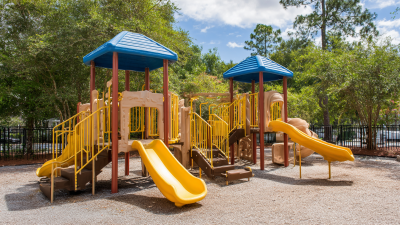
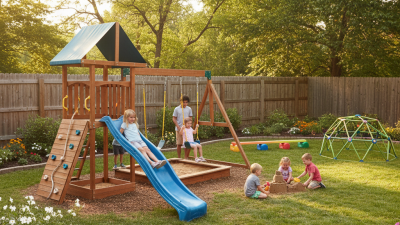
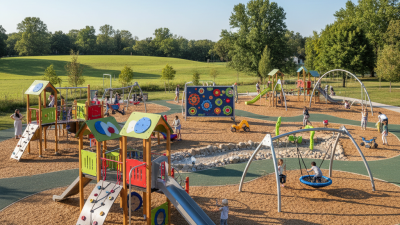
Outdoor Play Structures now come in numerous styles and designs, catering to diverse needs. Think of climbing frames, slides, and swings that promote physical activity. Each plays an important role in enhancing kids' motor skills. Yet, selecting the ideal structure can be daunting. Some may be overly expensive or too large for limited spaces.
Overall, finding the right Outdoor Play Structures requires thought. Focus on safety, durability, and age-appropriateness. It's about creating an enriching environment for children. Striking a balance between affordability and quality can be a challenge, but it’s worth it for the joy and growth they bring.
Top Trends in Outdoor Play Structures for 2026
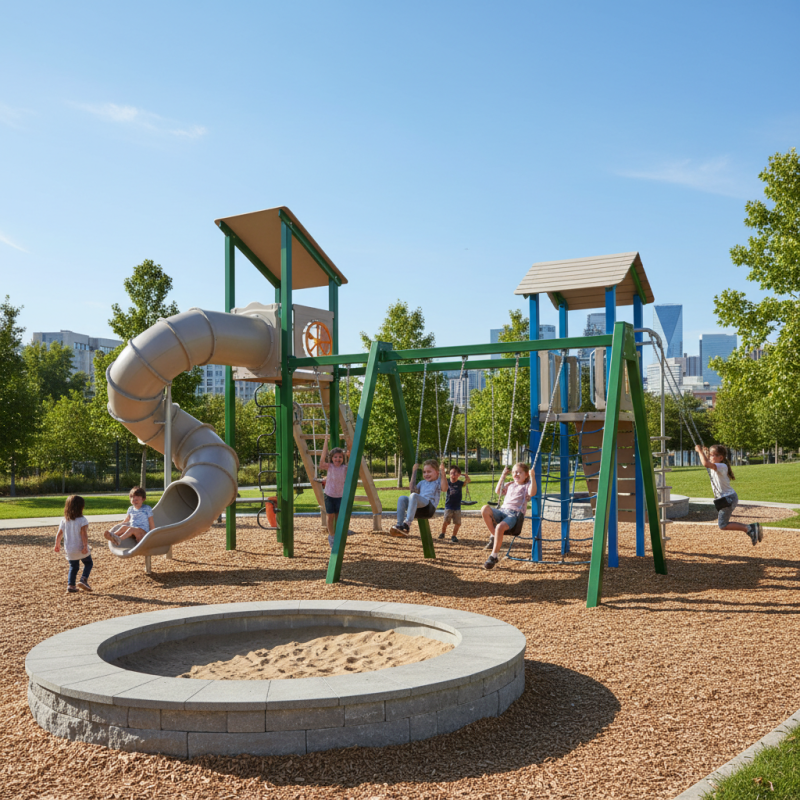
Outdoor play structures are evolving rapidly. In 2026, we see an increasing focus on eco-friendly materials. Parents are looking for safe and sustainable options. Structures made from recycled plastic or responsibly sourced wood are gaining popularity. These materials are durable and help the environment.
Another trend is the integration of technology. Play structures now include interactive elements. Features like sound sensors and LED lighting can enhance the play experience. Children enjoy engaging with these modern additions. However, this reliance on technology may overshadow traditional play methods. Balancing high-tech features with classic designs is crucial.
Lastly, customizability is becoming key. Families want unique structures tailored to their children's needs. Modular designs allow for personalization, fostering creativity. Yet, this can lead to an overwhelming amount of choices for parents. The challenge lies in finding the right fit for each child. Recognizing what truly benefits their development is essential.
Types of Materials Used in Modern Play Structures
When considering modern play structures, the materials used are crucial. Steel, wood, and plastic dominate the market. According to a recent industry report, 45% of outdoor play structures utilize metal materials for their durability. Steel offers high resistance to wear, making it a top choice for heavy use. However, it does come with a higher upfront cost.
Wood is another popular option. About 35% of structures incorporate wood, thanks to its natural aesthetic. It blends seamlessly into outdoor landscapes, creating a warm, inviting atmosphere. However, wood requires regular maintenance to prevent rot and splintering. It’s essential for parents to consider these upkeep needs.
Plastic play structures are also on the rise. They make up around 20% of the market. Lightweight and versatile, they are often colorful and appealing to young children. However, they can be less stable under extreme weather conditions.
**Tip:** When selecting materials, think about your local climate. Consider the safety and maintenance of each option.
**Tip:** Look for certifications in materials to ensure safety standards are met. Don’t overlook how each material affects the play experience.
Choosing the right material is essential for creating a safe and enjoyable environment for children. A well-informed decision can make all the difference in playtime for years to come.
Top Outdoor Play Structures for 2026 What to Choose? - Types of Materials Used in Modern Play Structures
| Play Structure Type |
Material Used |
Durability (Years) |
Maintenance Frequency |
Safety Rating |
| Wooden Playset |
Pressure Treated Lumber |
10-15 |
Annual |
ASTM Certified |
| Metal Slide |
Galvanized Steel |
20+ |
Biannual |
ASTM Certified |
| Plastic Climber |
High-Density Polyethylene |
10-15 |
Every 6 Months |
CPSC Certified |
| Composite Structure |
Recycled Plastic and Wood |
15-20 |
Annual |
ASTM Certified |
| Fabric Canopy |
UV-Resistant Polyester |
5-10 |
Biannual |
N/A |
Safety Standards and Regulations for Outdoor Play Equipment
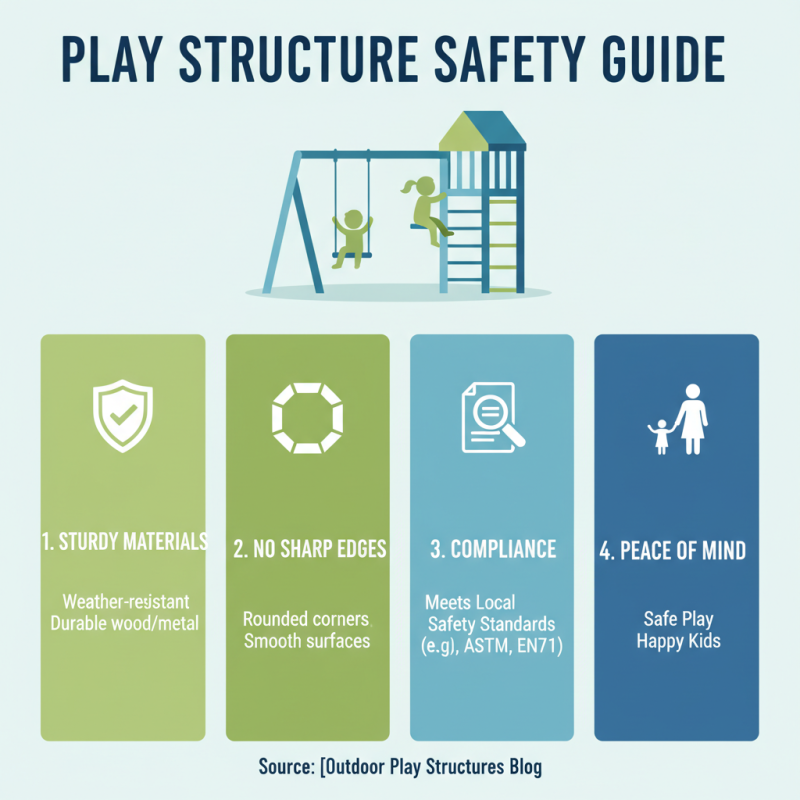
When choosing outdoor play structures, safety must come first. Understanding safety standards is vital. Equipment should meet local and international regulations. Look for certifications that indicate compliance. These standards evaluate materials and design. Test results ensure safety in various conditions.
Tip: Always check for sharp edges or small parts. Inspect equipment regularly for wear and damage. Parents should encourage children to use equipment correctly. Supervision is essential to prevent accidents.
Some designs may seem fun but lack adequate safety features. High slides can lead to falls without proper barriers. Consider age-appropriate structures to minimize risks. Making informed choices can promote safe outdoor play for children. Always prioritize well-being over aesthetics.
Innovative Features to Look for in 2026 Play Structures
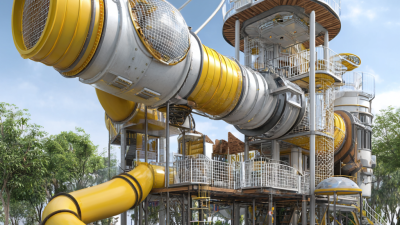
When choosing outdoor play structures for 2026, consider innovative features that enhance playtime. Look for structures that encourage physical activity and imaginative play. Features like climbing walls and balance beams promote agility and strength. Slide designs are evolving too, with twisting and turning variations adding excitement.
Safety is a key aspect. Many play structures now include soft landing areas or integrated safety rails. This thoughtful design helps prevent injuries during adventurous play. Interactive elements, like sound panels and sensory paths, also engage children in different ways.
Flexibility is another important consideration for 2026. Modular designs allow families to customize their play environment. Parents can add new elements as children grow, keeping play fresh and engaging. While these innovations are positive, some structures can be overwhelming. Striking a balance between excitement and simplicity is crucial. Play should always feel accessible.
Top Outdoor Play Structures for 2026
This chart displays the popularity of different outdoor play structures based on innovative features anticipated for 2026. The data reflects expected consumer interest levels in various play structures designed for outdoor use.


 CONTACT NUMBER
 CONTACT NUMBER
 CONTACT NUMBER