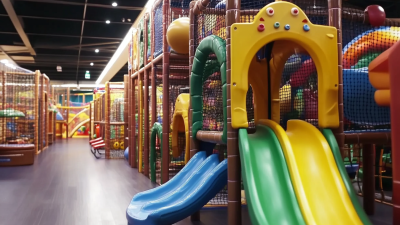
Choosing a Childrens Indoor Slide is not just about finding the brightest colors or tallest design. The right type should fit the child’s age, available space, and play habits. A compact plastic slide can suit a bedroom or playroom, while a slide with a climbing frame may need a larger, clear area. That detail matters.
Common options include standalone slides, foldable models, climber-and-slide sets, and soft play slides for younger children. Each offers a different balance of movement, storage, and stability. A foldable model can be convenient when floor space is limited, though its hinges and locking parts deserve careful checks. A combined play set may encourage climbing and imaginative play, but it also takes up more room. Small rooms change everything.
The sections ahead compare these types and explain what families can look for before choosing one. Check the maker’s age and weight guidance, the slide’s base, and whether its surface stays steady during use. Leave clear space around the landing area, and follow the product instructions for setup and supervision. Features vary between products, so a general description cannot replace checking the specific model. And no slide is perfect. A design that looks exciting online may feel bulky at home, or may not suit a child’s confidence yet. Matching the slide to the child and the room is a more useful starting point than choosing by appearance alone.
Standalone slides suit compact indoor spaces because they need less room than multi-part playsets. A low, single-lane slide can fit beside a play mat or in a cleared corner, while still giving children a simple climbing-and-sliding activity. Measure the full footprint, including the ladder and landing area. Leave clear space around both ends. Measure twice.
Safety deserves more attention than appearance. The U.S. Consumer Product Safety Commission’s Public Playground Safety Handbook identifies falls as a leading playground hazard. The CDC has also reported roughly 200,000 annual emergency-department visits for playground-related injuries among children.
These figures cover playground injuries broadly, not indoor slides alone. Still, they support choosing a stable base, handholds, and a smooth, unobstructed landing zone.
Check the slide’s height against the child’s age and climbing ability, and place it on a level surface with suitable cushioning. Keep it away from windows, heaters, sharp furniture edges, and doorways. A slide that looks compact can still need more landing space than expected. That detail is easy to miss. Inspect joints and fasteners regularly, since indoor use does not prevent wear. One drawback is worth admitting: a standalone slide offers less variety than a larger play structure, and children may outgrow it quickly.
Climber-and-slide playsets combine a short climbing route with a slide, giving children more ways to move than a standalone slide. A child might step up a small ladder, pause on a platform, then slide down onto a padded play mat. The sequence encourages climbing, balancing, and repeated movement. Small details matter.
For indoor use, check the full footprint, including the space needed at the slide’s exit. Measure ceiling height and nearby furniture before choosing a set. A narrow room can make even a compact playset feel crowded. Follow the maker’s age, weight, and assembly guidance, and place the structure on a stable, level surface. Keep the landing area clear; a loose toy can become a trip hazard. An adult should stay close, especially while a child is learning the steps.
Look for handholds that are easy for small hands to grip, broad steps, and a slide with raised sides. Inspect joints and fasteners regularly, since frequent climbing can loosen parts over time. I’d also watch how a child actually uses the set: children may climb the slide itself, even when that is not intended. That behavior needs calm, consistent redirection. And honestly, no indoor playset keeps every child engaged for long; a simple turn-taking routine can help on busy afternoons.
A simple comparison of common slide configurations by the number of distinct play activities in each archetype.
How to read this chart: Activity counts describe the representative configurations shown—sliding, climbing, and an additional play feature. Actual features vary by product, so check each product’s specifications and age guidance.
Slides integrated into indoor playhouses combine a small climbing route, a raised platform, and a quick exit. The slide becomes part of the play structure, rather than a separate toy. Children can crawl through a fabric tunnel, step onto a low deck, then slide onto a padded floor. That sequence invites repeat play. It also creates a few tight corners that caregivers should check for clear sightlines.
Safety details matter. The U.S. Consumer Product Safety Commission reports roughly 200,000 playground-equipment injury visits to U.S. emergency departments annually. That figure covers playground equipment broadly, not indoor playhouses specifically. Its Public Playground Safety Handbook highlights falls as a major injury concern. ASTM F1918, the standard for soft-contained play equipment, is another useful design reference, though a product’s construction and intended use determine which guidance applies. Check that the slide landing area stays clear, the platform feels stable, and openings do not trap a child’s head or limbs. Small details count.
Fit the structure to the room and the child’s abilities. A short, gently sloped slide can suit younger children, while older children may want a taller deck and more varied climbing features. Still, more features are not always better. A crowded playhouse can make supervision harder, even when it looks exciting in a catalog. Check assembly instructions, age guidance, and the floor surface. Then watch how children actually move through it. A neat layout on paper may feel cramped in a real room.

Soft-play slides are a gentle indoor option for toddlers who are still learning to climb and balance. They usually have a low platform, broad steps, and a padded sliding surface. The soft covering can cushion small bumps, but it does not remove the risk of falls.
Low is better. Choose a slide sized for the child’s age and ability, and check its height and weight limits before use.
Look for firm steps, stable handholds, and padding that stays in place during play. Set the slide on a flat, uncluttered floor, away from furniture and hard edges. Check seams and fasteners regularly; a loose cover or shifting base can change how safely a child climbs.
Keep the slide dry and use it as directed. No slippery socks. An adult should stay close enough to help, especially when a toddler is learning to climb down. One child at a time is a sensible rule unless the instructions say otherwise.
Soft play feels forgiving, but supervision still matters. It is easy to assume padding solves everything; it doesn’t.
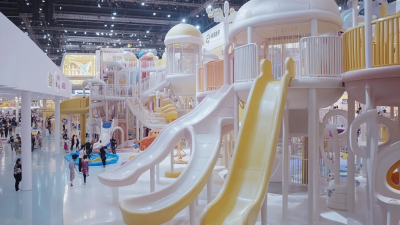
Modular slides suit indoor playgrounds where layouts may need to change. Sections can connect to platforms, tunnels, or climbing structures, helping designers fit play equipment into awkward corners. That flexibility is useful, but every connection needs careful inspection.
A compact straight slide can work beside a low platform, while a gentle curved slide adds movement without requiring a long runout. For younger children, keep the platform low and the path easy to see. Small details count. Check that slide exits lead to clear landing space, not a busy walkway.
The U.S. Consumer Product Safety Commission’s 2010 Public Playground Safety Handbook reports that falls account for about 75% of playground injuries. The figure covers playgrounds generally, not indoor modular slides alone, but it makes safe surfacing and fall height important design considerations. ASTM F1918-21 provides a safety performance standard for soft contained play equipment. Planners can use it alongside age-based design choices and regular checks of fasteners, seams, and worn surfaces. A modular setup is not automatically safer or easier to maintain; that depends on installation and upkeep.