
Leave Your Message
-
 CONTACT NUMBER
-

-
 CONTACT NUMBER
-
 CONTACT NUMBER

Curated specifically to meet space-efficiency, multi-generational engagement, and minimalist commercial store interior design in Tokyo, Osaka, and nationwide.
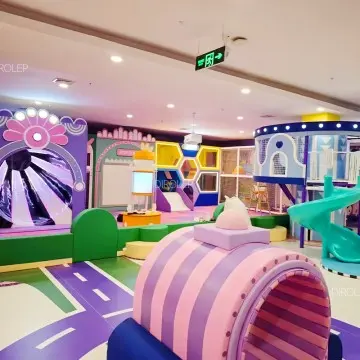
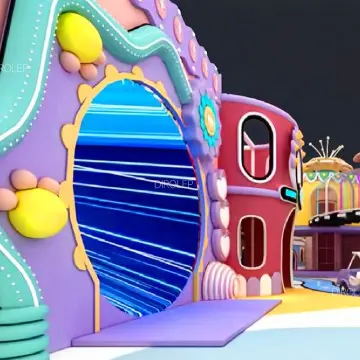
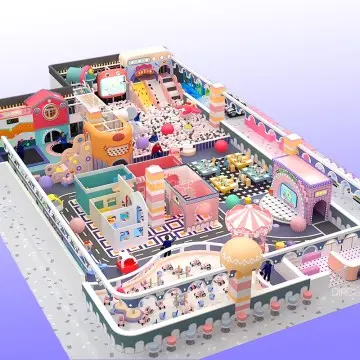
How demographic shifts, extreme climatic patterns, and retail modernization are driving a multi-billion-yen transformation in Japanese indoor entertainment destinations.
Japan's stringent building codes demand playground structures engineered with anti-seismic anchoring, high-tensile galvanized steel, and shock-absorbent cushioning.
Despite low fertility rates (shōshika), investment per child is higher than ever, funded by parents and double grandparents seeking high-end edutainment venues.
Record-breaking summer heatwaves (moshōbi), seasonal typhoons, and snowy northern winters make climate-controlled indoor spaces essential community infrastructure.
Japanese commercial venues favor muted, low-saturation Morandi color palettes, non-toxic wood materials, and calm architectural harmony over garish plastics.
Over the past decade, the Japanese retail landscape has experienced an unmistakable paradigm shift. Renowned shopping center developers such as Aeon Mall, Mitsui Fudosan (LaLaport), Hankyu, and Tokyu have steadily moved away from purely retail-focused leasing models toward experience-driven lifestyle ecosystems. In an era where e-commerce dominates routine commodity transactions, brick-and-mortar operators in prefectures like Tokyo, Kanagawa, Osaka, Aichi, and Fukuoka utilize comprehensive children's entertainment facilities as critical foot-traffic generators and community anchors.
Commercial square footage within modern Japanese shopping centers must deliver an exceptionally high return on spatial investment. Because land and lease costs across metropolitan Japan are among the most premium globally, floor plans cannot afford dead space or poorly utilized footprints. Modular, vertically optimized soft-play labyrinths, ninja obstacle courses, high-altitude rope challenges, and customized multi-tier spiral slides permit operators to fully monetize high ceiling clearances, generating thrilling experiences within modest square meterages.
While Japan faces demographic headwinds associated with declining birthrates (shōshika), commercial investment per child has concurrently skyrocketed. This macroeconomic phenomenon—frequently termed the "six-pocket" trend, referring to spending power from parents, maternal grandparents, and paternal grandparents—has altered consumer expectations. Japanese families demand spotless hygiene, developmental stimulation, physical safety, and serene visual environments rather than low-cost, disposable play yards. Premium soft play facilities engineered with natural wood elements, certified non-toxic coatings, and sensory-rich interactive stations satisfy this exacting consumer demographic.
Entering and succeeding in Japan's commercial playground sector requires rigorous adherence to technical safety certifications that surpass ordinary global baselines. The Japan Park Facilities Association (JPFA) standards, coupled with Japanese Industrial Standards (JIS Q 10002 / JIS A 1701 series), establish stringent guidelines governing structural load-bearing parameters, entrapment hazard prevention, flammability thresholds, and environmental toxicology.
Dileni integrates anti-pinch protective netting, certified B1 flame-retardant high-density polyurethane (PU) foam, food-contact grade non-toxic polyethylene (LLDPE), and seismic-rated ground fixation systems. Every connector, fastening bolt, and structural node is engineered to absorb vibrational shocks common to earthquake-prone zones, offering Japanese facility operators and building inspectors absolute peace of mind during official safety clearances.
Combining 20+ years of playground manufacturing legacy with digital interactive arcade systems to power futuristic Japanese edutainment centers.
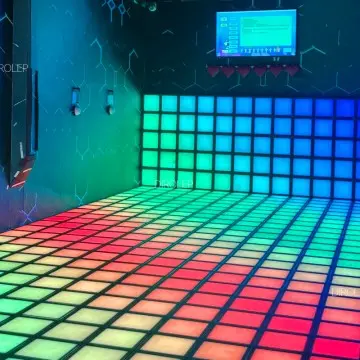
In the Japanese amusement market, where digital pioneers like Round1, Sega Joypolis, and Namco set international standards, merging physical obstacles with interactive electronic projection systems creates high-revenue "phygital" play spaces. Our LED reactive jump floors, interactive ball-wall projection games, and augmented reality climbing walls seamlessly link physical exertion with video gaming mechanics.
Engineered for high adaptability across retail malls, roadside stations, luxury hot spring resorts, and urban daycare environments.
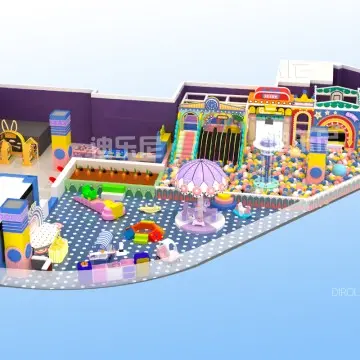
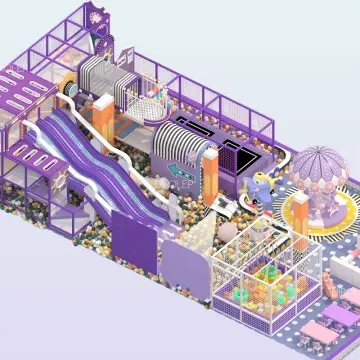
Custom large-scale anchor facilities for retail developers (Aeon, LaLaport, Ito-Yokado) featuring towering slides, ball pits, and cafe parent-lounge integrations.
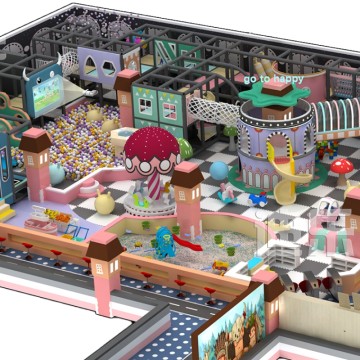
Space-saving compact multi-level labyrinths integrated into dense multi-story department stores in Shibuya, Shinjuku, and Umeda with quiet acoustics.
Year-round indoor recreation centers for hospitality destinations in Hokkaido, Nagano, and Hakone, entertaining families after skiing or bathing.
Rest-stop entertainment zones created under government-backed regional revitalization programs, offering parents safe play zones during highway transits.
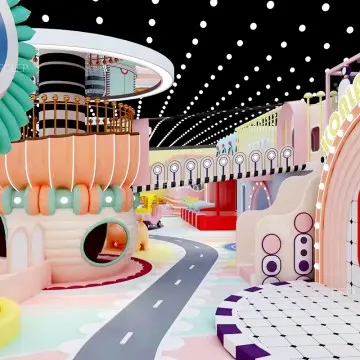
Commercial interiors throughout Japan place supreme value on visual tranquility, spatial order, and sensory balance. Traditional indoor amusement parks dominated by aggressive neon primaries often clash sharply with modern Japanese retail architecture. Recognizing this aesthetic priority, Dileni has led the industry in formulating low-saturation, refined Morandi color schemes. By harmonizing subdued muted tones—sage greens, soft dusty terracottas, warm oatmeals, and slate grays—our play complexes integrate effortlessly into upscale commercial environments, upscale daycare centers, and Japanese residential complexes.
Furthermore, our Morandi-themed wooden play structures incorporate tactile, natural grain surfaces that support sensory and cognitive motor development. Children experience a peaceful, non-overstimulating play sanctuary, while parents enjoy an aesthetically pleasing atmosphere conducive to longer visits and repeat memberships.
From custom 3D spatial simulation to door-to-door Japanese customs clearance and professional structural installation.
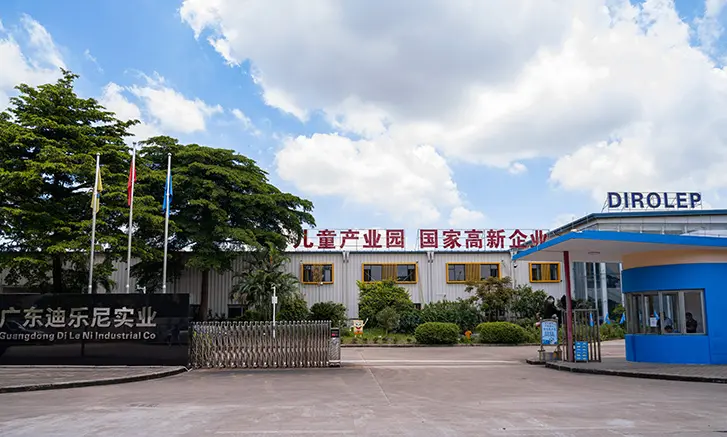
China Guangdong Dileni Industrial Company won the China Amusement Equipment Industry Outstanding Enterprise Certificate, China Amusement Industry National Key Recommended Brand Certificate, won the China Central Television CCTV Discover China Program on the list of brands, China High-tech Enterprise Certificate, China Key Integrity Enterprise Certificate and so on.
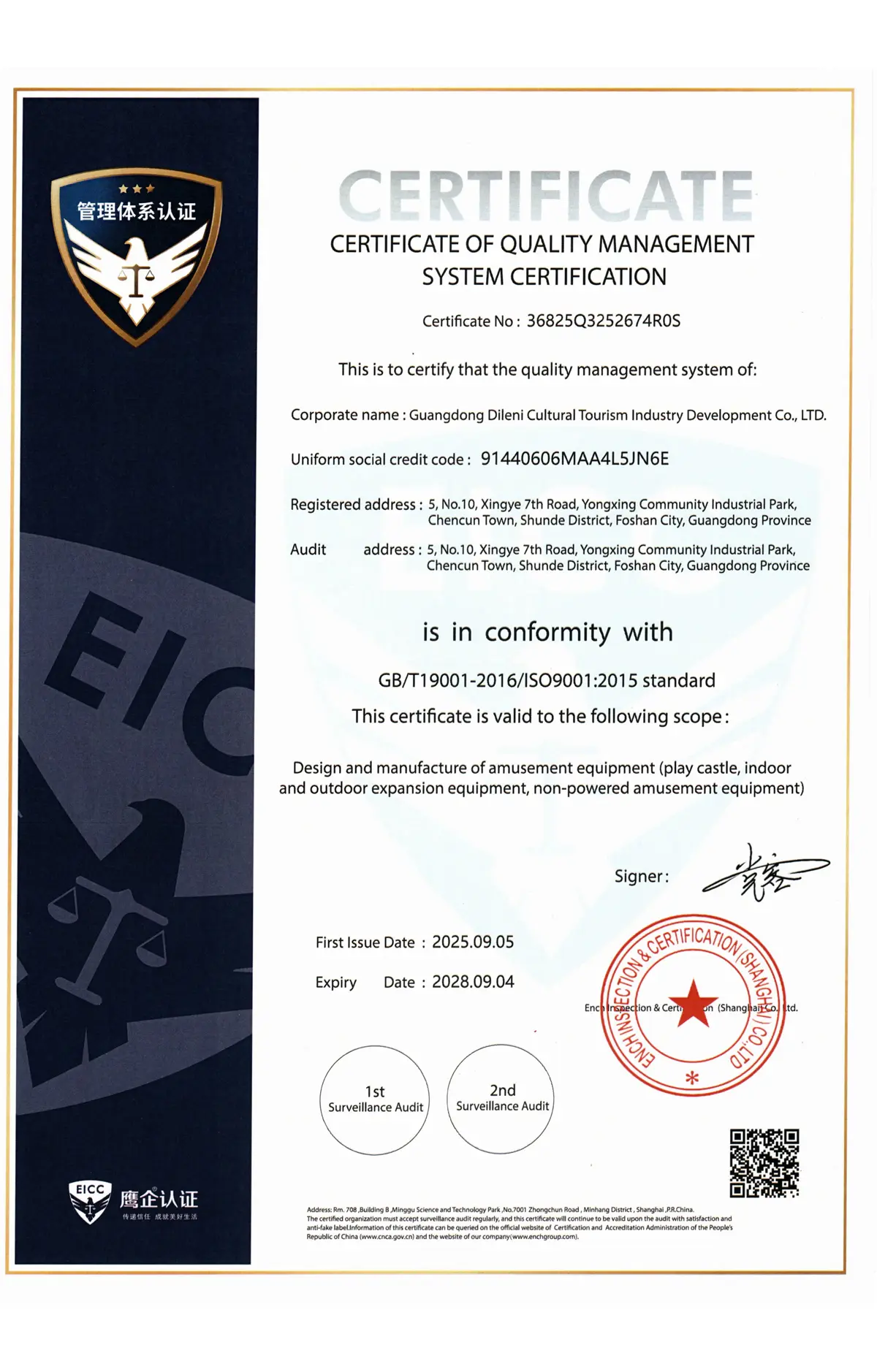
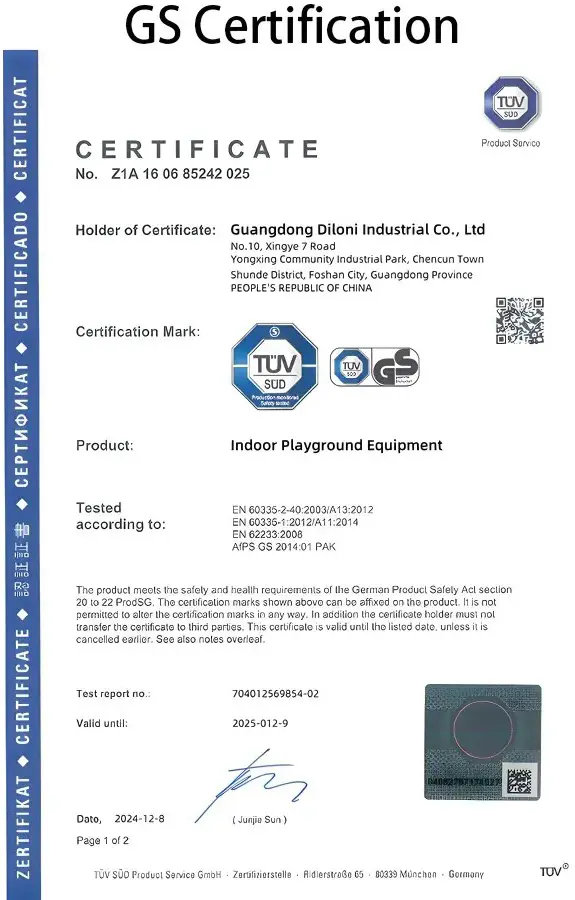



Fully compliant with international safety standards, fully customizable in dimensions, themes, and interactive game integrations.
Crucial guidelines for commercial operators, mall landlords, and amusement facility investors across Japan.
Dileni works directly with structural engineers well-versed in Japanese Building Standard Law (Kenchiku Kijun-hō). We utilize ASTM-F1487 / EN1176 / JIS compliant non-toxic, flame-retardant foams (certified Class B1 flammability resistance) and heavy-duty hot-dip galvanized steel frames. For seismic endurance, our modular frameworks feature reinforced baseplates, engineered anchor boltings, and structural cross-bracing to prevent dynamic deformation during seismic activity.
Yes. Commercial real estate in Japanese urban centers often features beam clearance limits between 2.8m and 3.5m. Our design engineering team provides millimetric 3D CAD and BIM customization. We adapt climbing passages, ball pit depths, tube crawl tunnels, and interactive soft-play elements to avoid ceiling ducts, HVAC infrastructure, and overhead sprinkler safety zones without sacrificing play value or patron safety.
Benefiting from our 18,000 square meter factory base in Guangdong, production cycles for mid-to-large indoor playgrounds typically require 20 to 30 days. Shipping from Shenzhen or Guangzhou ports to major Japanese container ports (Yokohama, Tokyo, Kobe, Osaka, and Hakata) takes an exceptionally swift 3 to 7 days. Dileni prepares complete documentation, including material safety data sheets (MSDS), certificates of origin, and comprehensive parts schematics for frictionless customs clearance.
Dileni offers two installation alternatives for Japanese buyers: (1) Full turnkey deployment where our experienced installation supervisors oversee local assembly teams, or (2) Detailed, labeled component mapping with step-by-step 3D video tutorials, structural schematics, and remote real-time video engineering support that allows your local Japanese contractors to complete the setup efficiently.