Leave Your Message
-
 CONTACT NUMBER
-

-
 CONTACT NUMBER
-
 CONTACT NUMBER

Navigating Japan's high-standard childcare environments and commercial entertainment sectors
Structural layouts engineered to harmonize with JIS A 1771 amusement guidelines, featuring self-stabilizing interlocking frame modules suitable for Japanese seismic criteria.
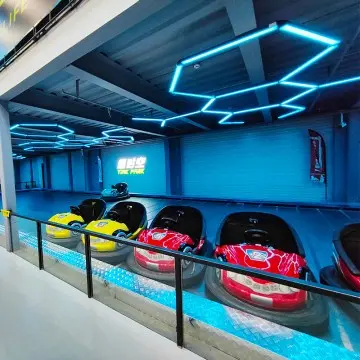
Integrating sensor-activated electronic gaming, dynamic digital wall projection, and educational interactive consoles to captivate tech-savvy Japanese younger generations.
Precision-stitched fire-retardant PVC tarpaulins, high-density odorless EVA foam, and heavy-metal-free rotational plastics verified through rigorous testing agencies.
The indoor playroom equipment industry in Japan is witnessing a significant structural evolution. Historically concentrated in small neighborhood nursery corners or rooftop department store playgrounds, commercial children's recreation has migrated into large-scale multi-functional lifestyle complexes, regional AEON and Mitsui LaLaport shopping destinations, and hybrid child-wellness hubs across Tokyo, Yokohama, Osaka, and Nagoya. Because climatic challenges—ranging from humid summer heat waves to intense snowy winters in Hokkaido and Tohoku—frequently limit outdoor park accessibility, modern parents and municipal bodies demand temperature-regulated, ultra-hygienic, safe indoor adventure facilities.
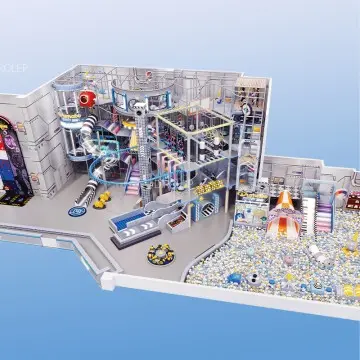
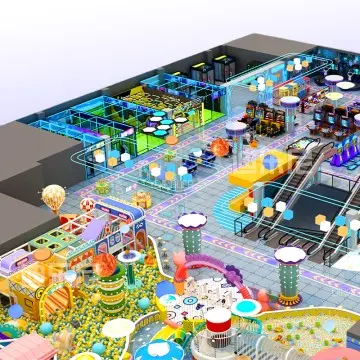
In response to Japan's distinct demographic climate, commercial soft play operators require high-density space efficiency. Japanese real estate commands premium per-tsubo rental investments, prompting suppliers and manufacturing facilities to formulate vertical multi-tier play labyrinths. These multi-story arrangements incorporate challenging cargo-net rope walks, high-speed enclosed spiral tube slides, zero-gravity foam drop zones, and responsive digital interactive ball-projection screens within compact building footprints.
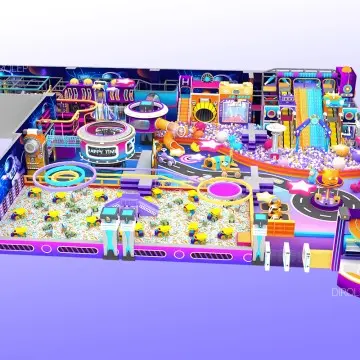
Japan has long stood at the frontier of entertainment automation and robotics. This technological affinity has sparked a profound transition from purely mechanical soft play to integrated hybrid digital play spaces. Facilities throughout Shibuya, Minato Mirai, and Umeda now seamlessly weave gamified digital scoring, motion-tracking wall projections, and sensory tactile consoles directly into traditional ball pits and climbing towers. Children do not merely dive into soft foam—they participate in collective cooperative challenges that train gross motor coordination, spatial cognition, and team interaction.
Delivering premier OEM/ODM turnkey production backed by twenty years of manufacturing leadership
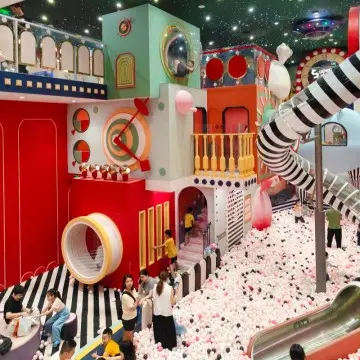
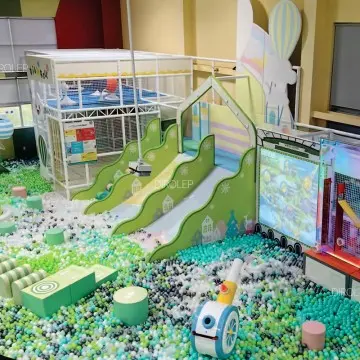
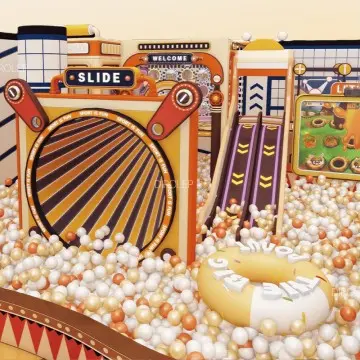
Indoor Children's Playgrounds: Our indoor children's playgrounds are vibrant, safe and designed to inspire creativity and physical activity. These playgrounds are perfect for malls, family entertainment centers, schools and other indoor locations. Each playground is a wonderland of colorful slides, climbing walls, ball pools and interactive game boards that encourage children to explore, learn and play. We use high quality, non-toxic materials to ensure the safety and health of every child. Our designs are customizable to fit any space and theme, making each indoor playground a unique and magical experience.
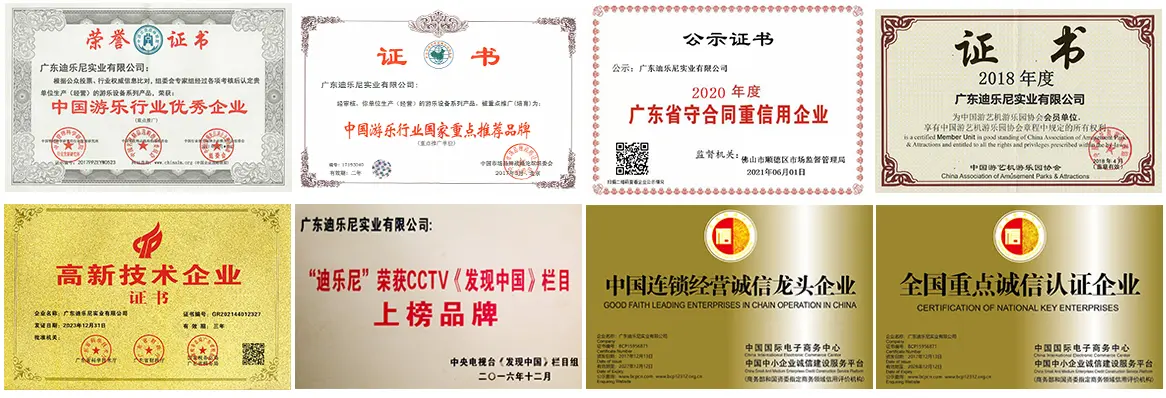
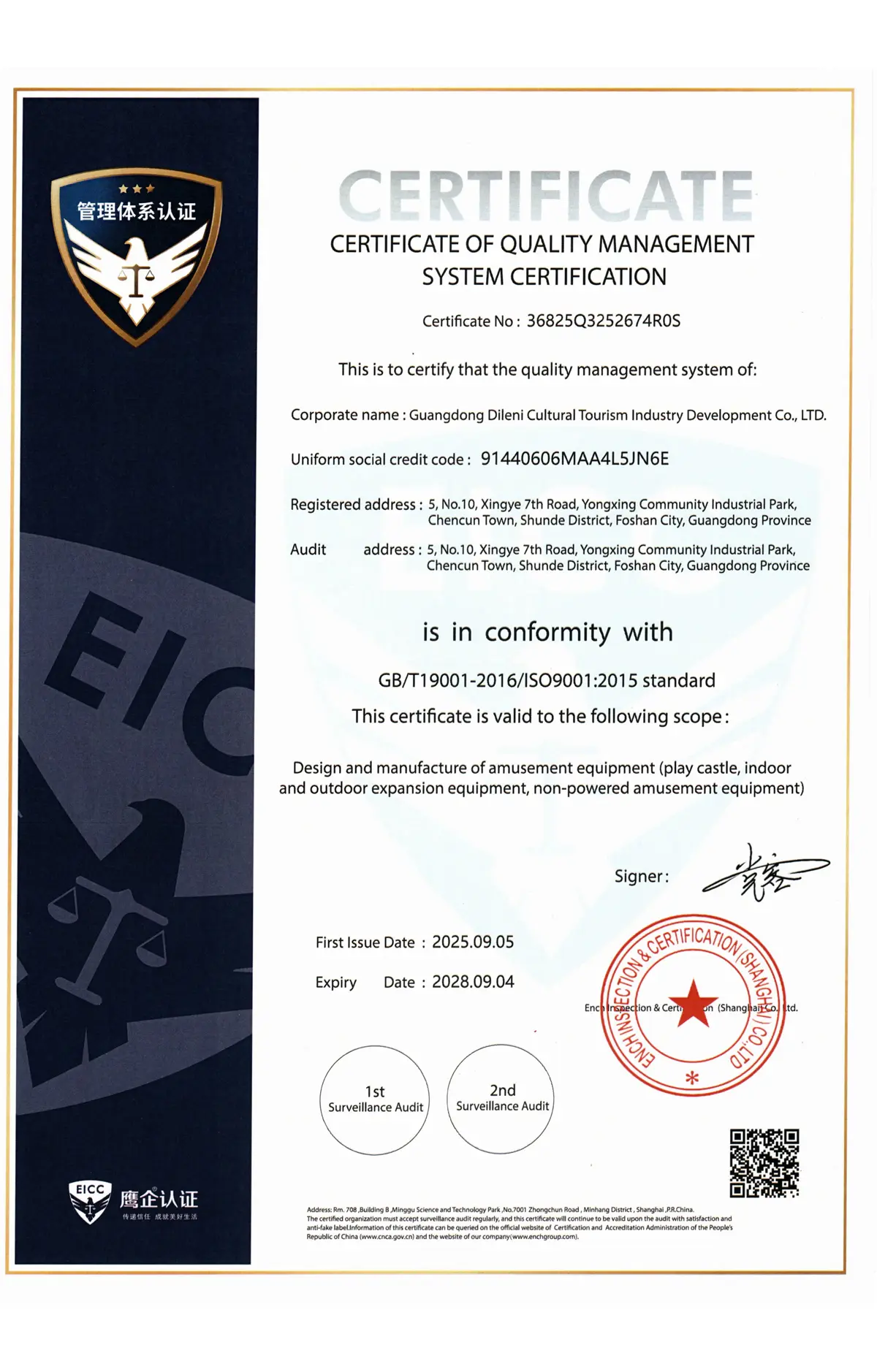
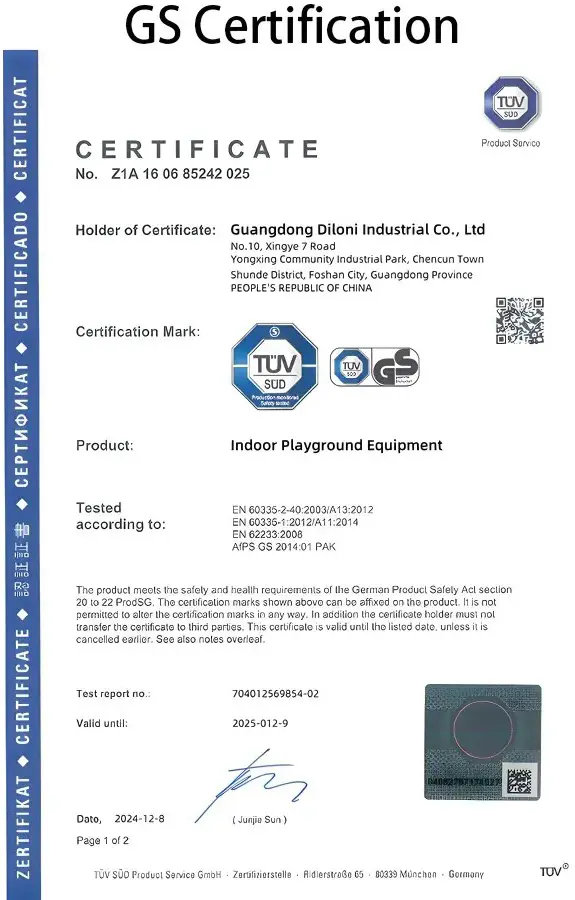


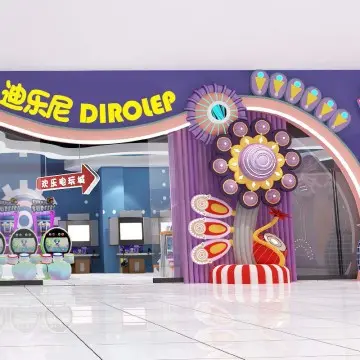
China Guangdong Dileni Industrial Company won the China Amusement Equipment Industry Outstanding Enterprise Certificate, China Amusement Industry National Key Recommended Brand Certificate, won the China Central Television CCTV Discover China Program on the list of brands, China High-tech Enterprise Certificate, China Key Integrity Enterprise Certificate and so on.
Customized modular engineering tailored for specialized commercial scenarios and regulatory environments
Major department stores and sprawling multi-building commercial destinations rely on destination soft play parks to attract high-spending family demographics. Installations within facilities like AEON Mall Makuhari Shintoshin or Grand Tree Musashikosugi prioritize soft pastel color schemes, such as Morandi and Macaron tones, harmonizing with high-end Japanese retail aesthetics. Play spaces incorporate wide visual sightlines, allowing parents seated in adjacent lounges or cafes unobstructed vision across the entire multi-level play course.
In dense Kansai urban environments where outdoor garden space is constrained, licensed daycare centers and integrated kindergarten-nursery schools (Nintei Kodomo-en) frequently invest in compact, custom-fabricated soft play modules. These systems concentrate on sensory development, safe low-height climbing, tactile soft obstacles, and anti-pinch netting joints. Strict compliance with low-VOC coatings and antibacterial outer materials guarantees compliance with Japanese preschool hygiene codes.
Hospitality facilities, hot spring resorts (Ryokan), and major regional airports utilize modular play equipment to accommodate multigenerational travelers. Designed with rapid maintenance access and highly durable surface skinning, these installations withstand intense peak foot traffic while providing restorative environments for traveling toddlers and school-age children alike.
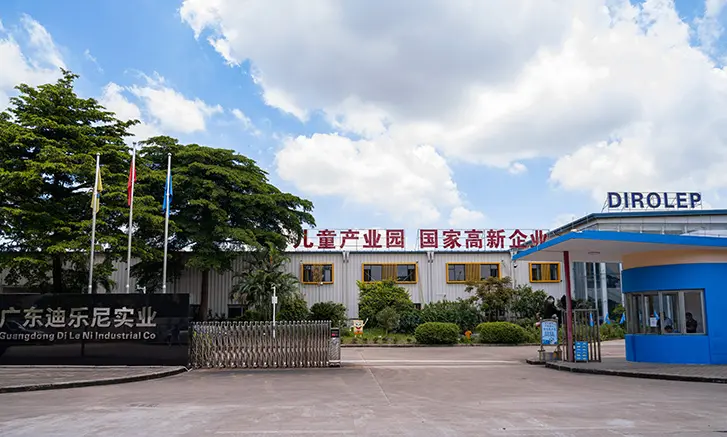
While local Japanese equipment trading agencies provide field installation and liaison services, the core structural engineering and heavy manufacturing are powered by large-scale specialized production bases like Dileni in Guangdong. Covering over 18,000 square meters, our factory combines laser-cutting steel machinery, automated rotational molding, and standardized flame-retardant foam welding. This direct factory-to-site pipeline cuts project lead times by up to 45%, offering Japanese project investors unrivaled cost efficiency without compromising on strict structural safety and finishing standards.