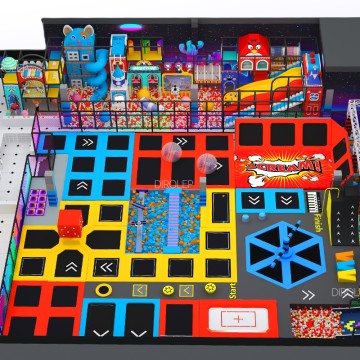
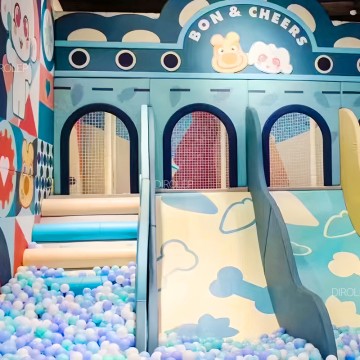
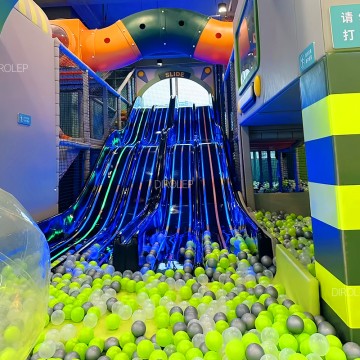
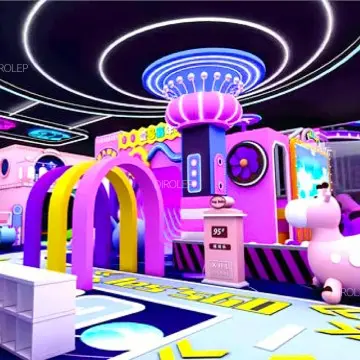
In modern healthcare architecture and pediatric healthcare operations, the waiting room is no longer regarded as a static holding area. Historically dominated by rigid plastic chairs and germ-laden tabletop toys, pediatric waiting environments frequently triggered acute anticipatory stress in young patients, directly correlating with elevated heart rates, behavioral agitation, and decreased treatment compliance. The implementation of a dedicated play slide for pediatric hospital and clinic waiting area play zones reflects a clinical revolution: shifting from clinical sterility toward holistic healing environments.
Today, the commercial integration of indoor play slide equipment into hospitals, ambulatory surgery centers, and specialty pediatric outpatient clinics is supported by evidence-based healthcare design (EBD). Pediatricians and child life specialists recognize gross motor activity—specifically the rhythmic, vestibular stimulation provided by slide descents—as an essential release valve for autonomic nervous system arousal. When children are allowed to climb, balance, and slide before a consultation or medical procedure, cortisol spikes are curtailed, transforming fear-inducing appointments into normalized, engaging visits.
High-Tech Materials and Stringent Infection Control Paradigms
The manufacturing specifications for clinical-grade waiting room play slides operate under criteria far more demanding than traditional retail or family entertainment center standards. In a hospital zone, equipment must resist aggressive chemical disinfectant regimens—including quaternary ammonium compounds, hydrogen peroxide vapor, and sodium hypochlorite dilutions—without degrading, discoloring, or micro-cracking where bacteria and biofilms can proliferate. Modern rotomolded medical-grade polyethylene (LLDPE) slides are engineered with seamless surfaces and non-porous formulations, frequently incorporating ionic silver antimicrobial additives that permanently suppress bacterial colonies such as MRSA and E. coli at the molecular level.
🛡️
Pathogen Resistance & Cleanability
Seamless roto-molding and chemical-resistant surfaces built to withstand strict hospital IPC (Infection Prevention & Control) daily sanitation protocols.
🧠
Sensory Integration & De-stressing
Gentle incline trajectories provide predictable vestibular feedback, soothing nervous children and converting clinical anxiety into positive play.
⚡
Smart Interactive Sensory Tech
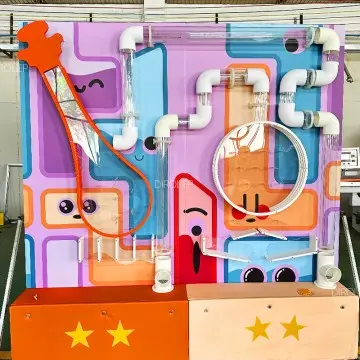
Integration of low-voltage LED reactive footpaths and interactive projection options along the slide run for cognitive immersion.
Emerging Commercial Trends: Micro-Footprint & Neurodiverse Inclusivity
Urban healthcare real estate values mandate spatial optimization. High-density outpatient departments demand verticality and high safety margins within compact footprints. Manufacturers are shifting toward modular micro-zones where slide entry points merge with sensory soft-play climbing steps, low-profile safety balustrades, and quiet decompression nooks underneath the structural platform.
Simultaneously, pediatric clinics are championing neurodiversity. In waiting rooms catering to children with Autism Spectrum Disorder (ASD), sensory processing challenges, or physical mobility differences, play slides are customized with gentle approach steps, high-contrast visual cues, tactile handrails, and non-overwhelming pastel palettes—such as therapeutic Morandi and muted botanical tones—preventing visual overstimulation while maintaining playfulness.


 CONTACT NUMBER

 CONTACT NUMBER
 CONTACT NUMBER