Leave Your Message
-
 CONTACT NUMBER
-

-
 CONTACT NUMBER
-
 CONTACT NUMBER

Japan presents one of the world's most sophisticated and safety-conscious markets for commercial playground equipment. From urban density mitigation in Greater Tokyo to regional park revitalizations in Hokkaido and Kyushu, commercial play procurement has transformed into an engineering-intensive industry.
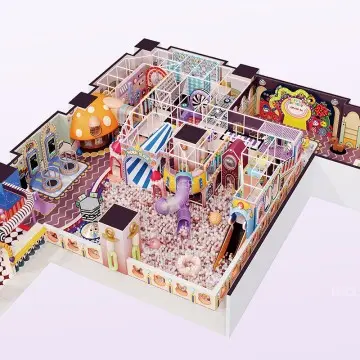
Land scarcity in Tokyo, Osaka, and Nagoya demands maximum volumetric efficiency. Japanese operators prioritize multi-level modular indoor structures that maximize cubic feet without compromising line-of-sight safety or ease of staff monitoring.
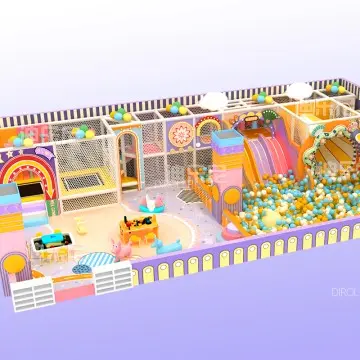
Major Japanese shopping developers (including Aeon Malls, Mitsui Shopping Parks, and LaLaport) utilize expansive indoor edutainment centers as foot-traffic anchors. Our customized soft play systems provide experiential dwelling time that bolsters family visits.
In response to Japan's shifting demographic structure, modern parks demand inclusive recreation. Our designs incorporate universal barrier-free access, sensory quiet zones, and multi-generational interaction modules enabling grandparents and children to bond safely.
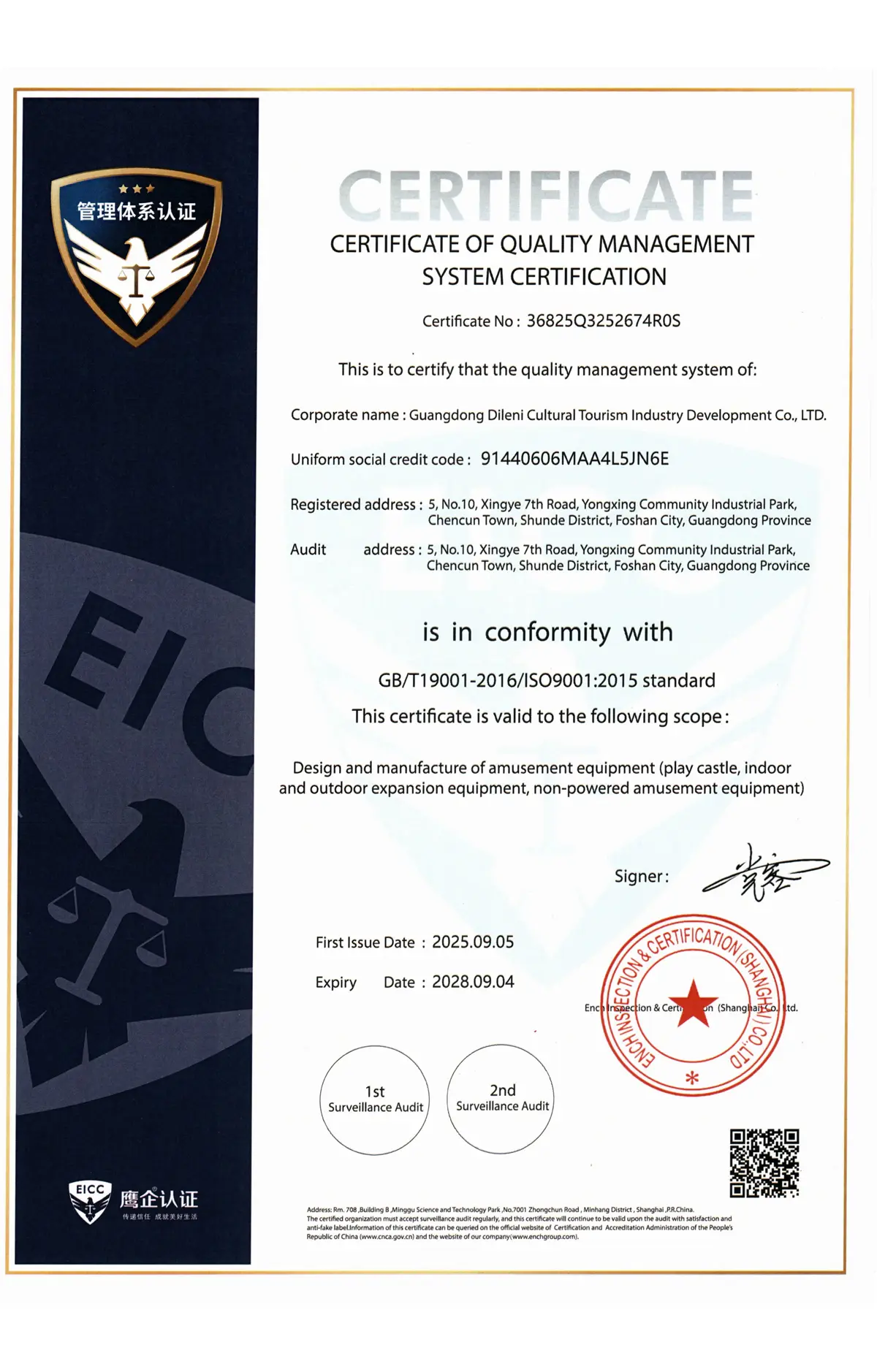
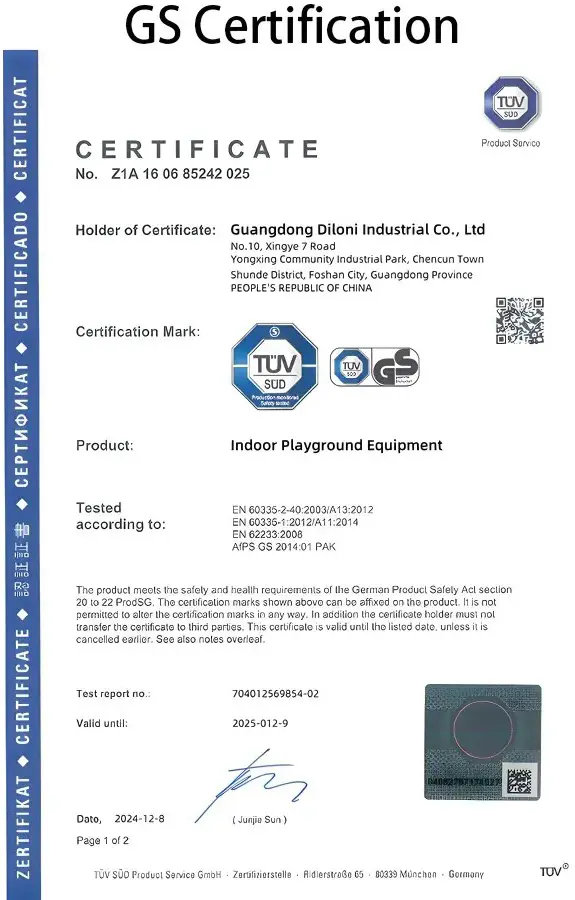
Deploying commercial play infrastructure in Japan requires uncompromising compliance with regional safety guidelines, fire resistance certifications, seismic stabilization, and eco-toxicology controls.
Unlike standard playground equipment, units engineered for Japan incorporate multi-point high-tensile steel baseplates, reinforced cross-beam triangulation, and shock-dissipating joints tested to maintain integrity during tremors, safeguarding young visitors across seismic zones.
All soft-play surfaces utilize commercial grade 0.55mm PVC tarpaulin treated with fire-retardant retarders conforming to international flame spread ratings and Japanese Building Standard Law requirements for closed-space shopping mall applications.
Our rotomolded plastics (LLDPE) and EVA floor cushions are formulated without heavy metals, formaldehydes, or harmful plasticizers. Certified non-toxic by the National Testing Center, ensuring peace of mind for sensitive infant and toddler play environments.
Impact zones feature high-density EPE foam underlays engineered to exact HIC (Head Injury Criterion) critical fall heights, exceeding strict municipal standards for public community daycare centers and commercial theme parks across Japan.
To capture high foot traffic in competitive commercial zones like Shinjuku, Minato Mirai, or Umeda, operators must stay ahead of design transformations currently dominating the Japanese leisure landscape.
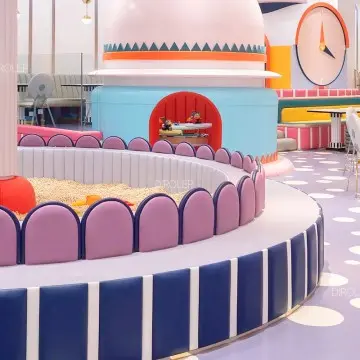
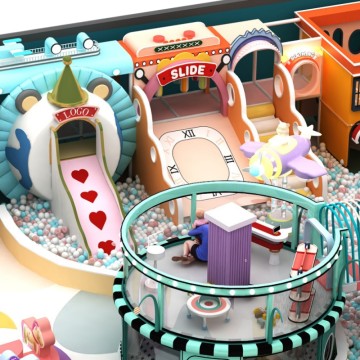
High-contrast primary colors are increasingly replaced by sophisticated Morandi tones: dusty rose, muted sage, beige, and soft gray. These harmonize with modern minimalist retail interiors, making play spaces visually attractive for lifestyle-conscious parents and Instagram-driven viral marketing.
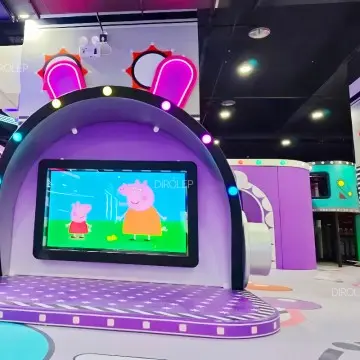
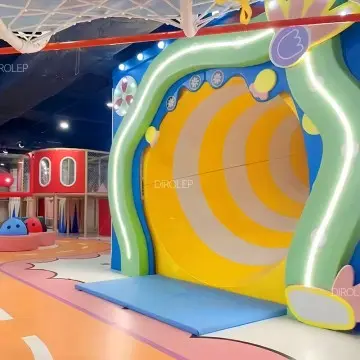
Japanese edutainment centers lead in merging active physical exercise with responsive technology. Interactive ball pits with projection mapping, sensor-embedded climbing walls, and motion-activated slides provide dynamic gameplay loops that foster extended user stays.
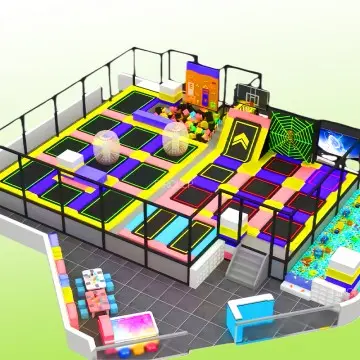
With growing interest in youth agility, balance, and coordination, commercial facilities are dedicating square footage to structured obstacle courses, plum-blossom piles, 360-degree bicycle runs, and timed ninja trails tailored for energetic adolescents.
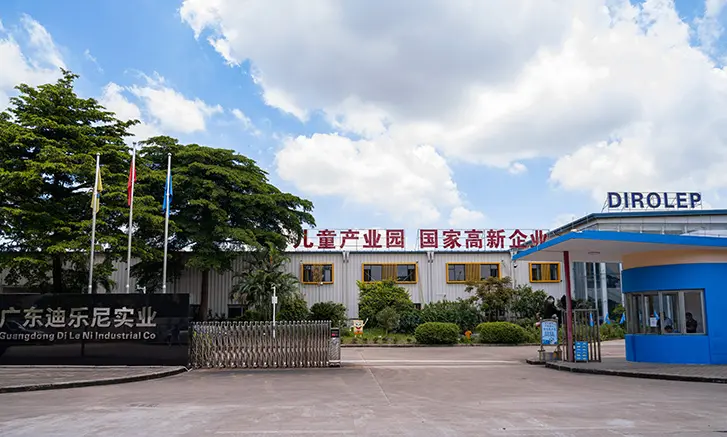
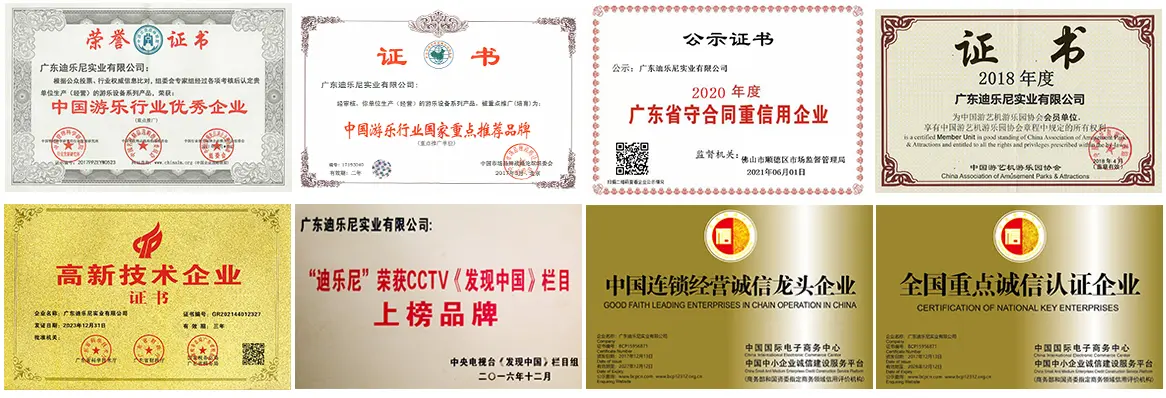
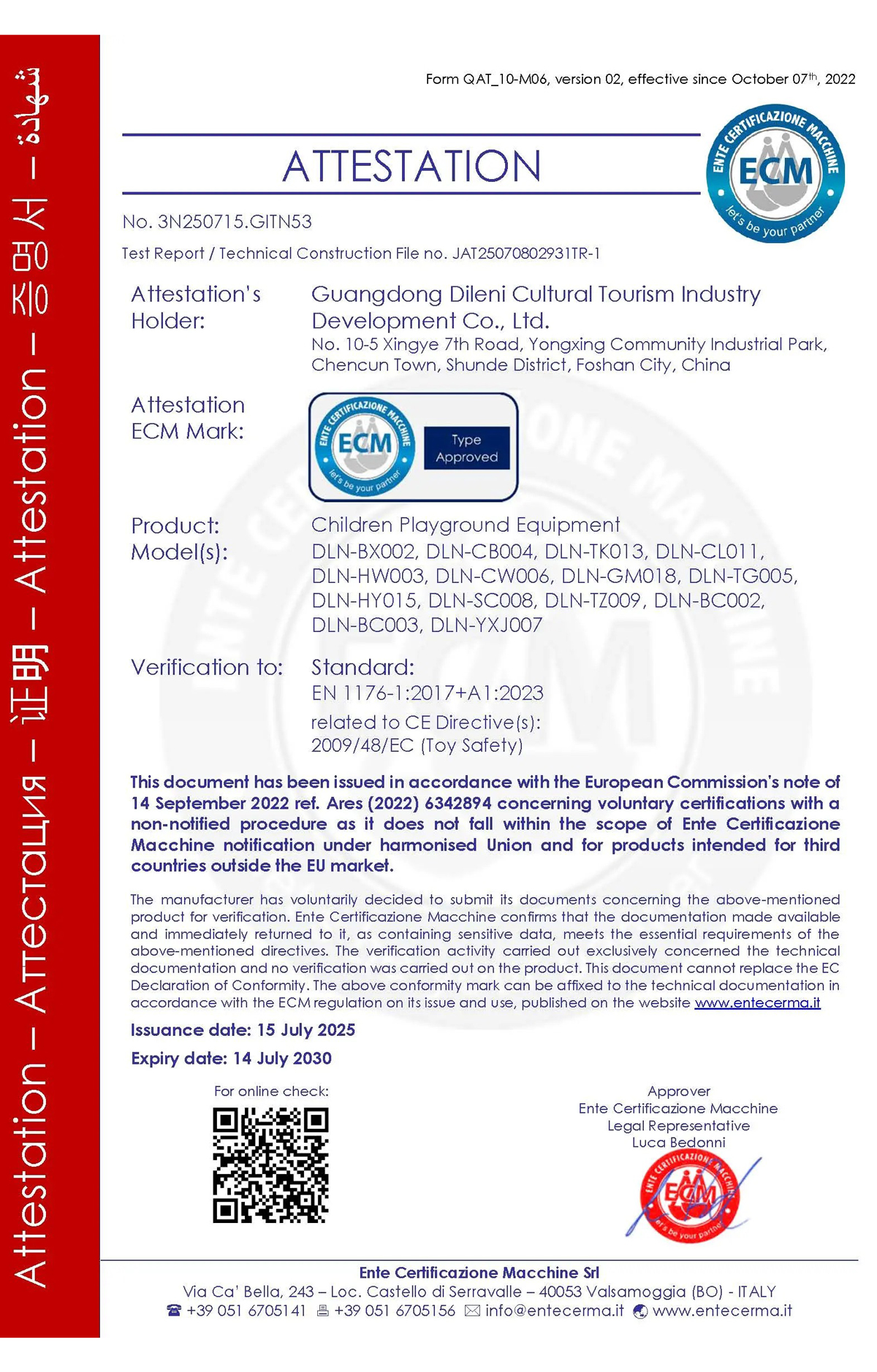
China Guangdong Dileni Industrial Company won the China Amusement Equipment Industry Outstanding Enterprise Certificate, China Amusement Industry National Key Recommended Brand Certificate, won the China Central Television CCTV Discover China Program on the list of brands, China High-tech Enterprise Certificate, China Key Integrity Enterprise Certificate and so on.

From Tokyo Bay to the Port of Kobe, our direct factory-to-site engineering pipeline guarantees predictable execution, accurate CAD drawings, seismic calculations, and rapid logistics turnaround.
Submit your floor plans (DWG/BIM). Our spatial engineers produce customized 3D Morandi or customized themed layouts, pillar encasements, safety boundary zoning, and capacity calculations within 48 to 72 hours.
Manufactured across our 18,000+ sqm Guangdong manufacturing base. Robotic laser-cutting, high-grade rotational molding, and pre-assembly testing guarantee tight mechanical tolerances before export crating.
Direct ocean freight to Yokohama, Tokyo, Kobe, or Hakata. We provide bilingual step-by-step 3D assembly guides, video walk-throughs, and on-site engineering supervision to ensure smooth handover and compliance verification.
Review our comprehensive portfolio of commercially certified equipment ready for customization, export, and deployment across private play centers, hotel resorts, municipal civic parks, and mega shopping centers throughout Japan.
We supply comprehensive material test reports covering flame-retardant PVC tarpaulins, high-density fire-resistant foams, and anti-static coatings that comply with commercial facility inspection codes commonly required by fire departments in Tokyo, Kanagawa, and Osaka.
Our manufacturing cycle spans 15 to 25 days depending on project customization. Ocean transit from Guangdong to Tokyo, Yokohama, or Osaka typically requires only 4 to 7 days, providing one of the fastest international supply line timelines in the commercial amusement sector.
Yes. Japanese indoor spaces frequently present low ceiling heights and multiple load-bearing pillars. Our CAD design team customizes structural sleeves, padded climbing wraps, and modular corridors that transform architectural constraints into interactive play features.
We offer a comprehensive warranty covering structural steel frames for up to 5 years and soft-play surfaces for 2 years. Standardized connectors, replacement net meshes, and spare fasteners are dispatched by express air freight to minimize venue downtime.