Inquiry
Form loading...

2026 Best Playground Apparatus for Global Buyers?

Choosing the best Playground Apparatus in 2026 requires more than comparing colorful designs or advertised prices. Global buyers need equipment that performs safely across different climates, cultures, and public spaces. A coastal playground may face salt air, strong sunlight, and persistent moisture. A city installation may need compact layouts, noise control, and high daily capacity.

This guide examines practical choices for schools, parks, resorts, and community developments. It considers age suitability, inclusive access, fall protection, surface performance, material durability, and inspection requirements. Steel, aluminum, recycled plastic, timber, and rope systems each offer benefits and limitations. A bright finish can attract children, but it may fade quickly under intense ultraviolet exposure. Small details matter.

Supplier experience also deserves careful attention. Reliable manufacturers should provide test reports, installation guidance, maintenance schedules, spare-part support, and clear warranty terms. Buyers should check whether products match recognized international safety standards and local approval requirements. Certifications help, but they do not replace independent judgment or site inspection. This point is easy to overlook.

The strongest option is rarely the most expensive model. It is the system that fits the users, environment, budget, and maintenance capacity. A cheaper structure may become costly when replacement parts are difficult to source. Even expert recommendations can miss local realities. Therefore, this article compares leading Playground Apparatus solutions through evidence, practical use, and long-term value, helping global buyers make safer and more defensible decisions in 2026.

2026 Best Playground Apparatus for Global Buyers?

Understanding Playground Apparatus Categories for Global Buyers

2026 Best Playground Apparatus for Global Buyers

Understanding Playground Apparatus Categories for Global Buyers

Playground apparatus usually falls into several practical categories: swinging, sliding, climbing, balancing, spinning, and imaginative play. Each category supports different physical and social skills. Swings develop rhythm and body control. Slides encourage climbing confidence and safe risk assessment. Climbing frames build strength, coordination, and problem-solving. Balance beams demand focus. These differences matter when selecting equipment for schools, parks, resorts, and residential communities. A mixed layout usually serves more children than a single large structure.

Materials and user age also create important categories. Metal frames suit heavy public use, while treated timber can offer a warmer visual character. Plastic components often support bright designs and younger users. Buyers should check surface temperature, drainage, corrosion resistance, fall zones, and maintenance access. Climate changes everything. Coastal air may accelerate rust. Strong sunlight can weaken some surfaces. A catalog image cannot reveal that. Site inspections remain essential, though they are sometimes rushed.

Tips: Match apparatus to local climate, age groups, and available space. Request technical drawings, load information, installation guidance, and maintenance schedules. Ask how replacement parts are supplied internationally. Leave enough clearance around moving equipment. Include accessible routes where possible, but do not treat accessibility as a decorative feature. Test samples when practical. A small oversight, such as poor drainage beneath a slide, can become an expensive and recurring problem. Local installers may notice conditions that distant suppliers miss.

2026 Best Playground Apparatus for Global Buyers

Understanding Playground Apparatus Categories by Typical Age-Band Suitability

This planning chart maps common playground apparatus categories against the three age bands used in widely referenced U.S. public playground safety guidance: 6–23 months, 2–5 years, and 5–12 years. A value of 1 indicates that the category is commonly designed or specified for that age band; 0 indicates that it is not typically the primary target.

Apparatus suitability depends on equipment dimensions, fall height, surfacing, supervision, accessibility requirements, and local standards. Global buyers should verify the final specification against applicable regulations such as EN 1176, ASTM F1487, or local requirements.

Key Safety Standards and Compliance Requirements in 2026

2026 Best Playground Apparatus for Global Buyers?

In 2026, playground safety depends on verified design, not attractive pictures.

The U.S. Consumer Product Safety Commission reports over 200,000 playground injuries treated in emergency departments annually. Falls represent about 79% of reported injuries, according to its Public Playground Safety Handbook. Therefore, buyers should check fall height, impact-absorbing surfacing, guardrails, and safe access points.

ASTM F1487 and the EN 1176 series provide important benchmarks for equipment design and testing. These standards address entrapment openings, sharp edges, protruding hardware, structural strength, and spacing between components.

For global projects, ask for independent test reports, material traceability, installation drawings, and maintenance instructions. A certificate alone may not prove complete site compliance. Installation quality still matters.

Tips: Measure the actual site. Confirm climate resistance. Keep inspection records.

Inspectors should review bolts, welds, drainage, surfacing depth, and corrosion risks after installation. Wet climates can weaken untreated metal areas. Heavy use can also compress loose-fill surfacing beneath slides and swings.

The CPSC handbook recommends regular inspections, but inspection frequency should reflect local weather and daily traffic. This is where many procurement plans remain too optimistic. A careful buyer should leave room for redesign when site conditions change.

How to Evaluate Materials, Design, Durability, and Accessibility

2026 Best Playground Apparatus for Global Buyers?

How to Evaluate Materials, Design, Durability, and Accessibility

Global buyers should judge playground apparatus by evidence, not attractive renderings. In site inspections, I check material certificates, weld quality, drainage, and spaces around moving parts. Powder-coated steel may resist weather, while durable plastics reduce splinters and exposed edges. Ask how materials perform under heat, salt air, freezing temperatures, and heavy daily use. A sample that feels solid indoors can age differently outdoors.

Design should guide children safely without making play feel predictable. Look for varied heights, clear sightlines, shaded waiting areas, and surfaces that soften falls. Entrapment gaps, sharp corners, and difficult climbing routes deserve immediate review. Accessibility requires more than a ramp. A useful layout can include transfer platforms, supportive handrails, sensory elements, and routes wide enough for mobility devices. Yet I have seen accessible features placed at the edge, where children cannot play together.

Durability depends on engineering and maintenance, not material labels alone. Request load data, corrosion protection details, installation drawings, and a realistic inspection schedule. Check whether replacement parts remain available after several years. Global purchasing also requires clear manuals and local installer training. Independent testing strengthens confidence, but buyers should still inspect the finished site. No checklist is perfect. A rushed installation, poor drainage, or one overlooked bolt can shorten service life. Record these risks before approving the order.

Best Playground Apparatus Types for Different Ages and Spaces

Choosing playground apparatus by age is more reliable than choosing by appearance. The World Health Organization recommends at least 60 minutes of moderate-to-vigorous activity daily for children aged 5–17. Therefore, younger users need low platforms, short slides, spring riders, and gentle climbing steps. Toddlers require enclosed layouts and clear sightlines. Small details matter.

Children aged 5–12 benefit from climbing nets, balance beams, slides, and cooperative spinners. These elements build strength, coordination, and social confidence. The U.S. Consumer Product Safety Commission reports more than 200,000 playground-related injuries treated in emergency departments annually. Proper fall protection is essential. Use impact-attenuating surfacing and check equipment spacing against local standards, such as EN 1176 or ASTM F1487.

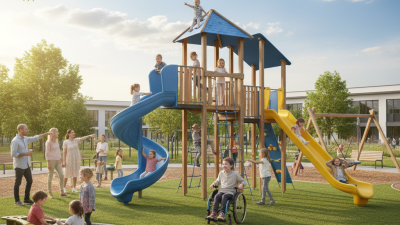
Space changes everything. A compact courtyard suits modular towers, vertical climbers, and quiet sensory panels. A schoolyard can support separate activity zones, reducing collisions between fast and slow users. Large public parks may combine challenging towers, inclusive wheelchair-accessible routes, and fitness elements for older children.

Climate also affects material choices; intense sun can heat metal quickly, while coastal air accelerates corrosion. A practical mistake is designing for maximum equipment count. Fewer, better-spaced units often improve supervision and usability. Recheck assumptions with local installers and safety inspectors.

Comparing Suppliers, Costs, Installation, and Long-Term Maintenance

For global buyers, playground value depends on more than the equipment invoice. Supplier evaluation should include material certificates, factory quality checks, spare-part availability, and export packaging. ASTM F1487-21 and EN 1176 require careful attention to fall zones, entrapment risks, impact surfaces, and structural strength. Ask suppliers for drawings and load information before signing.

Installation is not free. The 2025 RSMeans Facilities Construction Cost Data shows that regional labor, concrete work, freight, and site access can materially change project costs. A remote site may need cranes, drainage upgrades, or imported surfacing materials. Get a landed-cost quotation, not only an equipment price. The U.S. Consumer Product Safety Commission reports about 200,000 emergency-department-treated playground injuries annually in the United States. Proper assembly and impact testing are practical risk controls, not paperwork.

Long-term maintenance deserves a written schedule. Monthly inspections should check loose bolts, cracked welds, damaged coatings, worn ropes, and displaced surfacing. The CPSC Public Playground Safety Handbook recommends regular inspection and prompt repair, while ISO 8124-4 emphasizes safety requirements for inflatable play equipment. Maintenance budgets should cover cleaning, replacement parts, resurfacing, and independent inspections. Cheap is rarely cheap. I would also question unusually low quotations; they may exclude drainage, commissioning, or future spare parts. A small mistake at procurement can become an expensive repair after one rainy season.

2026 Best Playground Apparatus for Global Buyers: Supplier, Cost, Installation, and Long-Term Maintenance Comparison
Apparatus Category Recommended Age Range Typical Capacity Indicative Equipment Cost
(USD, 2026)
Typical Site Area Preferred Supplier Route Estimated Installation Cost Typical Lead Time Annual Maintenance Budget Expected Service Life Long-Term Maintenance Profile Global Buyer Suitability
Toddler Modular Play System 2–5 years 12–20 children $4,000–$15,000 45–90 m² Local manufacturer or regional distributor $1,500–$5,000 6–12 weeks $300–$900 10–15 years Low to moderate. Inspect platforms, handrails, fasteners, plastic panels, and surfacing regularly. Excellent for nurseries, hotels, residential developments, and compact sites
Standard Multi-Play Tower 5–12 years 20–40 children $12,000–$45,000 120–250 m² Regional distributor or direct international supplier $4,000–$14,000 8–16 weeks $900–$2,500 12–20 years Moderate. Moving parts, climbing components, roofs, slides, and impact-attenuating surfacing require scheduled checks. Best all-round option for public parks and community playgrounds
Inclusive Playground System 2–12 years 25–50 children $25,000–$90,000 180–400 m² Specialist regional supplier with accessible-design support $8,000–$28,000 12–24 weeks $1,500–$4,500 12–20 years Moderate to high. Accessible transfer platforms, ramps, sensory elements, seating, and route clearances need careful inspection. Strong choice for schools, municipalities, healthcare sites, and destination parks
Rope and Adventure Course 5–14 years 15–35 children $20,000–$80,000 200–500 m² Specialist supplier with certified installation capability $10,000–$35,000 14–28 weeks $2,000–$6,000 10–15 years High. Ropes, cables, connectors, anchor points, harness systems, and fall zones require documented inspections. Suitable for adventure parks and high-engagement recreational projects
Natural Timber Play Structure 3–12 years 15–35 children $15,000–$60,000 150–350 m² Local or regional specialist familiar with local climate conditions $5,000–$20,000 10–20 weeks $1,500–$5,000 8–15 years Moderate to high. Moisture, insects, cracking, fungal growth, drainage, and protective coatings must be monitored. Best for parks, resorts, ecological developments, and landscape-led projects
Outdoor Fitness Station 14+ years 8–20 users $8,000–$35,000 80–180 m² Local manufacturer or regional outdoor-fitness distributor $3,000–$12,000 8–16 weeks $700–$2,000 10–15 years Low to moderate. Check bearings, welds, grips, moving joints, corrosion protection, and instructional labels. Good for public parks, residential communities, hotels, and fitness zones
Water and Sand Play Area 2–10 years 15–30 children $10,000–$50,000 100–250 m² Local contractor supported by a specialist equipment supplier $6,000–$25,000 10–20 weeks $2,000–$7,000 8–15 years High. Water quality, drainage, pumps, filters, hygiene, standing water, and slip resistance require frequent attention. Best for resorts, family attractions, schools, and warm-climate destinations
Compact Urban Play Unit 3–10 years 8–18 children $7,000–$25,000 60–140 m² Local manufacturer or regional distributor $2,500–$9,000 6–14 weeks $500–$1,500 10–15 years Low to moderate. Prioritize vandalism resistance, corrosion control, drainage, and easy replacement of wear parts. Ideal for apartment complexes, urban infill sites, schools, and small public spaces

Cost basis and procurement note: Figures are indicative 2026 planning ranges in U.S. dollars for commercial-grade equipment and normally exclude land preparation, design fees, taxes, customs duties, shipping, site utilities, permits, and replacement of major surfacing. Installation costs commonly represent approximately 25%–60% of equipment cost, depending on ground conditions, access, local labor rates, surfacing requirements, and inspection obligations. Buyers should request a project-specific quotation and verify compliance with the playground safety regulations applicable in the destination country.