2026 Top Indoor Play Equipment Commercial Buying Guide?
The market for Indoor Play Equipment Commercial is rapidly evolving as more businesses seek to enhance children’s play experiences. Renowned expert, Dr. Sarah Thompson, emphasizes the importance of this trend: "Creating safe and engaging environments is vital for children's development." This highlights how crucial quality indoor play equipment is.
In 2026, selecting the right equipment requires careful consideration. Many business owners struggle with choosing options that effectively balance safety, engagement, and long-term value. The variety of products available can be overwhelming. A thoughtful approach is necessary, where features meet the unique needs of children.
As you navigate this buying guide, reflect on how equipment choices shape children's interactions. Each piece serves a purpose beyond mere play. The right decisions can promote physical coordination and social interaction. Be mindful, as mistakes in selection can lead to safety concerns or underwhelming experiences. Let's explore the best options together.
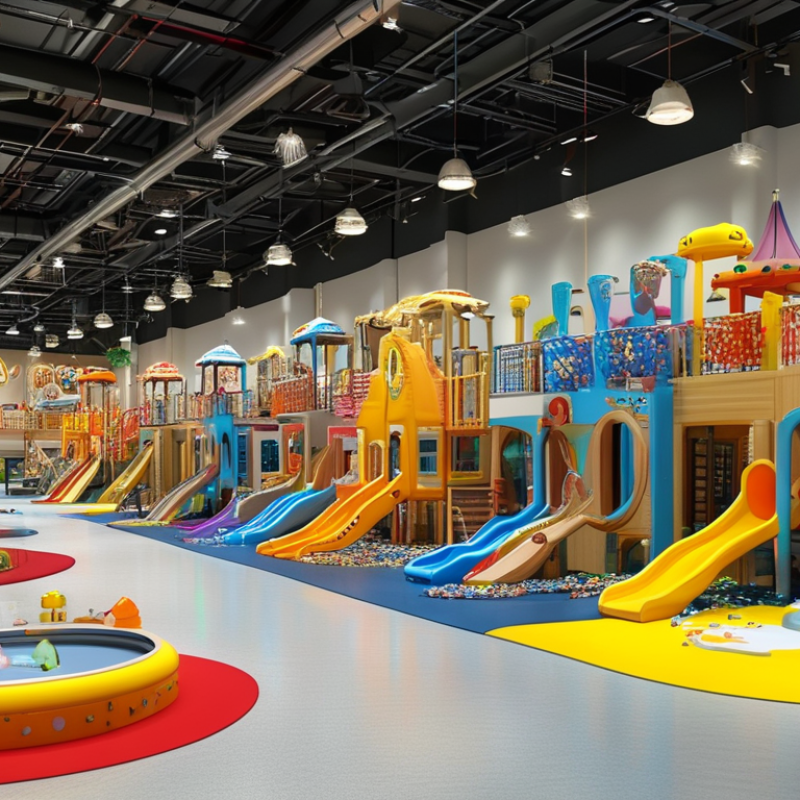
Understanding Indoor Play Equipment Types and Uses
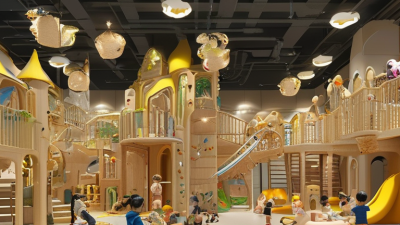
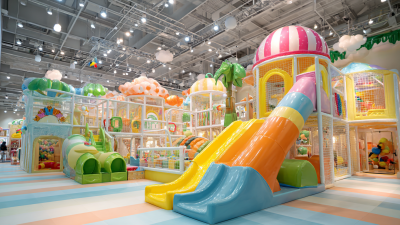
Indoor play equipment comes in various types, each serving unique purposes. Soft play areas promote safe and imaginative play among young children. These zones typically contain foam structures, ball pits, and slides. Research indicates that, by incorporating such equipment, facilities can enhance children’s physical development and social skills. According to the International Play Equipment Manufacturers Association (IPEMA), play areas can increase active playtime by about 35%, which is vital for healthy development.
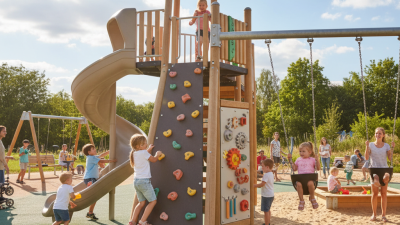
Another category is climbing structures. These encourage kids to engage in physical challenges, enhancing strength and coordination. Data from the Physical Activity Council suggests that children aged 6-12 need at least an hour of active play each day. Adding climbing elements can significantly contribute to this need. However, it's essential to ensure these structures meet safety guidelines to prevent injuries.
Tips: Regularly inspect equipment for wear and tear. Ensure safety mats are in place and free from debris. Consider incorporating varied activity zones to keep children engaged. It can be challenging to meet the diverse needs of every child, but thoughtful planning can lead to a more inclusive play environment.
Key Factors to Consider When Buying Commercial Play Equipment
When selecting commercial indoor play equipment, several key factors deserve careful consideration. Safety is paramount. Ensure that all equipment meets industry standards. Check for sturdy materials and smooth edges. Regular inspections are essential.
Space availability impacts your choices. Measure your area accurately before purchasing. Too much equipment can make the space feel cramped. Balance is crucial. Your setup should encourage exploration without overwhelming children.
Don’t overlook the theme and design of the equipment. A visually appealing setup can attract more visitors. Kids are drawn to vibrant colors and interactive elements. However, trends change. Consider timeless designs that will remain relevant.
Tips: Always involve your target audience in the selection process. Gather feedback from caregivers and children. Their insights can steer your choices.
Evaluate warranty and maintenance options. Quality equipment can be an investment. A solid warranty provides peace of mind. Keep in mind that maintenance is often overlooked. Regular upkeep prolongs the life of your equipment. Reacting promptly to wear and tear is essential.
Evaluating Safety Standards for Indoor Play Equipment
When considering indoor play equipment, safety is paramount. Data from the U.S. Consumer Product Safety Commission indicates that over 200,000 children are treated for playground-related injuries each year. Evaluating safety standards is crucial to minimize risks and ensure children's well-being. Thorough assessments must include equipment materials, design, and fall zones. A report from the ASTM International states that compliance with voluntary safety standards can significantly reduce the likelihood of injuries.
Manufacturers should be validated by third-party safety organizations. Certifications, like the ones from the International Play Equipment Manufacturers Association, are essential to trustworthiness. But always look deeper. Not every certification tells the full story. Sometimes, manufacturers cut corners after obtaining their certifications, leading to potential hazards.
Regular safety audits are vital for facilities that host indoor play areas. These audits can reveal unnoticed wear and tear. Furthermore, ongoing training for staff on equipment use and maintenance is often overlooked. It can significantly contribute to injury prevention. Awareness and vigilance are critical components of a safe play environment.
Budgeting for Indoor Play Equipment Purchases and Maintenance
When planning for indoor play equipment purchases, budgeting is crucial. Understand the upfront costs, which often include the equipment itself, installation, and safety features. Routine maintenance cannot be overlooked either. Regular checks on equipment condition can prevent costly repairs.
Consider setting a maintenance fund. This helps manage unexpected repairs or replacements. Predicting costs annually can provide a clearer picture of your budget.
Tips: Keep a detailed log of all expenses and repairs. Regular updates can help track your spending effectively. Evaluate the cost-effectiveness of each piece of equipment. Sometimes, cheaper options may lead to higher long-term costs. Reassessing your budget frequently will ensure you stay on track.
2026 Indoor Play Equipment Budget Breakdown
Choosing the Right Supplier for Indoor Play Equipment Needs
Choosing the right supplier for indoor play equipment is crucial for business success. The indoor play market is projected to reach $10 billion globally by 2026, according to recent industry reports. With such growth, selecting a reliable supplier becomes essential for safety and customer satisfaction.
When researching suppliers, look for those with a strong track record. Experience in manufacturing and safety standards is vital. Check if they meet certifications like ASTM and EN, which ensure products are safe for children. It’s surprising how many suppliers might overlook these certifications, putting children at risk.
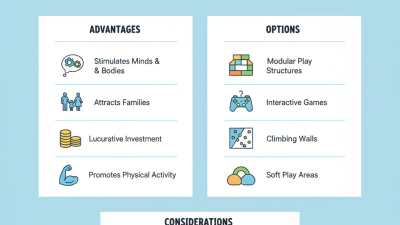
Additionally, consider the range of products offered. A reputable supplier should provide a variety of equipment, from climbing structures to interactive games. This variety not only enhances play experiences but also keeps customers returning. Don't hesitate to ask for references and case studies. Peer insights can reveal inconsistencies or hidden challenges in a supplier’s offerings. Remember, choosing a supplier is not just a transaction; it's a long-term partnership that influences your business reputation.


 CONTACT NUMBER
 CONTACT NUMBER
 CONTACT NUMBER