Choosing the right playground begins with evidence, not bright colors or impressive equipment. Outdoor Playground Design should balance physical challenge, supervision, accessibility, durability, and long-term maintenance. Buyers need to imagine real use: wet shoes near a slide, crowded platforms after school, and a caregiver watching from a shaded bench.
The U.S. Consumer Product Safety Commission’s Public Playground Safety Handbook reports that falls account for approximately 79% of playground-equipment injuries treated in emergency departments. That figure makes surfacing, fall zones, guardrails, and regular inspections commercial priorities, not minor technical details. ASTM F1487 also provides widely used safety specifications for public playground equipment in the United States. These standards cannot replace professional judgment. Site drainage, local climate, user age, and maintenance capacity still change the correct solution.
Tim Gill, an independent play researcher and author of Urban Playground, offers a useful distinction: “Risk is not the same as hazard.” A thoughtful design can include climbing nets, uneven routes, and controlled heights without creating preventable danger. Children need challenge. Adults need confidence.
This guide examines ten practical Outdoor Playground Design ideas for buyers, including inclusive layouts, modular equipment, natural play elements, shade, surfacing, and lifecycle value. Some choices will remain imperfect. A rubber surface may improve impact protection but increase heat. Timber may feel warmer and more natural, yet demand closer maintenance. Good purchasing decisions acknowledge these tensions instead of hiding them behind attractive renderings.
10 Best Outdoor Playground Design Ideas for Buyers
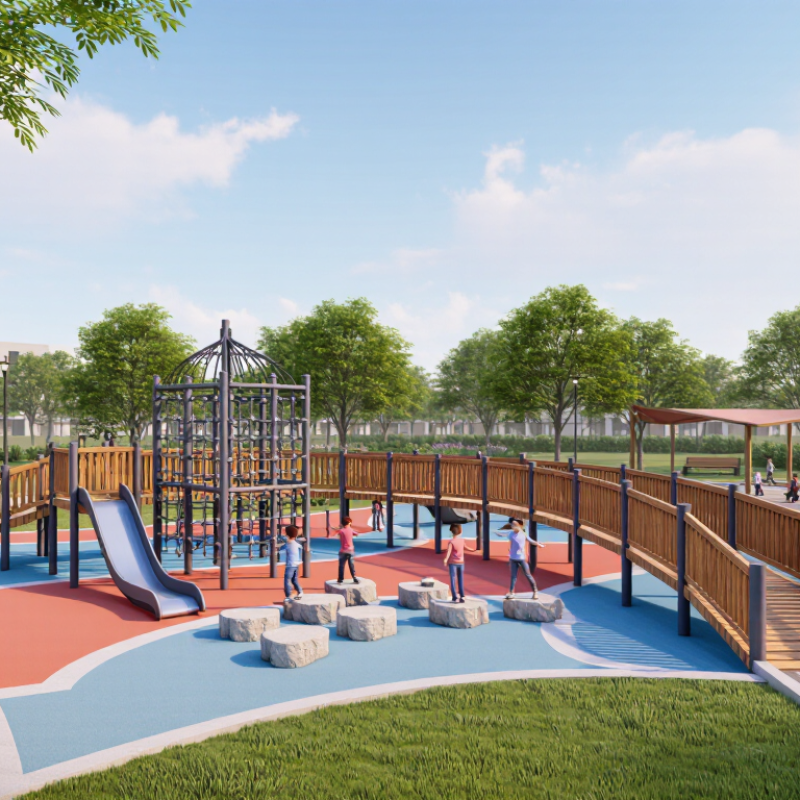
A safe playground begins with the site, not the equipment catalog. During site reviews, I look for clear visibility from seating areas, classrooms, and access paths. Avoid placing play zones beside vehicle routes, sharp corners, or standing water. Measure the full fall zone around every structure. Crowded layouts often create hidden collision risks.
Separate areas by age and activity level. Toddlers need low platforms, short slides, and secure entry points. Older children may need climbing features, balance elements, and wider movement spaces. Use impact-absorbing surfacing beneath elevated equipment. The surface should extend beyond likely fall areas and remain level near entrances. Accessible routes should connect parking, gates, play features, and nearby facilities without sudden steps.
Shade matters more than many buyers expect. A hot metal slide can become unusable before noon. Plan trees, shade structures, and drinking water carefully, while keeping sightlines open. Good drainage prevents mud, ice, and surface damage after rain. Leave enough space for maintenance vehicles and emergency access. Inspect bolts, gaps, edges, surfacing, and drainage on a regular schedule, following current local safety requirements.
One mistake I still see is treating maintenance as an afterthought. A beautiful playground can fail when loose surfacing hides damaged parts. Buyers should request inspection records, installation details, and a practical maintenance schedule. Some plans look excellent on paper but feel cramped in use. Test the layout with children, caregivers, and accessibility specialists before construction.
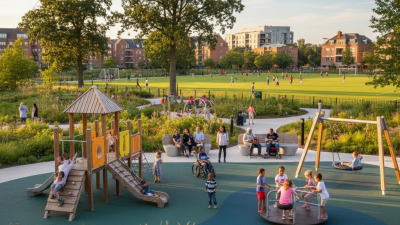
Age-appropriate playgrounds work best when each activity zone matches children’s size, confidence, and developing skills. For toddlers, place low platforms, short slides, and sensory panels near shaded seating. Keep this zone away from fast swings and ball-play areas. Clear sightlines help caregivers supervise without standing inside every play space. Keep routes clear.
Older children often enjoy climbing nets, balance challenges, and longer slides. Arrange these activities with enough space for children to enter, exit, and wait safely. Create a quieter area with benches or nature features nearby. Not every child wants constant movement. A layout can look orderly on paper yet feel cramped once a group arrives, so observe how children actually use it.
Tips: Separate active and quiet zones with planting or low visual barriers, not hidden corners. Choose accessible paths and play features, and confirm surfacing, clearances, and equipment placement against current supplier guidance. Recheck traffic patterns after opening; children may create shortcuts designers did not expect.
Planning guide: scores indicate relative suitability for each age group, not measured usage or a safety certification. Separate age-appropriate areas, provide accessible routes, and select equipment for the intended users.
10 Best Outdoor Playground Design Ideas for Buyers
Durability starts with the structure, not the bright colors. Choose galvanized or powder-coated steel for frames exposed to rain and humidity. Check welds, rounded edges, stable anchors, and clear load ratings. Equipment should also meet recognized local playground safety standards. Ask suppliers for test reports and maintenance instructions. Do not rely on attractive pictures alone.
Weather-resistant materials reduce long-term repairs. UV-stabilized plastic helps prevent fading and cracking under strong sunlight. High-density polyethylene works well for panels, slides, and activity walls. Rot-resistant timber can feel warmer, but it needs regular sealing and close inspection. Rubber surfacing should drain quickly and remain flexible in temperature changes. Good drainage matters. Standing water quietly damages foundations and creates slippery areas.
Small details often decide whether a playground lasts ten years. Use tamper-resistant fasteners and inspect them after storms. Keep metal surfaces shaded where possible, because hot equipment can burn children. In coastal areas, rinse salt deposits from frames regularly. One common mistake is choosing cheaper flooring without checking its impact rating. I would question that decision. A lower purchase price may bring earlier replacement costs. Keep a simple inspection log, noting loose bolts, fading surfaces, cracks, and drainage problems. No material stays perfect. Durable design means planning for wear, cleaning, and honest repairs.
An inclusive playground should let children choose how to join, rather than funneling everyone into one activity. UNICEF’s 2021 report, Seen, Counted, Included, estimates that 240 million children worldwide live with disabilities—nearly one in ten. This global estimate is not a local forecast, but it shows why access should shape a project from the start. Look for firm, level routes connecting parking, play areas, and seating. Check them after rain, too. Mud can turn a good plan into a blocked route.
Offer several ways to play: ground-level panels, ramps to raised platforms, tactile features, and swings with supportive seating. Add high-contrast edges for easier wayfinding and a quieter shaded spot near, not far from, the action. Caregiver seating with clear sightlines helps without making adults the center of play. Some choices compete. A wider path may reduce space for equipment, and a sensory corner can feel isolating if it is tucked away. Ask children, caregivers, and disability advocates to review a site plan or mock-up before purchase; drawings often miss awkward turning points. For U.S. projects, the Access Board’s 2010 ADA Standards provide technical requirements for accessible playground routes and components. Verify the rules that apply to the specific site.
| Design Idea | Inclusive Features | Who It Can Support | Buyer Planning Considerations |
|---|---|---|---|
| 1. Continuous Accessible Routes | Connect entrances, play areas, and key activities with firm, stable, slip-resistant routes. Minimize abrupt level changes and keep routes clear of obstacles. | Children using wheelchairs or mobility devices, children with balance or walking difficulties, and caregivers. | Map the route from the site entrance to several play opportunities, not just to the edge of the play area. Confirm applicable local accessibility requirements during design review. |
| 2. Ground-Level Play Activities | Include engaging activities at ground level, such as interactive panels, musical features, or play components reachable from an accessible route. | Children who use mobility devices, children who prefer lower-stimulation play, and children who need seated play options. | Offer a variety of activities rather than relying on one accessible feature. Check that controls and play surfaces can be reached from both standing and seated positions. |
| 3. Multiple Ways to Reach Elevated Play | Combine ramps, transfer platforms, and accessible ground-level activities so children can access play in different ways. | Children with different mobility, strength, coordination, and balance abilities. | Review the complete route to elevated activities, including transitions and turning areas. A transfer option can help some users but is not a substitute for an accessible route where one is required. |
| 4. Inclusive Swing Area | Provide a range of swing experiences, such as traditional seats and supportive seat options, with clear circulation space around the equipment. | Children who need additional postural support, children with varied movement abilities, and children who enjoy different types of motion. | Plan for safe spacing, accessible approach routes, and caregiver assistance where needed. Choose equipment and surfacing appropriate to the intended users and site conditions. |
| 5. Sensory-Rich Play Zones | Offer a balanced mix of tactile, visual, auditory, and movement-based experiences, with quieter options nearby. | Children with sensory processing differences, children with visual or hearing disabilities, and children who benefit from varied play experiences. | Arrange active and quieter features to reduce unwanted noise and crowding. Use clear visual cues and avoid making a single sensory experience necessary to participate. |
| 6. Shaded Rest and Gathering Spaces | Add shaded seating and comfortable places to pause near play areas without blocking circulation routes. | Children who need breaks, caregivers, older visitors, and families who spend extended time outdoors. | Consider shade throughout the day, seating with space beside it for mobility devices, and clear sightlines between seating and play features. |
| 7. Cooperative and Imaginative Play | Use play panels, pretend-play settings, and shared activities that encourage interaction without requiring speed, climbing, or competition. | Children with varied physical, communication, and social abilities, including children who prefer parallel or collaborative play. | Provide more than one way to join an activity. Position shared features along accessible routes and include activities usable by children at different heights. |
| 8. Clear Wayfinding and Visual Cues | Use consistent signs, recognizable landmarks, contrasting colors, and simple layouts to help visitors understand where activities are located. | Children with low vision, developmental disabilities, or wayfinding challenges, as well as first-time visitors. | Use readable, high-contrast signs and keep key routes visually clear. Do not rely on color alone to communicate important information. |
| 9. Accessible, Safety-Focused Surfacing | Select impact-attenuating surfacing suitable for the equipment’s fall zones while maintaining a firm, stable surface along accessible routes. | Children using mobility devices and all children who use equipment with fall-height risks. | Check the surfacing system’s accessibility, impact performance, drainage, maintenance needs, and compatibility with the equipment. Inspect and maintain it regularly according to applicable standards and manufacturer guidance. |
| 10. Flexible Multi-Age Play Layout | Arrange a range of challenge levels and play types, with clear connections between active, quiet, ground-level, and elevated activities. | Children of different ages, abilities, confidence levels, and play preferences. | Plan circulation, supervision, and separation between high-energy movement and quieter activities. Involve children, caregivers, and accessibility professionals in reviewing the layout before purchase. |

Planning note: These are design considerations, not a substitute for project-specific code review. Accessibility, safety, equipment, and surfacing requirements vary by location and site; confirm applicable standards with qualified design professionals and local authorities.
A durable playground begins with the maintenance plan, not the color palette. Choose simple forms, sealed hardware, replaceable panels, shaded seating, and drainage that prevents standing water. Rubber surfacing, engineered wood fiber, and poured-in-place surfaces each require different inspections and renewal schedules. The U.S. Consumer Product Safety Commission reports roughly 200,000 emergency-department injuries from playground equipment each year. Safer layouts need clear fall zones, visible sightlines, guardrails, and age-appropriate play areas. These details protect children and reduce future repair pressure.
Budget for the entire ownership cycle. Include delivery, ground preparation, surfacing, inspections, cleaning, spare parts, and eventual replacement. The National Recreation and Park Association’s Agency Performance Review shows that maintenance remains a major component of public park operating costs, although exact spending varies by facility size and region. A lower purchase price can become expensive when drainage fails or custom parts are difficult to source. Modular slides, accessible routes, durable shade structures, and open-ended climbing elements usually offer better long-term flexibility.
Ask for written maintenance intervals and realistic service-life assumptions. Check whether staff can tighten fittings, replace boards, and inspect surfacing without specialist tools. Keep a repair log with dates, photographs, and recurring defects. It sounds basic.
One practical weakness deserves attention: buyers often underestimate labor. A playground may look low-maintenance, yet weekly checks and seasonal repairs still require trained people. I would reserve 10–15% of the initial budget for early adjustments, because site conditions rarely match the drawings perfectly.
References: U.S. Consumer Product Safety Commission, Public Playground Safety Handbook; National Recreation and Park Association, Agency Performance Review.