Why Choose Outdoor Playgrounds for Your Community Development?
In recent years, the importance of Outdoor Playgrounds in community development has gained significant attention. According to the National Recreation and Park Association, communities with accessible playgrounds see a 30% increase in children's physical activity levels. This statistic emphasizes the role an Outdoor Playground can play in promoting healthy lifestyles and fostering social connections among families.
Dr. Emily Carter, an expert in childhood development, notes, "An Outdoor Playground is not just for fun; it’s essential for holistic growth." Such spaces offer children opportunities to engage in physical activity, enhance social skills, and ignite creativity. However, many communities still lack adequate facilities, leaving children with limited outdoor options. The challenge remains not only in creating these spaces but also in ensuring they are safe and inclusive for all children.
As we explore the benefits of Outdoor Playgrounds, it’s crucial to reflect on existing disparities in access. Many neighborhoods, particularly underserved ones, miss out on these vital resources. Investing in Outdoor Playgrounds can contribute to a healthier, happier community, but we must also address the gaps that hinder equal access for all families.
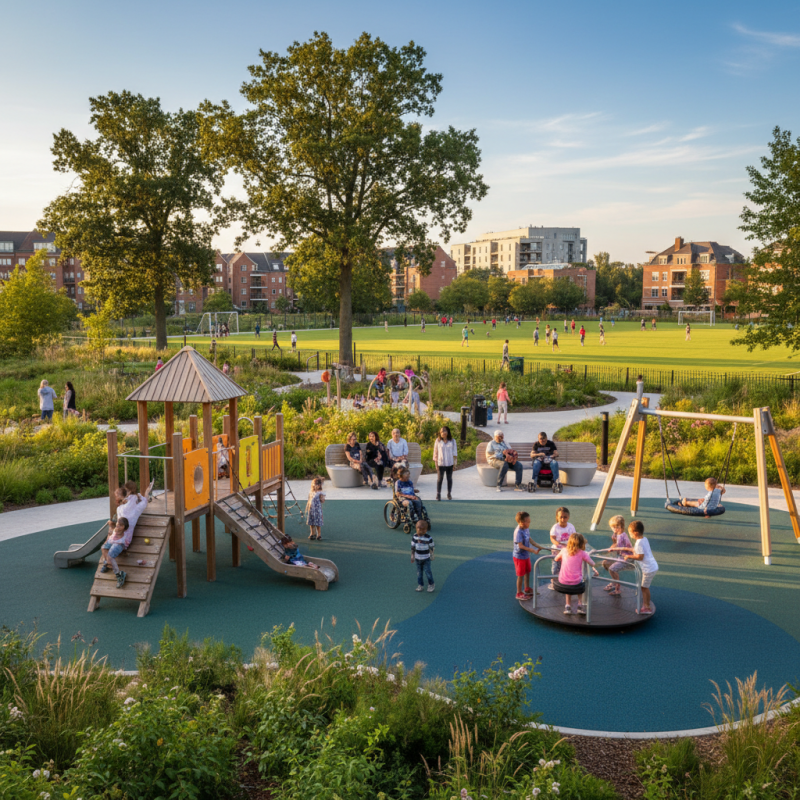
Benefits of Outdoor Playgrounds for Community Engagement
Outdoor playgrounds play a crucial role in enhancing community engagement. These spaces encourage social interaction and foster a sense of belonging. Research shows that parks and playgrounds can increase community cohesion by up to 25%. When children play together, they form friendships, and families bond, creating a vibrant community atmosphere.
Moreover, these playgrounds promote physical health. The Centers for Disease Control and Prevention notes that only 24% of children get the recommended level of exercise. Accessible outdoor play areas can encourage active lifestyles. They serve as a venue for organized sports and informal gatherings, enhancing community participation. Regular physical activity lowers the risks of obesity and related health problems, benefiting community members of all ages.
However, it's essential to recognize that not all playgrounds are created equal. Some may lack inclusive features, limiting access for children with disabilities. This can alienate families and hinder true community engagement. Attention must be paid to designs that accommodate everyone. Communities should seek input from residents to ensure new developments meet diverse needs. This approach not only strengthens bonds but also promotes inclusivity and equity in community planning.
Why Choose Outdoor Playgrounds for Your Community Development? - Benefits of Outdoor Playgrounds for Community Engagement
| Benefit |
Description |
Impact on Community |
| Social Interaction |
Encourages families and children to meet and play together. |
Fosters a sense of community and belonging. |
| Physical Activity |
Promotes active play, helping combat childhood obesity. |
Improves overall community health and wellness. |
| Creative Play |
Provides spaces for imaginative and creative exploration. |
Encourages cognitive development among children. |
| Environmental Awareness |
Integrates natural elements into play areas. |
Promotes understanding of and respect for nature. |
| Community Pride |
Enhanced spaces serve as a point of pride for residents. |
Encourages investment in the community’s growth and maintenance. |
Enhancing Child Development Through Outdoor Play Experiences
Outdoor playgrounds are essential for child development. They provide a unique space for children to explore, interact, and grow. These natural environments encourage imaginative play. Kids can climb, run, and engage with peers, developing muscular strength and coordination.
Outdoor play also supports emotional well-being. Children learn to navigate challenges. They face fears when climbing or swinging high. This builds resilience. With every fall, they learn to get back up. Such experiences foster confidence and social skills.
Some may argue that structured play is more beneficial. However, unstructured outdoor play allows freedom. It nurtures creativity and innovative thinking. Still, not all playgrounds are equal. Community planners must consider safety and accessibility. A well-designed playground can transform community spaces into nurturing environments for our future generations.
Promoting Physical Health and Well-Being in Local Communities
Outdoor playgrounds play a vital role in promoting physical health and well-being in local communities. They provide safe spaces for children and families to engage in physical activities. Regular play improves fitness levels, reduces obesity risks, and boosts mental health. When communities invest in outdoor playgrounds, they create environments that foster healthy habits from an early age.
Tips for Community Leaders: Engage with local families to understand their needs. Design playgrounds that cater to various age groups and abilities. Consider incorporating fitness areas for adults, allowing everyone to benefit from shared spaces.
However, not all playgrounds are equally effective. Some may lack adequate safety features or maintenance. Regular assessments can help identify areas for improvement.
Encourage community involvement in upkeep to ensure the playground remains inviting and functional. Building a sense of ownership can enhance long-term commitment to community health.
Fostering Social Interaction and Community Bonds in Neighborhoods
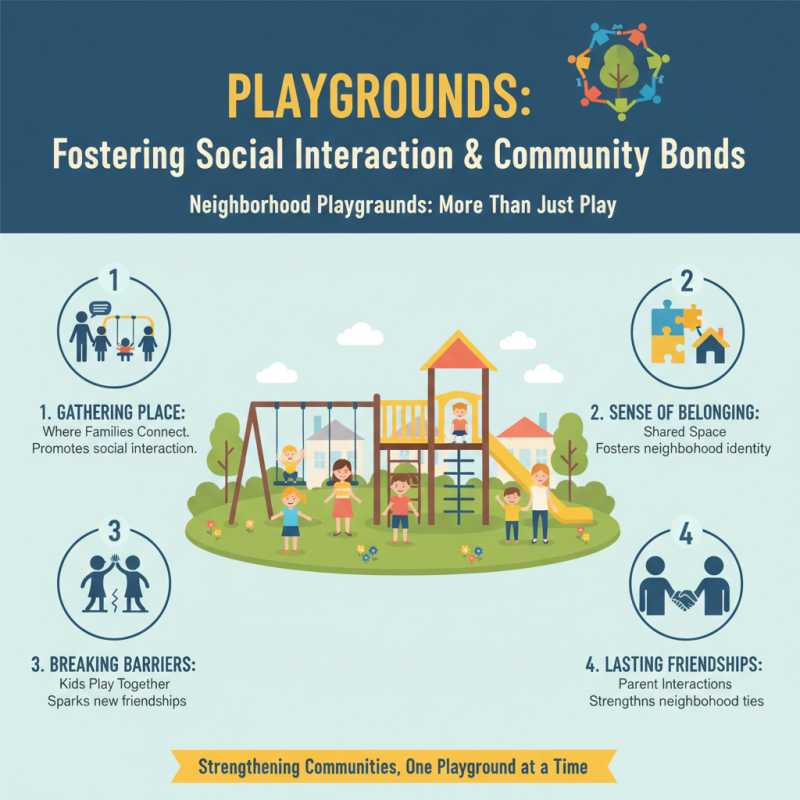
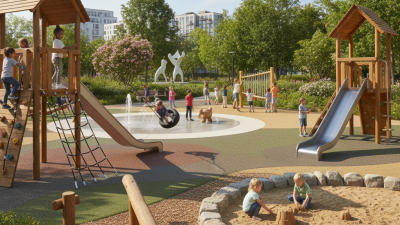
Outdoor playgrounds are vital for community development. They serve as a gathering place, promoting social interactions among residents. This setting allows families to meet and engage, fostering a sense of belonging. Kids playing together breaks down barriers. Parents often begin conversations while watching their children. These interactions can lead to lasting friendships and stronger neighborhood ties.
Tip: Involving local families in playground design is crucial. Gather input through surveys or community meetings. This makes the space more relevant and welcoming.
Moreover, playgrounds encourage diverse activities. They attract individuals of all ages. An adult fitness area can run alongside a children's section. Such multi-use spaces cater to everyone and build community spirit. However, usage may fluctuate based on season or weather. It’s an ongoing effort to keep the area vibrant.
Tip: Schedule regular community events. Host workshops or weekend gatherings. This keeps residents engaged and invested in the playground’s upkeep.
Creating and maintaining an outdoor playground requires reflection. Are you accommodating everyone’s needs? Are you addressing safety concerns effectively? The answers can shape a more inclusive community. Over time, these interactions deepen relationships and enhance neighborhood bonds.
Environmental Considerations and Safety in Playground Design
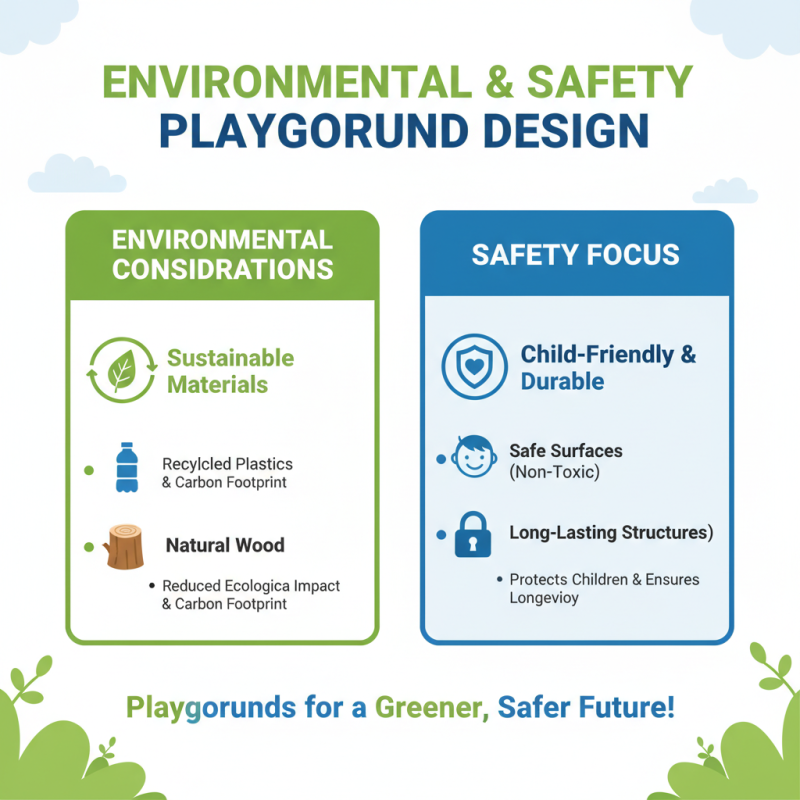
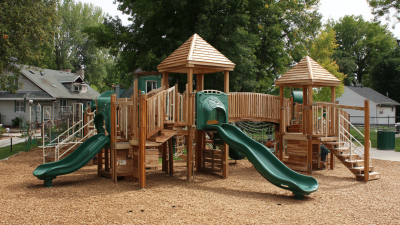
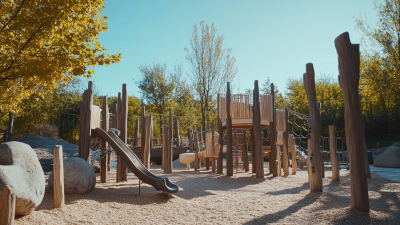
When designing outdoor playgrounds, environmental considerations are crucial. Using sustainable materials can significantly reduce the ecological impact. Recycled plastics and natural wood are excellent choices. They not only enhance the playground’s aesthetic but also ensure longevity. These materials are safe for children and leave a smaller carbon footprint.
Safety is paramount in playground design. Adequate surfacing is necessary to cushion falls. Options like rubber mulch or engineered wood fiber provide excellent shock absorption. Regular inspections can help identify potential hazards like sharp edges or loose components. Engaging the community in these processes fosters a safer environment. It encourages shared responsibility, which can lead to more vigilant maintenance.
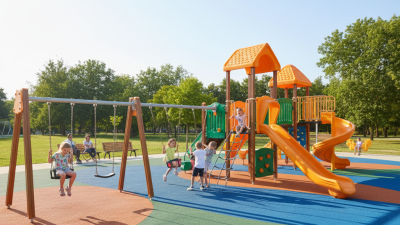
Playgrounds also need to be inclusive. Accessible designs allow all children to play together. Including ramps and adaptive swings ensures everyone can participate. Yet, it’s essential to evaluate how spaces are used. Observations can reveal areas needing improvement. Safety and environmental factors should guide decisions, but they must adapt to real-world interactions. Balancing these elements is an ongoing challenge, but essential for development.


 CONTACT NUMBER
 CONTACT NUMBER
 CONTACT NUMBER