10 Best Playground Outdoor Equipment for Fun and Safety in Any Yard?
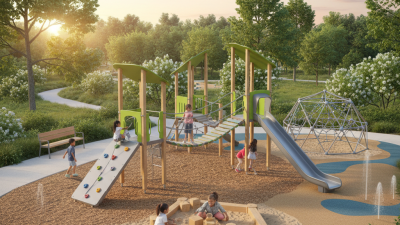
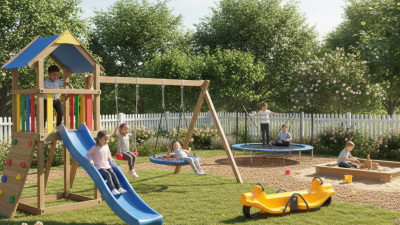
Creating a safe and enjoyable play environment is essential for children. Choosing the right Playground Outdoor Equipment can greatly enhance outdoor fun. Parents often feel overwhelmed by the vast options available. They want to provide the best for their kids while ensuring safety.
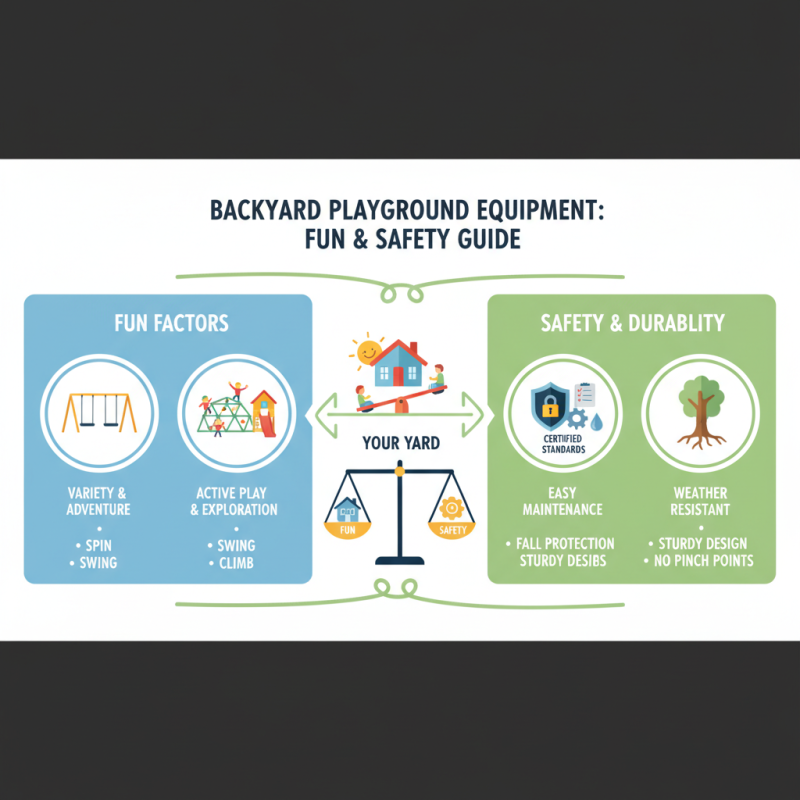
There are key factors to consider when selecting equipment. Durability is crucial; it affects how long the equipment lasts. Easy maintenance is also important, as wear and tear are inevitable. Additionally, safety features must meet high standards. Kids need a space where they can play freely without risks.
Not all equipment is suitable for every yard. Space constraints and terrain types can limit choices. However, a variety of innovative designs exist. These can fit snugly in smaller spaces while still providing enjoyment. When investing in Playground Outdoor Equipment, the balance of fun and safety should be the priority. With informed choices, parents can create a backyard paradise for their children.
The Importance of Safety Standards in Playground Equipment Design
Playground equipment must prioritize safety. Children play hard, and they deserve protection from potential hazards. Safety standards are crucial for manufacturers. These guidelines ensure that every piece of equipment can withstand robust use. Materials should be non-toxic and durable. Design aspects, like smooth edges and secure fastenings, are vital. Proper installation also plays a significant role in safety.
Regular maintenance is another essential factor. Equipment can wear over time. Regular checks can identify wear and tear before they lead to accidents. Parents should be aware of safety certifications, which indicate that products meet specific safety requirements. Educating caregivers about safe play behavior is necessary too. Even the safest equipment requires supervision.
Incorporating safety into design does not mean compromising fun. Quality equipment encourages creativity and social interaction. The balance between enjoyment and protection can be achieved. Safety measures should be visible, allowing children to feel secure while exploring. Ultimately, a safe play environment promotes healthy development. It fosters confidence and imaginative play, which are essential for growth.
10 Best Playground Outdoor Equipment for Fun and Safety in Any Yard
| Equipment Type |
Age Group |
Material |
Safety Certification |
Recommended Usage |
| Swing Set |
2 - 12 years |
Wooden Frame |
ASTM |
Backyard use |
| Slide |
3 - 10 years |
Plastic |
CPSIA |
Playgrounds |
| Climbing Frame |
5 - 12 years |
Metal |
EN 1176 |
Supervised parks |
| Sandpit |
1 - 6 years |
Wood |
CPSIA |
Backyard or park |
| Playhouse |
2 - 8 years |
Plastic/Wood |
ASTM |
Backyard |
| Seesaw |
3 - 10 years |
Metal |
EN 1176 |
Public parks |
| Balance Beam |
4 - 10 years |
Wood |
CPSIA |
Home or gym |
| Trampoline |
6 - 14 years |
Metal |
ASTM |
Supervised areas |
| Monkey Bars |
6 - 12 years |
Metal |
EN 1176 |
Park or school |
| Zip Line |
8 - 14 years |
Metal |
ASTM |
Large yards only |
Key Features of Durable Outdoor Playground Equipment for Longevity
When selecting outdoor playground equipment, durability is crucial for ensuring longevity. Look for materials that resist harsh weather conditions. Metal equipment should be rust-resistant to withstand rain and snow. Plastic components must be UV-stabilized to prevent fading and cracking. Each piece should undergo rigorous testing to ensure it can endure years of play.
Safety is also a top priority. Ensure the equipment has rounded edges and non-slip surfaces. Features like safety mats can reduce the risk of falls. Regular maintenance checks are vital to spot any wear and tear early. Equipment that shows signs of wear may need to be repaired or replaced. Observing usage patterns can provide insights into how kids interact with the equipment, revealing areas that might need additional safety features.
Investing in quality outdoor playground equipment pays off. It creates a fun environment that keeps children engaged and active. However, be cautious of focusing solely on aesthetics. Sometimes, attractive designs may not hold up as well over time. Reflecting on user experiences can help identify the best options for your yard.
Durability Ratings of Outdoor Playground Equipment
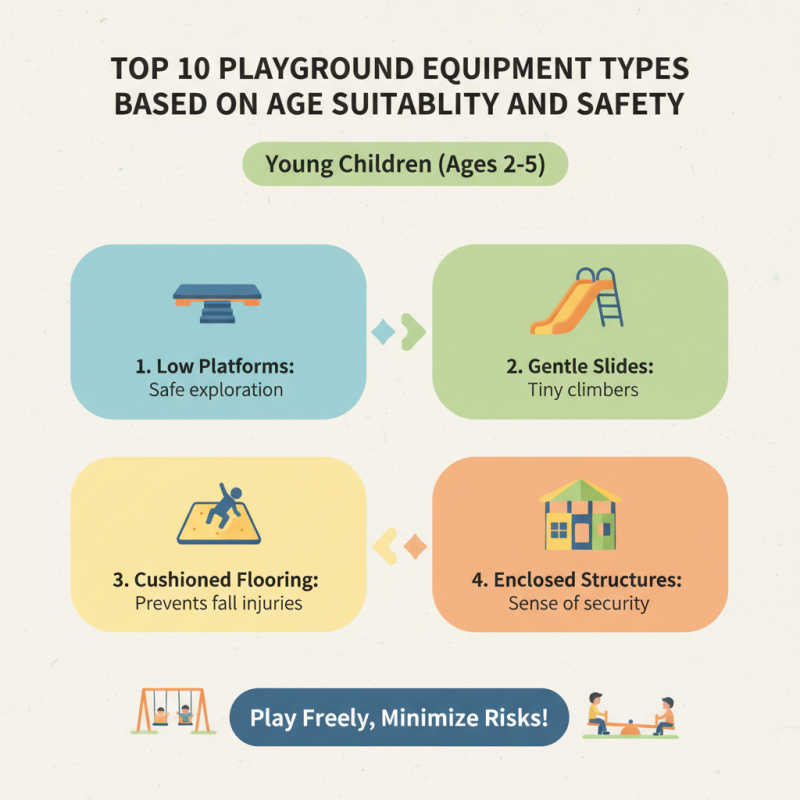
Top 10 Playground Equipment Types Based on Age Suitability and Safety
When selecting playground equipment, age suitability and safety are paramount. Young children, ages 2-5, need features that promote safe exploration. Low platforms and gentle slides are ideal for tiny climbers. Equipment should be cushioned to prevent injuries from falls. Enclosed structures provide a sense of security. These elements let little ones play freely while minimizing risks.
For kids aged 5-12, the range of equipment expands. They can handle more complex structures, like climbing walls and monkey bars. This age group seeks thrilling experiences. Safety measures, such as padded flooring and secure railings, remain critical. Spacing between equipment should prevent collisions. Customizable setups allow families to adapt as children grow.
Older kids, from 12 and above, often require more challenging features. Skate ramps or expansive play structures cater to their adventurous spirits. However, safety cannot be overlooked. Parents should always assess the sturdiness and design. Continuous observation helps ensure safe play. Play environments should be engaging but must prioritize well-being. Each age group presents unique needs and risks, making careful consideration essential.
Trends in Eco-Friendly Materials for Outdoor Play Structures
Eco-friendly materials are revolutionizing outdoor play structures. Parents are becoming more conscious of their environmental impact. Traditional plastics and treated woods can leach harmful chemicals. Eco-friendly options often use recycled materials or sustainable sources, ensuring safety for children.
When selecting equipment, prioritize structures made from recycled plastics or responsibly sourced wood. These materials can withstand various weather conditions. They also reduce the carbon footprint associated with playgrounds. Natural finishes, like organic oils, provide protection without harmful additives.
Here are some tips for choosing safe and fun outdoor equipment. Look for playgrounds with smooth edges and sturdy bases. Ensure that the designs feature bright colors, as they capture children's attention without toxic paints. Regularly inspect the structures for wear and tear. Repair any damaged parts to maintain safety. Always involve children in choosing the equipment to foster their interest. They will appreciate having a say in their play environment.
Benefits of Inclusive Playground Equipment for Child Development and Social Skills
Inclusive playground equipment plays a vital role in child development and social skills. Research shows that children with disabilities gain confidence when they play alongside their peers. The National Center on Accessibility notes that inclusive play areas allow all children to engage and interact together. Such environments foster empathy and understanding among children of various abilities.
Socialization is enhanced in these playgrounds. A study by the U.S. Access Board revealed that inclusive play promotes diverse interactions. Children learn to communicate and cooperate while overcoming challenges. For example, various heights and tactile features invite exploration for all. This engagement can reduce feelings of isolation in children with disabilities. Yet, not all playgrounds are equipped to facilitate these interactions.
Safety and enjoyment should go hand in hand. An inclusive playground design must consider the safety of all users. Regular assessments help ensure equipment meets safety standards. A report from the American Journal of Preventive Medicine highlights that safe, well-designed play spaces encourage children to explore freely. Yet, proper maintenance is often overlooked, leading to potential hazards. Creating truly inclusive spaces requires ongoing reflection and commitment to improvement.


 CONTACT NUMBER
 CONTACT NUMBER
 CONTACT NUMBER