How to Choose the Best Indoor Mall Playground for Kids?
Choosing the right Indoor Mall Playground for kids can significantly impact their development. A well-designed playground enhances social skills, encourages physical activity, and sparks creativity. According to a recent report from the National Association for the Education of Young Children, nearly 70% of parents prefer indoor play areas due to safety and convenience.
Expert Dr. Emily Curtis, a renowned child development specialist, emphasizes, “An engaging indoor environment fosters essential skills that children need for lifelong success.” Parents should look for features that cater to various age groups, promoting inclusive play. Safety reviews and parental feedback play crucial roles in decision-making.
While many options exist, not all playgrounds meet safety standards. Consider the space, equipment quality, and cleanliness. Reflecting on personal preferences and children's responses is key to making the best choice. Finding the ideal Indoor Mall Playground can be a rewarding journey for both children and their caregivers.
Understand the Age Appropriateness of Indoor Mall Playgrounds
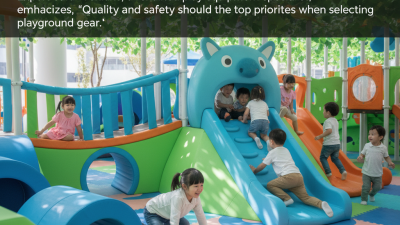
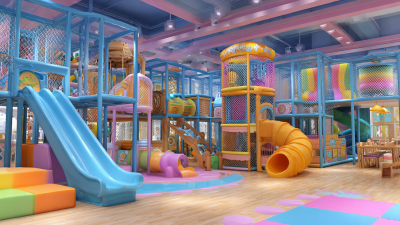
When selecting an indoor mall playground, age appropriateness is crucial. Different age groups have distinct play needs. For younger children, soft play areas are ideal. These spaces often feature cushioned equipment that prevents injuries. Look for small slides, climbing structures, and sensory play zones. These components help develop motor skills while ensuring safety.
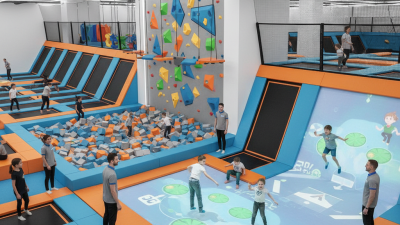
For older kids, more challenging equipment is necessary. Higher slides and climbing walls provide excitement and encourage physical activity. However, make sure the playground has clear age separation. This prevents younger children from getting overwhelmed or hurt. Many facilities post age recommendations, which can guide parents effectively.
Consider the overall safety and cleanliness of the playground. Well-maintained equipment reflects management's attention to child safety. However, don't hesitate to voice concerns if you notice wear and tear. It’s essential to ensure your child plays in a safe environment. Remember, a fun play experience hinges on safety and age-appropriate design.
Evaluate Safety Features and Standards of Play Equipment
When choosing an indoor mall playground, safety should be your priority. Parents need to examine the safety features of the play equipment carefully. Look for age-appropriate designs. This reduces the risk of injury. Cushioning mats and soft barriers can protect children from falls. Check if the equipment is made from non-toxic materials too. It’s vital for children's health.
Standards of play equipment often vary. Research local regulations regarding safety. Many regions have guidelines for indoor playgrounds. They must meet specific safety requirements to ensure minimal risk. Regular maintenance and inspections are key. Ask about how often the equipment is checked for wear and tear.
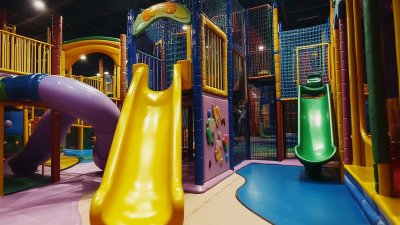
Don't overlook the layout of the playground. Safe spacing between equipment is essential. Crowded areas can lead to accidents. Be wary of sharp edges or protruding parts. If kids are running around, potential hazards increase. Encourage open communication with staff about safety concerns. A transparent approach promotes a safer environment for everyone.
Consider the Variety and Quality of Activities Offered
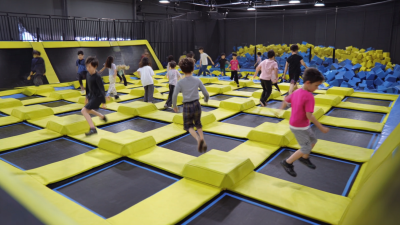
When choosing an indoor mall playground, assessing activities is essential. Kids thrive when engaged in diverse play options. Look for areas that encourage both physical and imaginative play. For instance, climbing structures paired with soft play zones create a balanced environment. Children should have freedom to explore while also encountering challenges.
The quality of activities also counts significantly. Ensure that play equipment is safe and age-appropriate. Check for reliable safety standards. Sometimes, fun-looking structures may not meet these guidelines. Look for details that enhance the experience, like interactive games or sensory play areas. These elements keep children entertained for longer periods.
It’s not just about variety or safety; accessibility matters too. Consider how well children of different abilities can navigate the space. Sometimes, popular play areas overlook inclusivity. Reflect on the overall layout: Are there areas where children can relax? A good indoor playground offers more than just fun; it should cater to all aspects of play.
Check Accessibility and Location within the Mall
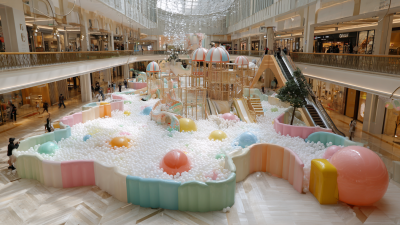
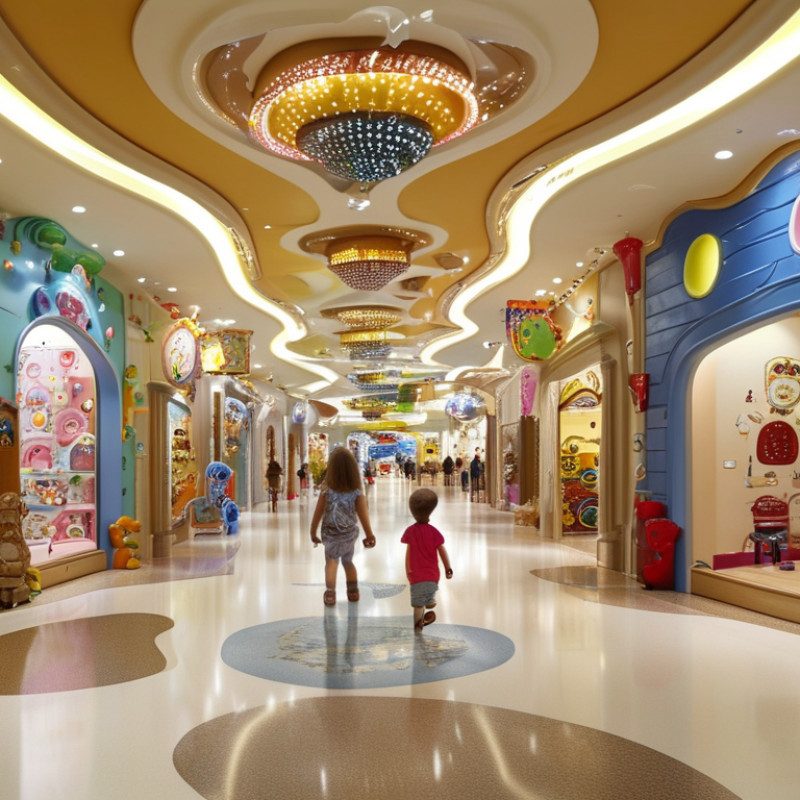
When selecting an indoor mall playground, accessibility and location are critical factors. Consider how easy it is to reach the playground from different entrances. Is it close to the main food court or restroom facilities? Parents with strollers or toddlers should find routes that are clear and wide.
One might overlook parking options, but it's essential. Check if the mall has family-friendly parking spaces. Are they close to the playground? Also, verify if the playground is on a level that avoids unnecessary stairs or complicated escalators. Think about safety as well. A location near emergency exits can be important for peace of mind.
The playground's proximity to other kid-friendly areas can enhance your experience. If there are shops nearby that cater to children's interests, it can make for a fulfilling day. However, crowded areas can be overwhelming. Reflect on the layout to minimize wait times and foot traffic. This can influence your child's enjoyment. The right location can make all the difference in creating a fun day out.
How to Choose the Best Indoor Mall Playground for Kids? - Check Accessibility and Location within the Mall
| Playground Name |
Location in Mall |
Accessibility Features |
Suitable Age Group |
Safety Features |
| FunZone |
Near Food Court |
Wheelchair Accessible, Ramps |
Ages 2-10 |
Soft Padding, Supervised Play |
| Jungle Gym |
Main Level |
Elevator Access |
Ages 3-12 |
Safety Nets, Padding |
| Adventure Land |
Second Floor |
Stroller-Friendly, Ramps |
Ages 1-8 |
Cameras for Monitoring, Soft Surfaces |
| Kids Playhouse |
Near Main Entrance |
Accessible Restrooms, Easy Access |
Ages 2-6 |
Non-Toxic Materials, Supervised Areas |
Review Parent Facilities and Amenities for Comfort
When selecting an indoor mall playground, parents should prioritize facilities and amenities that ensure comfort. Research indicates that over 70% of parents value cleanliness and comfort in play areas for their children. Not finding adequate seating can lead to stress. Parents often struggle to find appropriate places to relax while supervising their kids, which adds to their overall experience.
Look for playgrounds that provide family-friendly amenities, such as nursing rooms and changing facilities. A report from the International Council of Shopping Centers highlights that 65% of shoppers consider these amenities essential. Access to Wi-Fi is also a plus, as many parents prefer to stay connected while their children play. Parents want the playground to be safe, but they also appreciate a space where they can unwind nearby.
It's crucial to reflect on whether the space is designed not just for kids, but for parents too. A cluttered or noisy environment can detract from the experience. Observing how the layout accommodates both play and relaxation can offer insights into its overall effectiveness. While vibrant colors and fun structures attract kids, how these spaces meet parent needs is equally important.


 CONTACT NUMBER
 CONTACT NUMBER
 CONTACT NUMBER