How to Choose the Best Indoor Commercial Playground Equipment?
Choosing the best indoor commercial playground equipment is crucial for creating a safe and engaging space for children. Industry expert John Adams, a leading designer of recreational spaces, emphasizes, "Quality equipment transforms play into a powerful learning experience." This statement underscores the importance of thoughtful selection.
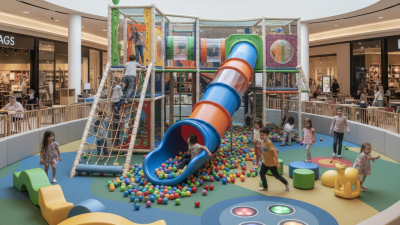
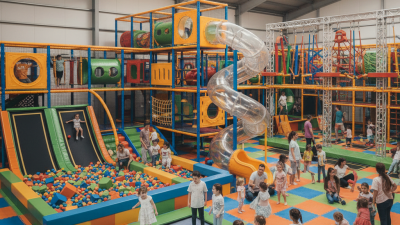
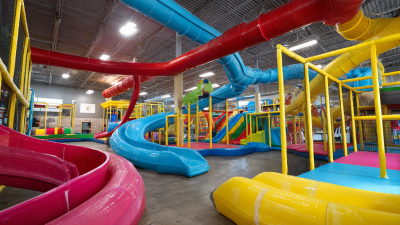
When selecting indoor commercial playground equipment, safety and engagement should be your primary focus. Look for features that promote active play, such as climbing structures and slides. Each component should encourage physical movement while ensuring the safety of children. Consider the materials used; they must be durable and non-toxic. Inadequate materials can lead to accidents and compromise learning through play.
Lastly, assess the age range for the equipment. Not all items suit every child. Tailoring play experiences to specific age groups fosters skill development. Reflecting on these elements ensures that your indoor commercial playground not only entertains but also educates. Balancing safety with fun and learning requires careful reflection and discernment.
Understanding the Importance of Indoor Commercial Playground Equipment
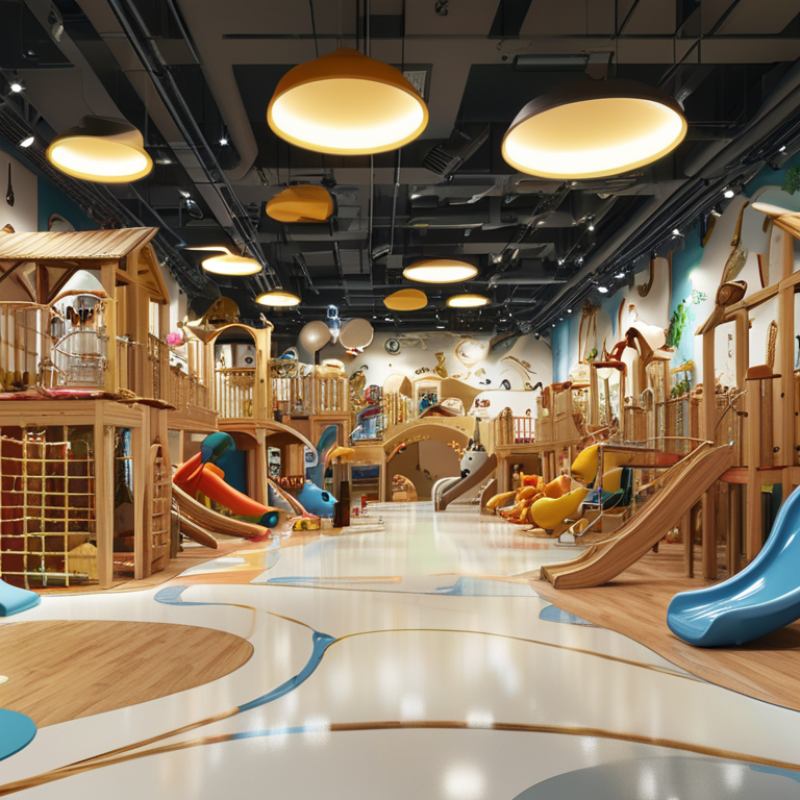
Indoor commercial playground equipment plays a vital role in child development. It provides a safe space for kids to explore and engage in physical activity. According to the International Playground Equipment Manufacturers Association, children need at least 60 minutes of active play every day. This is essential for their physical health and cognitive skills.
Choosing the right equipment can seem daunting. Proper research is crucial. Look for equipment that meets safety standards, such as ASTM and CPSC guidelines. This ensures durability and safety for the children who use it. Consider space availability; overcrowded areas limit movement and can lead to injuries.
Tips: Always prioritize multifaceted designs that encourage various activities. Incorporating climbing walls and slides fosters both physical strength and social interaction.
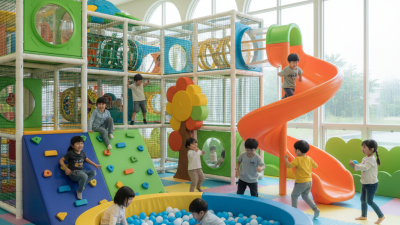
Also, keep in mind the variety of age groups that will use the equipment. A well-rounded selection caters to toddlers and older children. It promotes inclusivity and caters to different developmental needs. This ensures the playground remains relevant and engaging over time.
How to Choose the Best Indoor Commercial Playground Equipment?
| Equipment Type |
Age Group |
Safety Features |
Material |
Space Requirement |
Price Range |
| Climbing Structures |
2-12 years |
Soft edges, non-slip surfaces |
Metal and durable plastic |
200 sq ft |
$1,500 - $5,000 |
| Playhouses |
3-8 years |
Impact-absorbing surfaces |
Plastic |
100 sq ft |
$500 - $2,000 |
| Ball Pits |
1-6 years |
Mesh sides for visibility |
Vinyl and plastic |
50 sq ft |
$300 - $1,500 |
| Slides |
3-10 years |
Safety enclosures, anti-slip |
Plastic |
75 sq ft |
$1,000 - $4,000 |
| Interactive Games |
4-12 years |
Secure mounts and soft controls |
High-quality plastic |
60 sq ft |
$800 - $3,500 |
Identifying Safety Standards and Regulations for Playground Equipment
When selecting indoor commercial playground equipment,
safety standards and regulations are paramount. Compliance with recognized safety guidelines ensures children can play without unnecessary risks. Begin by familiarizing yourself with the Consumer Product Safety Commission (CPSC) guidelines. These standards outline critical safety features, such as equipment height limits and fall zones, reducing fall-related injuries.
Materials used in playground equipment must also meet specific safety criteria. Non-toxic, durable materials should be prioritized, as they can withstand wear and tear. Proper maintenance and regular inspections are crucial. Some equipment might appear safe at first glance, yet hidden defects could lead to accidents. Create a routine to check for loose bolts or worn-out surfaces.
Consulting with experienced professionals in playground design can enhance safety. Their expertise will help identify potential hazards you might overlook. They can provide insights into historical trends in playground failures. Learning from past mistakes can guide your decisions. Balancing fun and safety may be challenging, but it’s essential for creating a secure environment for children.
Evaluating Space Requirements for Indoor Playground Layout
When planning an indoor commercial playground, space requirements are crucial. Start by mapping out the area available. Measure the length and width of the space. Consider ceiling height, too; many playground structures need ample vertical space. This ensures children can safely climb and explore without risk of injury.
Pay attention to layout. Ensure there's enough room for movement around equipment. Leave clear pathways for supervision. You should avoid cramped designs that can feel overwhelming. Think about incorporating zones. Kid-friendly areas can mix fun and safety. Determine if you need separate spaces for different age groups. Each zone can be tailored to their energy levels and skills.
Consider the flow of traffic. Where will children enter and exit? How will they navigate between play areas? Visualize the kids' experience as they move through the playground. Regular feedback from users can help in refining your layout. Observe how kids interact with the space once it's operational. Adjustments may be necessary to enhance safety and enjoyment.
Indoor Commercial Playground Equipment Space Requirements
Selecting Age-Appropriate Equipment for Different Child Development Stages
Choosing indoor playground equipment requires careful consideration of children's developmental stages. Each age group has unique needs. For toddlers aged 1-3 years, safety is paramount. Equipment should have soft surfaces, low heights, and easy-to-grasp features. A report from the American Academy of Pediatrics highlights that children in this age range benefit from sensory play. Soft play structures encourage exploration and motor skill development.
Preschool children, aged 4-5 years, need more challenging activities to enhance physical skills. Climbing structures and slides promote gross motor development and coordination. According to the National Association for the Education of Young Children, children at this stage thrive with imaginative play. Spaces that allow role-playing foster creativity.
Tips: Ensure clear safety guidelines. Check for ASTM certification on equipment. Always supervise children during playtime. Reflect on the maintenance of equipment. Regular inspections prevent accidents and breakdowns, promoting a safer environment for active play.
Analyzing Maintenance and Durability Factors in Playground Equipment Choices
When selecting indoor commercial playground equipment, maintenance and durability play vital roles. According to a report by the International Playground Equipment Manufacturers Association, nearly 30% of playground equipment failures stem from poor maintenance practices. This statistic emphasizes the need for durability in both materials and design. High-quality materials often reduce the frequency of repairs and part replacements.
Choosing equipment made of steel or high-density polyethylene can significantly impact longevity. Steel components resist wear and tear from constant use. High-density polyethylene is not only weather-resistant but also easier to clean. However, there's a challenge: all materials require regular inspections and cleaning. Failing to establish a systematic maintenance routine can lead to safety hazards.
Additionally, consider the manufacturer's recommendations on maintenance frequency. Some equipment may seem durable but can deteriorate more quickly without proper care. A study from the National Association of State Public Health Nutritionists found that visual inspections of playgrounds should occur monthly, but only 40% of facilities performed them regularly. This gap indicates that relying solely on equipment's durability isn't enough. Regular maintenance checks are essential for ensuring a safe and enjoyable environment for children.


 CONTACT NUMBER
 CONTACT NUMBER
 CONTACT NUMBER