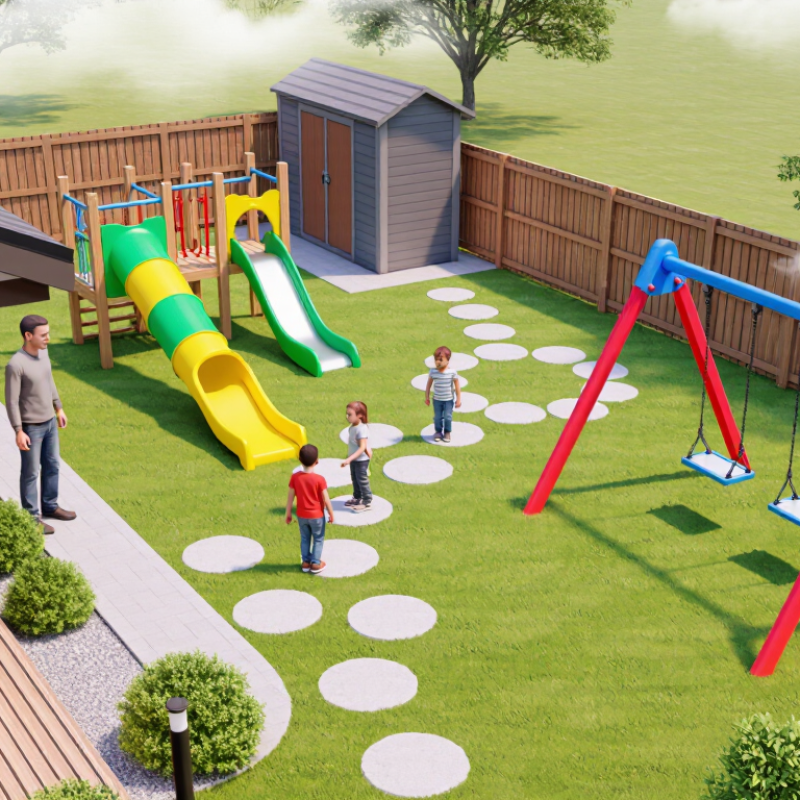
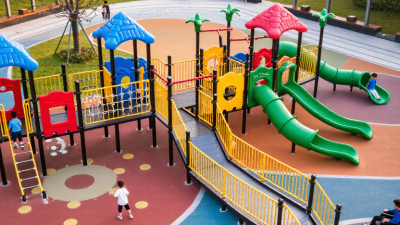
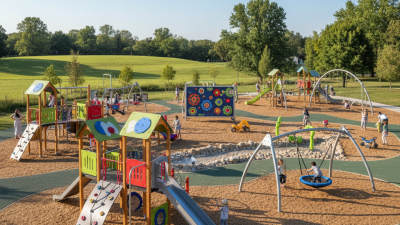
Choosing Outdoor Playing Equipment is not just a matter of picking the brightest slide or tallest climbing frame. The right choice depends on who will use it, how much space is available, and how the equipment will stand up to regular play and changing weather. A small yard with a level surface calls for different planning than a shared play area. Measure the space, including room around each item for children to move safely. Check the manufacturer’s age guidance, installation instructions, and recommended clearances. Look closely at materials, edges, fasteners, and weight limits. Small details matter.
Think about how children actually play. A swing may invite repeated movement, while stepping stones encourage balance and imaginative games. For a younger child, simple access and low platforms can matter more than elaborate features. Ask whether adults can see the play area clearly and whether the equipment can be inspected without special tools. A product description can help, but it cannot replace checking the setup and surface in person. Follow the manufacturer’s care guidance, and inspect frequently for loose parts, splinters, rust, or worn connections. No checklist catches everything.
It is easy to focus on the purchase and forget the years of upkeep. Be realistic about cleaning, repairs, and available storage for removable parts. Compare options calmly, and revisit your assumptions as children grow. The best choice is not always the biggest one. It should fit the space, suit its users, and make everyday play feel inviting.
Choose equipment for the children who will use it, not an imagined average child. Toddlers benefit from low platforms, short slides, small handholds, and clear caregiver sightlines. Older children may want height, speed, and cooperative challenges. Age helps, but it is not the whole picture. Balance, confidence, sensory preferences, and mobility differ from child to child.
The U.S. Consumer Product Safety Commission’s Public Playground Safety Handbook reports that falls cause about 80% of playground injuries. That makes safe landing areas and impact-absorbing surfacing essential when selecting equipment heights and layouts. Consider accessible routes and play features children can use together. A ramp alone is not inclusion; children also need meaningful ways to reach and enjoy the activity.
Think about who comes and when: preschool groups, siblings, and weekend crowds create different demands. Ask children and caregivers what feels inviting, then observe how people move through a sample layout. Plans can look inclusive on paper. Real use may reveal awkward turns, long waits, or a platform that feels too high. Adjusting the design after observation takes extra effort, but guessing can miss the users’ actual needs.
Before choosing outdoor play equipment, measure the usable area rather than the whole yard. Note fences, trees, paths, doors, and underground features that may limit installation. Leave clear space around moving parts, such as swings, and check the equipment’s required fall zone. A tape measure and a simple site sketch can prevent costly surprises. Small details matter.
The ground surface affects both safety and upkeep. Grass may wear thin in busy areas, while loose-fill materials can shift after rain or heavy use. Choose a surface suited to the equipment’s fall height, and confirm that it can be installed and maintained correctly. Check drainage, too. Puddles near posts can soften the ground and make the area slippery. A surface that looks level in dry weather may behave differently after a storm.
Consider local conditions throughout the year. Strong sun can heat exposed slides and fade materials; shade patterns change as trees grow. Wind may make tall equipment less suitable in open yards, while coastal air can speed corrosion. Look for durable, weather-appropriate materials, but inspect them periodically. One planning error is judging the site on a pleasant afternoon. Revisit it after rain and during the hottest part of the day, when drainage, shade, and surface temperature are easier to assess.
| Assessment factor | What to check | How it affects equipment choice | Practical action |
|---|---|---|---|
| Usable space and layout | Measure the level, usable area and note boundaries, paths, trees, fences, walls and other fixed obstacles. | Available space limits equipment size and the room needed around moving or elevated play features. | Draw a site plan and check the selected equipment’s required clearances against local regulations and manufacturer guidance. |
| Fall height and safety surfacing | Identify the equipment’s maximum fall height and whether the ground is firm, loose, level or prone to erosion. | Surfacing needs to be suitable for the equipment’s fall height; hard surfaces such as concrete and asphalt are generally not appropriate beneath play equipment. | Choose and maintain impact-attenuating surfacing in line with applicable safety standards. Verify depth, coverage and accessibility requirements for the chosen surface. |
| Drainage and ground conditions | Look for standing water, soft ground, steep slopes, runoff routes and areas that become muddy after rain. | Poor drainage can make play areas unusable, displace loose-fill surfacing and affect foundations or anchoring. | Assess drainage before installation; plan grading or drainage improvements where needed and confirm that foundations suit the site. |
| Sun, shade and heat | Track direct sun and shade through the day, and consider how exposed surfaces may heat up in warm weather. | Long periods of direct sun can increase heat exposure on equipment and surfacing, while shade can improve comfort. | Consider existing tree cover or suitable shade structures. Check surface temperatures during hot weather and follow relevant safety guidance. |
| Weather and local climate | Consider typical rainfall, humidity, freeze-thaw cycles, strong winds and exposure to coastal air or intense sunlight. | Weather exposure influences material durability, corrosion risk, surface performance and ongoing maintenance needs. | Select materials and finishes rated for the local conditions, and establish a routine inspection and maintenance schedule. |
| Visibility and supervision | Check sightlines from seating areas, entrances and common supervision points; note vegetation or structures that block views. | Equipment placement and layout can affect how easily caregivers or supervisors can see children using the area. | Arrange activity zones to preserve clear sightlines and keep access routes visible and unobstructed. |
| Access and inclusive use | Review entrance routes, path width, changes in level and connections between the play area and equipment. | Accessible routes and thoughtfully selected play features can make the space usable by a wider range of children and caregivers. | Plan firm, stable routes and consult applicable accessibility requirements when selecting surfacing and equipment. |
| Maintenance and long-term use | Consider who will inspect the area, replenish or repair the surfacing, and maintain equipment and surrounding landscaping. | Maintenance demands vary by equipment, surface type, climate and level of use. | Choose options that fit the available maintenance resources and follow inspection schedules and instructions for the installed equipment and surfacing. |

Before installation, confirm site-specific requirements with qualified playground professionals and the safety and accessibility standards that apply in your location.
Choose equipment by the play it invites and the people who will use it. Swings and climbing frames encourage movement; ground-level panels support quieter, social play. Start with the site. Measure shade, drainage, sightlines, and fall zones before selecting a layout. The U.S. Consumer Product Safety Commission’s 2010 Public Playground Safety Handbook reported about 200,000 emergency-department-treated playground injuries annually during 2001–2008, with falls a major cause. That figure is historical, but it makes surfacing and equipment spacing practical priorities.
Materials shape upkeep. Galvanized steel can suit high-use structures, while molded plastic panels offer smooth, colorful play surfaces. Timber feels natural, yet needs regular checks for splinters, cracks, and moisture damage. No material is maintenance-free. Ask suppliers for inspection schedules, replacement-part availability, and surface-temperature guidance; dark surfaces can become uncomfortable in direct sun. This detail is easy to overlook.
Accessibility needs more than a ramp. The U.S. Access Board’s play-area guidance describes accessible routes connecting play components, plus transfer systems or ground-level activities for varied abilities. Include firm, stable paths, reachable controls, and spaces where mobility devices can turn or pause. Add sensory panels near quieter seating, not only beside noisy equipment. Small details count. Walk the planned route at child height and adult height; a drawing can miss awkward edges, crowded entrances, or controls that sit just out of reach.
These U.S. ADA 2010 Standards dimensions can help when planning routes between play areas and space for wheelchair maneuvering. A passing space is required at specified intervals when an accessible route is less than 60 inches wide. Check applicable standards and site conditions when designing a playground.
Before choosing outdoor playing equipment, check which safety standards apply in your area and whether the product has been independently tested. Look for clear guidance on age ranges, user capacity, fall zones, and acceptable surfacing. A certificate is useful, but it does not replace careful inspection. Check for pinch points, sharp edges, splinters, and gaps where clothing or fingers could catch. Small details matter. If instructions are vague, ask the supplier for written clarification before purchase. Measure the available space, including the area children need to move safely around the equipment.
Installation requirements can affect both safety and cost. Confirm whether the equipment needs concrete footings, ground anchors, or a specific surface beneath it. Check soil conditions and drainage; a low spot that collects rain can weaken the surrounding ground over time. Follow the assembly instructions closely, and use a qualified installer when the work exceeds your experience. I have seen people underestimate this part. It is easy to focus on the play structure and overlook access for repairs. Set a maintenance schedule for tightening bolts, checking ropes and chains, and inspecting surfaces for cracks or wear. Keep simple records, and close the equipment if a serious defect appears. Regular checks take time, but missed wear can become a hazard.
Choosing outdoor play equipment starts with a budget that covers more than the purchase price. Set a firm spending limit, then include delivery, installation, anchoring, and any safety surfacing the equipment requires. Plan for wear. Swings, climbing grips, and exposed fasteners may need replacement or regular attention. A cheaper set can cost more over time if parts are difficult to source. Leave a small reserve for repairs rather than spending every dollar upfront. Even a careful estimate can miss something, so check the full cost before ordering.
For long-term use, compare materials, construction, and maintenance needs. Look for sturdy frames, weather-resistant finishes, replaceable parts, and clear guidance on age and weight limits. Ask how often connections should be checked and what upkeep the maker recommends. A warranty is useful, but read what it covers and for how long. In a busy yard, choose equipment that suits the space and the children who will use it now, while allowing room for changing interests. Buying the largest set is not always the best value. It can crowd the yard and leave less room for active play. Revisit your budget and priorities before making the final choice.