Inquiry
Form loading...

What Is an Indoor Playground Trampoline?

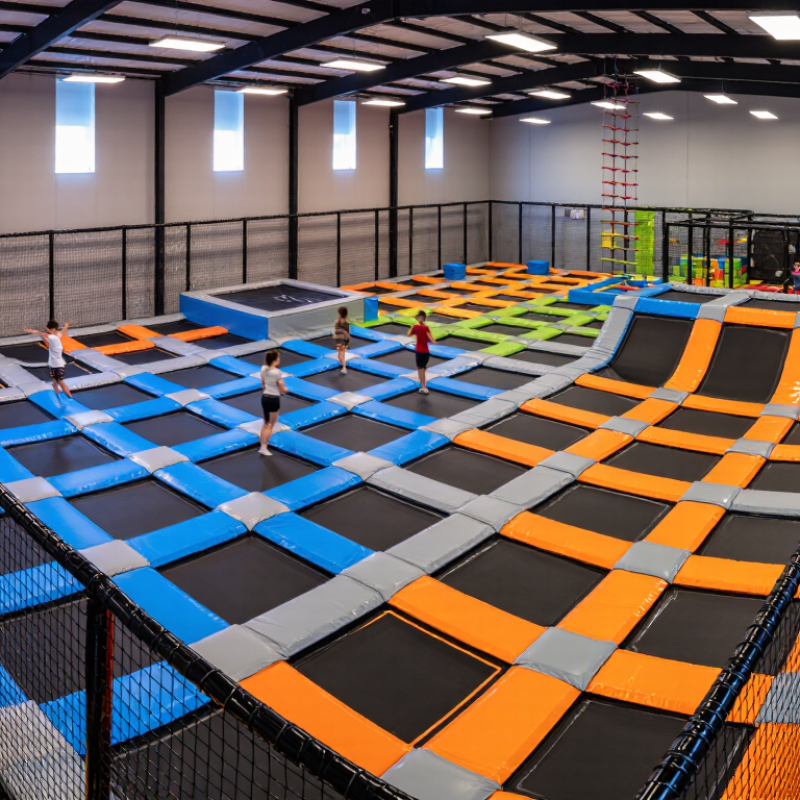
An Indoor Playground Trampoline is a commercial jumping structure designed for supervised play inside family entertainment centers, gyms, and activity parks. It usually combines interconnected trampoline beds, padded frames, safety netting, platforms, and access routes. Unlike a home trampoline, it supports repeated public use and serves several age groups. The design must consider movement, visibility, cleaning, inspection, and controlled capacity.

Industry data shows why this category deserves careful attention. Grand View Research’s Indoor Amusement Center Market report identifies indoor attractions as a growing leisure segment, supported by demand for weather-independent family activities. Statista Market Insights also tracks rising consumer spending on recreational experiences, although market estimates differ by region and definition. These reports describe opportunity, not automatic success. A crowded room can quickly become uncomfortable.

Professional guidance adds another layer. ASTM F2970 covers the design, manufacture, installation, operation, maintenance, and inspection of trampoline courts. IAAPA’s safety resources emphasize staff training, guest communication, routine checks, and clear operating procedures. In practice, a supervisor may watch a child land awkwardly, while another checks a loose edge pad before opening. Small details matter. Still, no standard can replace thoughtful daily management.

This article explains what an Indoor Playground Trampoline is, how its components work, and where it fits within modern indoor recreation. The term is not perfectly uniform across suppliers. Some products focus on open jumping, while others include dodgeball, foam pits, climbing elements, or obstacle features. That difference deserves attention. A reliable evaluation should examine structure, user flow, maintenance records, and evidence from qualified manufacturers—not only bright colors or impressive photographs.

What Is an Indoor Playground Trampoline?

Definition and Basic Structure of an Indoor Playground Trampoline

An indoor playground trampoline is a padded recreational jumping system installed inside a supervised play area. It combines elastic jumping surfaces, steel support frames, protective padding, and boundary netting. Unlike a home trampoline, it is designed for frequent public use and group movement. The structure may include connected beds, angled walls, platforms, and foam landing zones. Each section serves a different purpose.

The jumping bed is usually woven from durable material and attached to the frame with springs or flexible connectors. A steel frame carries the load, while thick pads cover hard edges and connection points. Net walls help keep children inside the active zone, but they cannot replace supervision. Many facilities separate areas by age, ability, or activity type to reduce collisions. Routine inspections often reveal loose padding first. Small gaps are easier to miss. That detail deserves attention.

Reliable operation depends on regular checks, careful cleaning, and documented maintenance. Staff should inspect stitching, springs, anchors, flooring, and net tension before opening. They also need clear entry rules and enough space between users. Professional guidance supports following equipment instructions and applicable local safety requirements. Still, a perfect checklist does not prevent every mistake. Children may jump unpredictably, and adults can overlook worn materials during busy hours. Design quality matters, yet trained supervision remains part of the trampoline’s basic structure in practice.

How Indoor Playground Trampolines Work

What Is an Indoor Playground Trampoline?

An indoor playground trampoline is a bouncing platform built into a supervised play area. It usually combines elastic mats, steel frames, protective padding, and safety netting. Some layouts connect several jumping squares. Others surround the mats with angled walls or foam-filled landing zones. The design keeps children active while reducing contact with hard surfaces.

How Indoor Playground Trampolines Work

When a child lands, the mat moves downward and stores energy through springs or flexible support bands. The system then releases that energy upward, creating the bounce. The frame distributes force across the structure, while padding covers exposed edges. Netting helps guide movement, although it cannot replace supervision. Regular inspections should check loose stitching, worn mats, exposed metal, and uneven tension. A practical review should also consider crowd size and age differences. These details affect how safely the equipment behaves.

The physics is simple. The supervision is not. A common mistake is focusing only on soft padding. Clear rules, controlled entry, and suitable spacing matter just as much. No trampoline design removes every risk, and routine checks may reveal problems that quick visual inspections miss. That point deserves honest attention.

Tips: Encourage one jumper per marked section when possible. Remove shoes, jewelry, and sharp objects. Teach children to land with bent knees. Stop play when the mat feels damaged or unusually loose. A trained attendant should monitor the area continuously.

What Is an Indoor Playground Trampoline? - How Indoor Playground Trampolines Work

Data Dimension Typical Information How It Works or Why It Matters
Definition A trampoline zone integrated into an indoor playground or family entertainment facility. It combines a springy jumping surface with surrounding play structures, padding, barriers, or activity areas.
Main Components Jumping mat, flexible support system, steel frame, protective padding, enclosure netting, and access platform. Each component works together to support repeated jumps, reduce contact with hard surfaces, and help keep users inside the intended activity area.
Energy Transfer A jumper’s downward motion is temporarily stored as elastic energy in the mat and support system. The stored energy is released upward, producing the rebound. Some energy is lost through material flexing, air resistance, and friction.
Jumping Surface Usually a woven, flexible mat designed to distribute impact across the surface. The mat deforms under load and returns toward its original position as the user leaves the surface.
Support Mechanism Common systems use metal springs or flexible elastic bands positioned around the perimeter. The support mechanism allows controlled vertical movement while transferring forces to the frame.
Typical Platform Height Approximately 0.3–1.5 metres above the finished floor, depending on the layout and activity type. Higher platforms require suitable access systems, guard protection, and impact-attenuating surfaces below and around them.
Typical Activity Area Often arranged as individual lanes, interconnected squares, angled trampolines, or a larger open jumping zone. Different layouts can support free jumping, movement games, climbing connections, or supervised skill activities.
Weight Capacity The permitted user weight is set by the facility or equipment supplier and may differ by zone. Capacity limits account for the mat, frame, support components, and the intended number of simultaneous users.
Impact Protection Protective padding and impact-attenuating flooring are placed around frames, posts, edges, and landing zones. Padding helps reduce the severity of accidental contact with structural parts, although it cannot eliminate injury risk.
Enclosure and Boundaries Safety netting, padded dividers, railings, or other barriers may separate the trampoline area from adjacent attractions. Boundaries help define movement zones and reduce the chance of entering restricted areas or colliding with nearby equipment.
Recommended User Control Facilities commonly control age groups, height, ability level, or the number of users in each section. Managing user groups and occupancy helps reduce collisions and keeps activities appropriate for different abilities.
Operating Rules Typical rules include one jumper per marked area, no rough play, no glass items, and no jumping when the zone is closed. Clear rules reduce interference between users and help prevent falls, collisions, and equipment misuse.
Inspection Points Operators should check mat stitching, springs or bands, frame connections, padding, netting, anchors, and floor conditions. Routine inspection can identify wear, loose parts, exposed edges, or damaged padding before the equipment is used.
Cleaning and Hygiene High-touch surfaces and shared padding should be cleaned according to the facility’s documented schedule and product instructions. Regular cleaning helps control dirt and microorganisms in a high-contact indoor environment.
Core Safety Principle A trampoline is an active-use attraction, not a risk-free surface. Following posted rules, using suitable protective features, maintaining the equipment, and providing appropriate supervision are essential for safer operation.

Note: Dimensions, capacity limits, materials, and operating procedures vary by installation. The facility’s posted instructions and applicable local safety requirements take precedence.

Common Types and Design Features

What Is an Indoor Playground Trampoline?

Common Types and Design Features

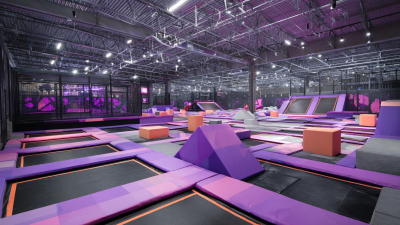
An indoor playground trampoline combines elastic jumping surfaces with climbing, sliding, and soft-play zones. Common layouts include open-jump courts, toddler trampolines, foam pits, airbag landings, and obstacle courses. Each type serves a different age group and movement pattern.

Open-jump areas need clear boundaries and generous spacing. Toddler zones usually use lower platforms, smaller beds, and softer barriers. Obstacle courses add balance beams, ramps, climbing walls, and timed challenges. Foam pits look forgiving, but they still require controlled entry and regular depth checks. ASTM F2970 guidance highlights the importance of structural inspection, padding, and operational procedures for trampoline courts.

Good design depends on visibility. Staff should see most landing areas without hidden corners. Netting, edge padding, slip-resistant flooring, and separated age zones reduce avoidable conflicts.

The U.S. Consumer Product Safety Commission reports roughly 200,000 playground injuries requiring emergency treatment each year, with falls among the leading causes. That figure is not trampoline-specific, but it should shape risk planning.

Grand View Research’s 2024 indoor amusement center analysis also forecasts strong market growth through 2030, increasing pressure for efficient layouts and higher visitor capacity.

Capacity calculations can be imperfect. A crowded court may feel exciting, yet movement quality drops quickly. Designers should leave wider circulation paths, mark one-way routes, and inspect anchor points daily. Cleaning schedules matter too. Sweat, dust, and loose foam pieces can change traction and visibility.

Safety Standards and Supervision Requirements

What Is an Indoor Playground Trampoline?

An indoor playground trampoline is a spring-based jumping area inside a recreational facility. Its safety depends on more than thick padding. Operators should follow applicable national standards, local requirements, and equipment instructions. These rules commonly address frame protection, landing surfaces, net barriers, entry points, and routine inspections.

Supervision is equally important. Trained attendants should watch the jumping zones continuously, not from a distant desk. They should explain one-way movement, safe jumping, age limits, and weight restrictions before play begins. Staff must also separate children by size or ability when the activity requires it. Daily checks should record loose springs, torn mats, exposed edges, and damaged padding. A clear incident procedure helps staff respond calmly when a child falls or feels unwell.

Tips: Keep instructions short and visible. Use floor markings near entrances. Limit crowded jumping areas. Ask children to remove hard objects from pockets. Staff should know basic first-aid steps and emergency exits. Parents still need to stay attentive.

No checklist replaces judgment. A trampoline may pass its morning inspection and become unsafe after heavy use. That is easy to overlook. Managers should pause an area whenever staff notice unusual movement, noise, or crowding. Safety decisions should be documented, reviewed, and improved after every incident, even when nobody appears seriously hurt.

What Is an Indoor Playground Trampoline?

An indoor playground trampoline is a commercial jumping surface installed within a supervised play environment. Safety controls commonly include one user at a time, active adult supervision, age-appropriate access, protective padding, and regular equipment inspections.

How to read the chart: A value of 1 indicates that the safety practice is recommended by consumer trampoline safety guidance; 0 indicates that the activity is not recommended. The guidance advises one user at a time, active adult supervision, and no use of full-size trampolines by children under six. Indoor facilities must also follow applicable local regulations and the equipment manufacturer’s instructions. There is no single universal adult-to-child supervision ratio for all indoor playground trampolines.

Reference: U.S. Consumer Product Safety Commission, trampoline safety recommendations; ASTM F1918, Standard Safety Specification for Soft Contained Play Equipment.

Benefits and Suitable Uses for Children

What Is an Indoor Playground Trampoline?

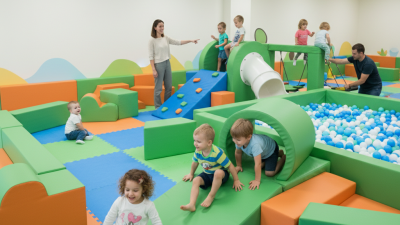
An indoor playground trampoline is a padded jumping surface designed for supervised children’s play. It may stand alone or connect with climbing frames, slides, and soft play areas. Children can jump, land, balance, and practice body control in a lively indoor setting. These movements may support coordination, leg strength, confidence, and active play habits.

The best uses depend on the child’s age, development, and comfort level. Younger children may benefit from gentle bouncing with an adult nearby. Older children can practice controlled jumps, landing with bent knees, and stopping safely. It can also support short activity breaks, rainy-day exercise, and structured group play. However, a trampoline cannot replace varied movement, outdoor activity, or individual attention. It is useful, but not a magic answer. Some children may feel nervous at first, and that response deserves respect.

Tips: Check the padding, netting, floor, and entry area before play. Follow the stated age and weight guidance. Use one child at a time when advised. Remove hard objects from pockets, and keep socks or footwear suitable for the surface. An adult should stay close, especially with younger children. Stop play when a child looks tired, dizzy, or overly excited. Small details matter. Even careful routines can be improved after observing how children actually move.