What is Modern Play Equipment and How to Choose the Best?
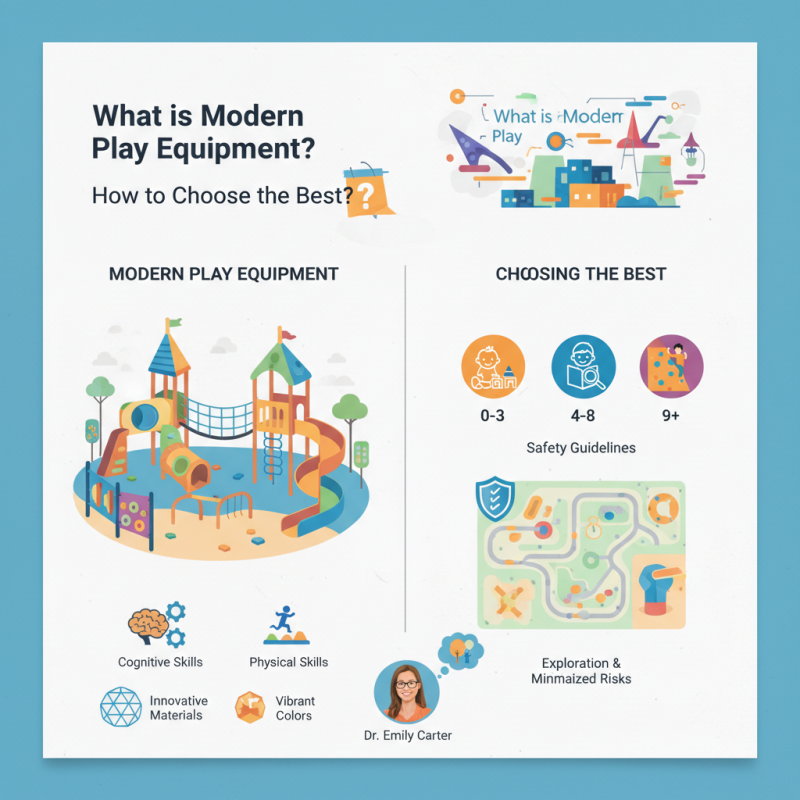
Choosing the right Modern Play Equipment is crucial for child development. Dr. Emily Carter, an expert in child psychology, emphasizes, "Play is the foundation of growth." Her insight underscores the importance of selecting equipment that promotes cognitive and physical skills.
Modern Play Equipment has evolved significantly. Today’s designs focus on safety and engagement. Manufacturers use innovative materials and vibrant colors to attract children. These elements help create an inviting space for imagination.
However, not all equipment suits every child. Parents must consider age, interest, and safety guidelines. Oversized or overly complex structures may frustrate younger kids. Pay attention to the equipment's layout to ensure it encourages exploration while minimizing risks.
What is Modern Play Equipment: An Overview
Modern play equipment encompasses a wide range of structures designed to promote physical activity and creative play. The importance of this equipment is highlighted in reports from the World Health Organization, stating that active play contributes to children’s physical and emotional development. In 2022, it was noted that only 30% of children engage in the recommended amount of daily physical activity. This underscores the need for accessible and engaging play equipment.
Choosing the best modern play equipment requires consideration of several factors. Safety is paramount, with the Consumer Product Safety Commission recommending equipment that meets specific safety standards. Notably, there has been a 35% increase in safety-related injuries from playgrounds in recent years. This indicates that parents and caregivers must be vigilant when selecting equipment. Additionally, the design should encourage inclusivity, allowing children of various abilities to play together. A survey showed that 45% of parents prioritize inclusive features in play areas.
Lastly, durability is crucial. Equipment made from weather-resistant materials tends to last longer. The National Association for Sport and Physical Education emphasizes that functional design enhances children's engagement. Yet, not all modern equipment successfully promotes this engagement. Some structures can appear visually striking but lack practical features, limiting children's play options. It’s essential to find a balance between aesthetics and functionality when selecting play equipment.
Modern Play Equipment Popularity: A Comparative Analysis
Key Features of Modern Play Equipment
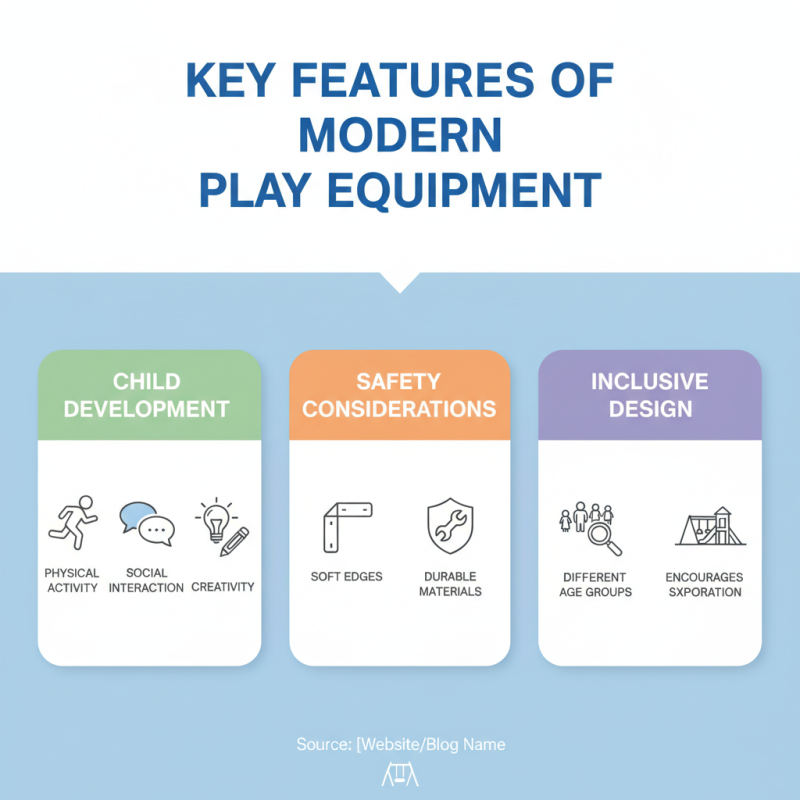
Modern play equipment plays a critical role in child development. It encourages physical activity, social interaction, and creativity. When choosing play equipment, consider safety features. Look for soft edges and durable materials. Equipment should be suitable for different age groups. This ensures safety while encouraging exploration.
Another vital aspect is flexibility. Modular designs can grow with children. Different configurations allow for various types of play. This adaptability keeps children engaged over time. Additionally, consider the space available for installation. Equipment should fit seamlessly into the environment. It should not obstruct movement or create hazards.
Don't overlook aesthetics. Bright colors and fun shapes attract children. However, practicality is essential too. The equipment should be easy to maintain. Regular inspections for wear and tear are crucial. Reflecting on usage can help identify what works best. Involving children in the selection can also enhance their connection to the equipment.
Types of Modern Play Equipment for Different Age Groups
When choosing modern play equipment, age appropriateness is key. Different age groups have unique developmental needs. For toddlers, safe materials and simple designs are essential. Equipment should encourage exploration and motor skills. According to a 2022 report by the International Playground Safety Institute, 70% of injuries come from equipment unsuitable for the child's age.
For preschoolers, the focus shifts to interactive and imaginative play. Play structures should support social interactions and cooperative play. A study by the National Recreation and Park Association highlights that children ages 3-5 benefit from multifaceted equipment, promoting both cognitive and physical activities. Large slides and climbing walls should be age-appropriate.
School-aged children require more challenging activities. They need equipment that fosters physical fitness and agility. Popular choices include obstacle courses and climbing walls. Research indicates that 80% of children aged 6-12 prefer dynamic play equipment that facilitates movement and teamwork. However, selecting the right equipment can be daunting, as safety guidelines can be unclear. Each play area should be assessed regularly to ensure it meets the evolving safety standards.
Factors to Consider When Choosing Play Equipment
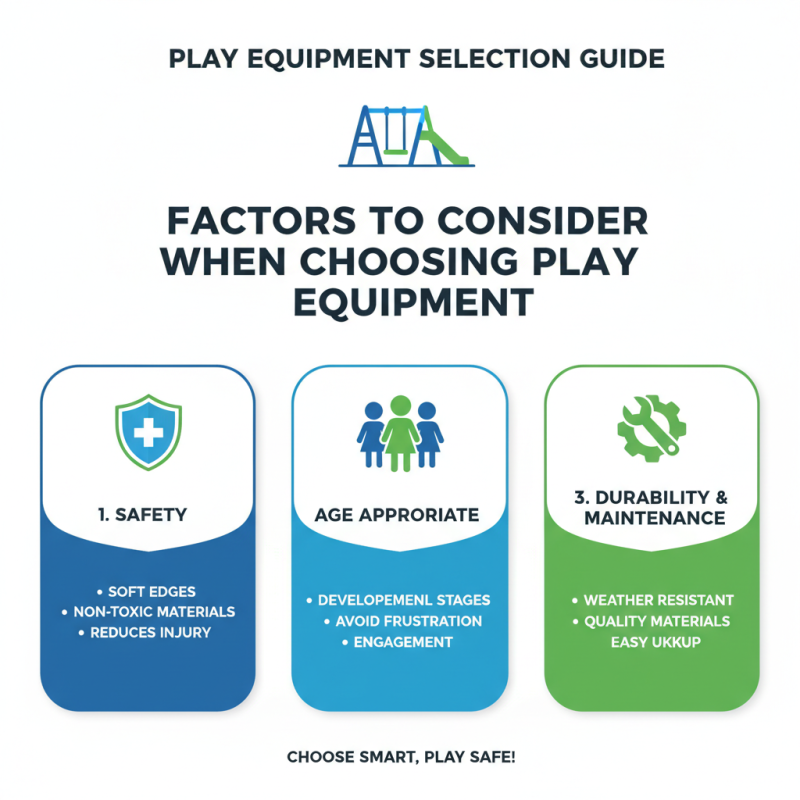
When selecting modern play equipment, several factors demand careful consideration. Safety is paramount. Look for equipment designed with soft edges and non-toxic materials. This reduces the risk of injuries during play. The age range of children also matters. Ensure the equipment suits their developmental stages. Equipment that is too challenging or too simple can lead to frustration or boredom.
Another factor is the space available. Measure your yard or playground area before making a purchase. The scale of the equipment should complement the space, allowing enough room for safe play. Additionally, consider the style and theme. Bright colors and attractive designs can engage children better. They may even spark imaginative play, which is crucial for development.
Durability is also essential. Children can be tough on their toys and play equipment. Opt for materials that withstand regular use. While cheaper options may save money initially, they often require replacements sooner. Spending wisely means considering long-term use. Lastly, think about maintenance. Some equipment requires more upkeep than others. Ease of cleaning should factor into your decision. Balancing these elements can make choosing the right play equipment a thoughtful process.
Safety Standards and Regulations for Play Equipment
When selecting modern play equipment, safety standards are paramount. The equipment must comply with regulations set by organizations that prioritize children's safety. For instance, playground surfaces should be soft enough to cushion falls. Materials used should be non-toxic. Regular inspections are essential to detect wear and tear.
It’s crucial to consider age appropriateness in the design. Equipment that poses risks needs to be evaluated carefully. Features like high slides or climbing structures can be exciting but may also lead to accidents if not suited for younger children. Think about the layout of the playground. Accessibility for children with disabilities is often overlooked but is equally important.
Monitoring new standards is vital. Regulations often change, reflecting new research on children's safety and development. Evaluating your local regulations can ensure compliance, but not all manufacturers follow these guidelines. Awareness of this can lead to informed choices. Keeping safety in mind won't eliminate all risks, but it will significantly reduce them.
What is Modern Play Equipment and How to Choose the Best? - Safety Standards and Regulations for Play Equipment
| Play Equipment Type |
Age Group |
Material |
Safety Standards |
Maintenance Requirements |
| Climbing Structures |
5-12 years |
Metal and Plastic |
ASTM F1487 |
Monthly inspections |
| Slides |
2-12 years |
Plastic |
EN 1176 |
Weekly cleaning |
| Swings |
2-12 years |
Rubber and Steel |
ASTM F1148 |
Bi-weekly checks |
| Play Panels |
3-8 years |
Wood and Plastic |
ASTM F2373 |
Monthly inspections |
| Sandpits |
0-6 years |
Plastic and Natural Sand |
EN 1176 |
Weekly replenishment |


 CONTACT NUMBER
 CONTACT NUMBER
 CONTACT NUMBER