What is an Outdoor Playground and Why is it Important?
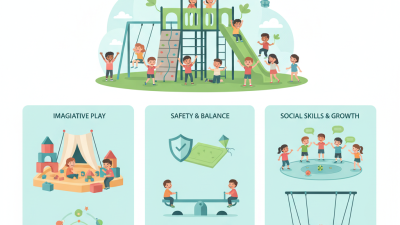
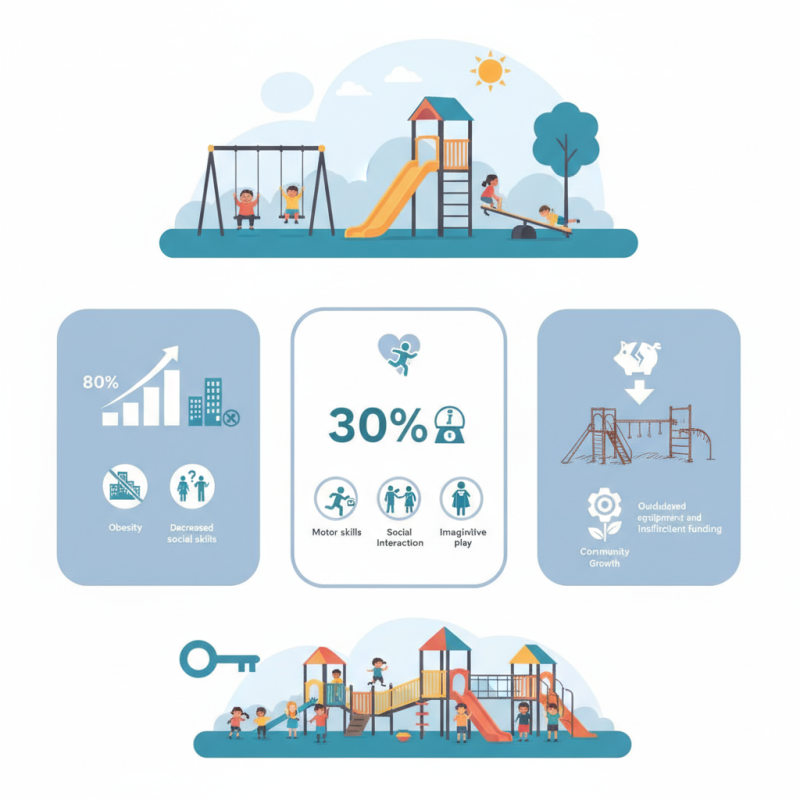
An outdoor playground is a crucial space for childhood development. Research shows that 80% of children in urban areas lack access to such facilities. This lack of play space can lead to rising obesity rates and decreased social skills. Outdoor playgrounds provide opportunities for physical activity, social interaction, and imaginative play.
Playgrounds promote a healthy lifestyle. According to the Centers for Disease Control and Prevention, children who engage in regular outdoor play are 30% more likely to maintain a healthy weight. These spaces offer more than just fun; they help develop motor skills and foster resilience. Despite the challenges of maintaining safe, accessible playgrounds, their significance cannot be overstated.
Many communities struggle with outdated equipment and insufficient funding. These obstacles hinder not only the safety but also the creativity of play. Reflecting on these shortcomings is essential for future improvement. Investing in sufficiently designed outdoor playgrounds is key to fostering healthier communities.
What Defines an Outdoor Playground: Key Features and Components
Outdoor playgrounds play a crucial role in child development. They provide spaces for children to engage in physical activity, creativity, and social interaction. According to the Centers for Disease Control and Prevention (CDC), about 1 in 5 children in the U.S. are obese. Access to outdoor play areas helps combat this issue by encouraging kids to exercise.
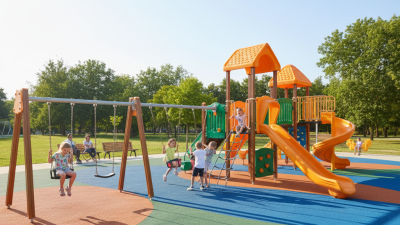
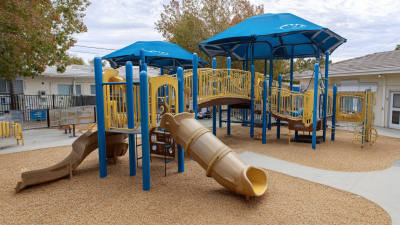
Key features of an outdoor playground include varied equipment and natural elements. Climbing structures, slides, and swings promote physical strength and coordination. Additionally, integrating greenery like trees and gardens enhances the play experience. A 2021 report from the National Recreation and Park Association highlighted that parks with diverse play elements saw a 30% increase in usage.
Safety is also paramount. One common flaw is inadequate soft surfacing, which can lead to injuries. The American Academy of Pediatrics emphasizes the need for proper padding under play structures. Engaging children in risk-taking, within reasonable limits, can foster confidence. However, playground designs must prioritize safety alongside excitement. Balancing adventure and security poses a continual challenge for designers.
Importance of Outdoor Playgrounds: Usage Statistics
The Importance of Outdoor Playgrounds for Child Development
Outdoor playgrounds play a crucial role in child development. According to the Centers for Disease Control and Prevention (CDC), nearly one in five children in the U.S. is obese. Access to outdoor play can help combat this issue. Physical activity is vital for developing strong bones and muscles. Moreover, it is linked to improved emotional health.
Research shows that outdoor play enhances cognitive skills. Children learn problem-solving through imaginative play. They navigate challenges, fostering creativity. A study published in the Journal of Environmental Psychology noted that children exposed to nature demonstrate better attention spans. Nature-based play areas are crucial for reducing stress. Yet, many urban environments lack sufficient outdoor spaces for kids.
Moreover, social skills learn through collaboration at playgrounds. Kids interact, share, and negotiate, which builds critical social foundations. Parents sometimes worry about safety, but supervised play can greatly reduce risks. Engaging in outdoor activities has numerous benefits, but access remains uneven. Many children still lack safe spaces for play. It's essential to re-evaluate community planning to prioritize outdoor innovations.
Statistics on Outdoor Play Impacting Physical Health and Well-being
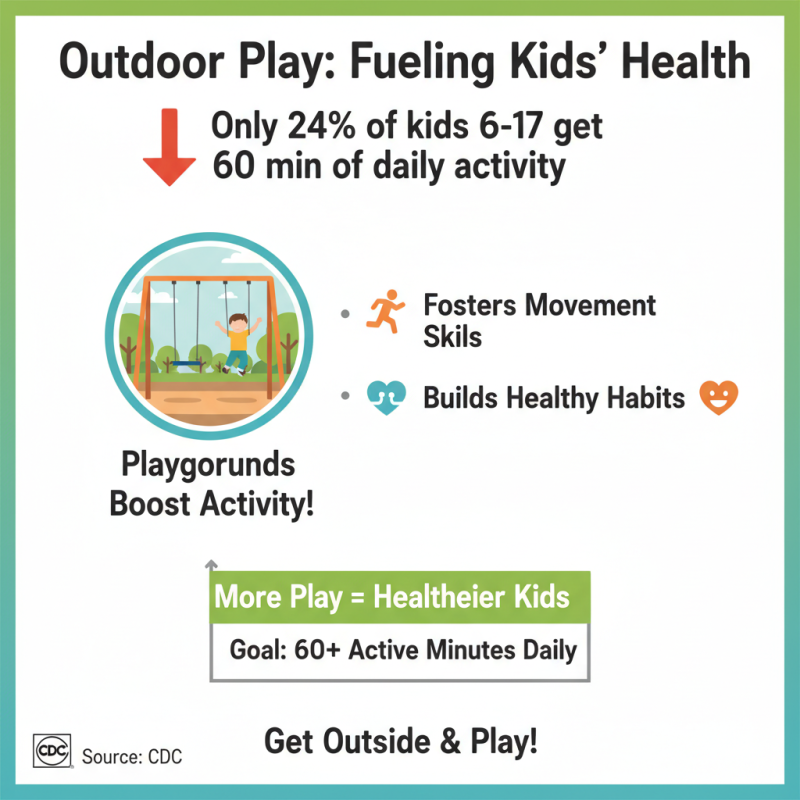
Outdoor play is crucial for children’s physical health and overall well-being. According to the Centers for Disease Control and Prevention (CDC), only about 24% of children aged 6-17 get the recommended 60 minutes of physical activity daily. One significant way to increase these numbers is by providing access to outdoor playgrounds. Playgrounds encourage active play, fostering critical movement skills and healthy habits from a young age.
Research by the National Recreation and Park Association shows that spending time outdoors can reduce symptoms of anxiety and depression in children. A study published in the American Journal of Preventive Medicine revealed that children who frequently play outside are 25% less likely to develop obesity. Furthermore, outdoor environments boost social skills as children engage with peers. The physical activity from climbing, running, and playing on various structures enhances cardiovascular health and muscle development.
While outdoor play is vital, barriers like safety concerns and lack of access remain prevalent. Many communities have limited playground facilities. This lack of resources might prevent children from reaping the benefits of outdoor play. Addressing these gaps is essential for promoting a healthier generation. Engaging local stakeholders can help create safer and more accessible play areas.
Design Considerations for Safe and Inclusive Outdoor Playgrounds
When designing outdoor playgrounds, safety is paramount. The layout should encourage exploration while minimizing risks. For example, soft ground surfaces like rubber or mulch help cushion falls. Equipment must be sturdy, with no sharp edges. Regular maintenance keeps everything in good shape. It’s crucial to inspect the playground regularly for hazards.
Inclusivity is another important consideration. Playgrounds should cater to children of all abilities. This means providing wheelchair-accessible pathways and equipment that everyone can use. Sensory elements can help children with sensory processing challenges. Colorful and textured designs engage diverse skills and interests.
Community input is vital in the design process. Families should share their needs and preferences. It’s important to listen and adapt. Not every design will suit every community. Reflection on past playgrounds can lead to better choices. A successful outdoor playground serves as a hub for social interaction and development.
What is an Outdoor Playground and Why is it Important?
| Dimension |
Description |
Importance |
| Safety Features |
Equipment should have soft edges and be made of non-toxic materials. |
Reduces risk of injuries and promotes a safe play environment. |
| Accessibility |
Playgrounds should be designed for children of all abilities. |
Ensures inclusive play opportunities for children with disabilities. |
| Variety of Equipment |
Different types of play structures and activities. |
Encourages creativity and physical activity among children. |
| Natural Elements |
Incorporation of trees, plants, and natural terrain. |
Enhances sensory experiences and promotes environmental awareness. |
| Community Engagement |
Input from local families and children in design. |
Strengthens community bonds and ensures the playground meets local needs. |
Trends in Outdoor Playgrounds: Innovations and Regional Variations
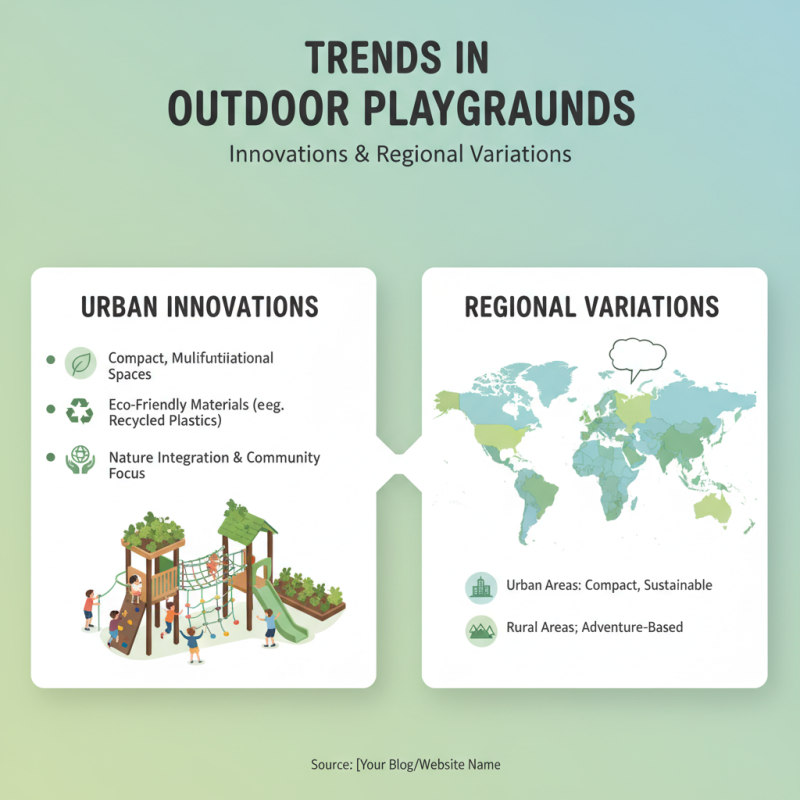
Outdoor playgrounds are evolving, showcasing diverse innovations and adaptations worldwide. In urban areas, compact designs create multifunctional spaces, integrating nature and play. These playgrounds often incorporate eco-friendly materials, promoting sustainability. Climbing structures made from recycled plastics attract the environmentally conscious, fostering a sense of community.
Regional variations enrich the design landscape. In Scandinavia, playgrounds emphasize natural elements, like logs and boulders. This approach encourages children to explore and engage with their surroundings. In contrast, warmer climates might focus on water play features, offering relief from heat and enhancing sensory experiences.
Challenges persist in the design of outdoor playgrounds. Accessibility remains a pressing issue in many regions. Some playgrounds still exclude children with disabilities, limiting their play options. Finding a balance between innovation and inclusivity is essential as communities create spaces that benefit all.


 CONTACT NUMBER
 CONTACT NUMBER
 CONTACT NUMBER